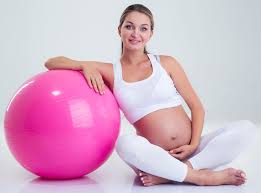
HypnoBirthing vs. Lamaze: Finding Your Calm Birth Path
It’s completely normal to feel a mix of excitement and nerves as your due date approaches. Many expectant parents want to feel prepared and in control during labor and delivery. You might have heard of different childbirth preparation methods.
Two names that often come up are HypnoBirthing and Lamaze. Both have helped countless families have positive birth experiences.
But what’s the real difference? Are they the same thing? Or are they totally different paths to a peaceful delivery?
Understanding these methods can help you pick the one that feels just right for you. It’s about finding tools and knowledge that make you feel strong and ready. This guide will break down HypnoBirthing and Lamaze for you.
We’ll look at what makes them unique and how they can help you. Our goal is to give you the clarity you need. You’ll learn what each offers.
Then you can decide which approach fits your hopes for your birth best.
HypnoBirthing focuses on deep relaxation and self-hypnosis to manage pain naturally. Lamaze uses breathing techniques, movement, and support to help labor progress and ease discomfort.
What is HypnoBirthing?
HypnoBirthing is a childbirth education method. It teaches you how to use self-hypnosis, relaxation, and breathing techniques. The main idea is to overcome fear.
Fear can cause tension. Tension can make labor more painful. HypnoBirthing helps you release this fear.
It helps you feel calm and in control. You learn to relax your body deeply. This deep relaxation helps your body work with labor, not against it.
It’s about creating a more comfortable birthing experience.
The method relies on affirmations and visualization. You practice these regularly before labor. This helps you trust your body’s natural ability to give birth.
HypnoBirthing aims for a gentle and serene birth. It sees birth as a natural, normal process. It’s not something to be feared.
Parents often report feeling more confident. They feel less need for pain medication. Many partners also play a key role.
They learn how to support the birthing person. They help keep them in a relaxed state.
The Core Philosophy of HypnoBirthing
At its heart, HypnoBirthing believes birth is natural. It’s an instinctual process. It’s something your body is made to do.
The program works to remove the fear and tension that can build up. This fear often comes from negative stories or a lack of understanding. HypnoBirthing
The philosophy is that the uterus is like other muscles. When relaxed, muscles work more efficiently. Think of how a tightly clenched fist cannot open easily.
But a relaxed hand opens smoothly. The same applies to your body during labor. By staying relaxed, your cervix can open more easily.
Your labor can progress smoothly. This calm state is achieved through specific mental techniques. These include deep breathing, visualization, and positive self-talk.
It’s about unlocking your body’s natural birthing power.
Key Techniques in HypnoBirthing
HypnoBirthing uses a few key tools. These tools help you achieve that deep state of relaxation. One major technique is deep relaxation.
You practice this often. It teaches your body to relax on command. You can use this deep relaxation during labor.
It helps your muscles release tension. It keeps you calm even when labor contractions come.
Another big part is breathing techniques. These aren’t just for coping. They are for promoting relaxation and helping your body.
You learn specific breaths. These breaths can help you stay calm and comfortable. They can also help you work with your body during different stages of labor.
You learn to breathe deeply and rhythmically. This helps oxygen flow. It helps your body stay in a calm state.
Visualization is also crucial. You imagine yourself in a peaceful place. You picture your body working perfectly.
You see yourself having a calm and easy birth. These mental images help your mind stay positive. They help it override any anxious thoughts.
You might visualize your cervix opening like a flower petal. Or you might picture waves gently washing over you. These images train your mind to associate birth with peace.
Affirmations are short, positive statements. You repeat them often. Examples include “My body is strong and capable.” Or “Labor is a natural process.” These affirmations reprogram your subconscious mind.
They
What is Lamaze?
Lamaze is another well-known childbirth method. Its focus is on making birth a positive and empowering experience. Lamaze teaches you about the labor process.
It helps you understand what your body is doing. It gives you tools to cope with labor. The goal is to help you feel in control.
You learn about different stages of labor. You learn how your body changes. This knowledge helps reduce fear.
Fear often comes from the unknown.
Lamaze classes teach specific breathing techniques. These are designed to help you manage pain. They also help you work through contractions.
You learn different types of breathing. You practice them so they become second nature. Movement and position changes are also key.
Lamaze encourages you to move during labor. Walking, swaying, and changing positions can ease discomfort. They can also help labor progress.
Your support person learns how to help you move. They learn how to encourage you.
The method emphasizes the importance of a support person. This is often a partner, friend, or family member. They are taught how to support you physically and emotionally.
They learn to be your advocate. They can help communicate with medical staff. Lamaze is practical.
It gives you concrete skills to use. It prepares you for the physical and emotional journey of labor.
The Core Philosophy of Lamaze
Lamaze’s philosophy is based on the idea that birth is a natural process. It can be a positive and even joyful experience. The method aims to build confidence.
It does this by providing knowledge and skills. Lamaze teaches that the more you know, the less you fear. Understanding labor helps you work with it.
It doesn’t become a scary unknown. You become an active participant in your birth.
A central tenet is that “fear, tension, and pain go hand in hand.” By understanding birth and learning techniques to relax and cope, you can break this cycle. Lamaze empowers you. It helps you make informed decisions.
It respects your choices. It encourages you to work with your healthcare providers. The method also highlights the importance of the birth environment.
A calm, supportive atmosphere is seen as beneficial. It supports the birthing person’s ability to cope.
Key Techniques in Lamaze
Lamaze offers several practical techniques. These are designed to help you through labor. The most famous are the Lamaze breathing techniques.
These are often called “paced breathing.” You might breathe in a pattern, like “in-in-out.” Or you might use a “hee-hee-hoo” pattern. These rhythms help distract you. They also help you conserve energy.
They ensure you get enough oxygen. This helps you stay focused and calm.
Movement and positioning are another big part. Lamaze encourages you to move around during labor. You don’t have to stay in one bed.
You can walk, sway, rock, and change positions. Positions like squatting, kneeling, or being on all fours can be very helpful. They can help with pain.
They can help your baby descend. They make labor feel more active.
Touch and massage are also incorporated. Your partner can learn specific massage techniques. These can be very soothing.
They can help release tension in your back and shoulders. A gentle touch can be comforting. It can help you feel cared for.
Hydrotherapy, like taking a warm shower or bath, is also often suggested. This can be very relaxing and pain-relieving.
Supportive environments are important. Lamaze teaches you to think about where you want to give birth. What kind of atmosphere helps you feel safe and relaxed?
Your partner is trained to be a key source of support. They learn how to offer verbal encouragement. They can help you practice your breathing.
They can remind you of your strength. They are your constant companion and advocate.
Comparing HypnoBirthing and Lamaze
So, we’ve looked at what each method is. Now, let’s put them side-by-side. How do they really stack up against each other?
Both aim for a good birth. But their paths are different.
HypnoBirthing’s main tool is deep relaxation. It’s about calming the mind. It uses self-hypnosis to get there.
It believes that if you’re not scared, your body won’t tense up. If your body isn’t tense, labor can be easier. It’s very focused on the mental state.
Lamaze, on the other hand, gives you more active tools. It’s about breathing patterns. It’s about moving your body.
It’s about using massage. It’s also about knowing a lot. Knowledge fights fear.
Both methods value a support person. But HypnoBirthing makes the partner a guide for relaxation. Lamaze makes the partner a coach and advocate.
Think of it this way: HypnoBirthing is like learning to meditate deeply. Lamaze is like learning specific exercises for a race. Both help you perform better.
But they use different approaches. HypnoBirthing aims for minimal perceived pain through deep calm. Lamaze aims for managing pain through active coping and breathing.
HypnoBirthing vs. Lamaze: At a Glance
HypnoBirthing
Focus: Deep relaxation, self-hypnosis, overcoming fear.
Goal: Natural pain relief through calm.
Key Tools: Visualization, affirmations, deep breathing.
Approach: Mind-body connection, releasing fear.
Lamaze
Focus: Education, breathing, movement, support.
Goal: Managing labor pain and progress.
Key Tools: Paced breathing, massage, position changes.
Approach: Active coping, knowledge, empowerment.
Personal Experience: The Night the Water Broke Early
I remember it clearly. I was about 36 weeks pregnant. It was a Tuesday night.
I was reading a book, feeling pretty tired. Suddenly, I felt a little pop. Then, a warm trickle.
My water had broken. It wasn’t a dramatic gush like in the movies. It was slow and steady.
My first thought wasn’t panic. It was a bit of surprise, then, “Okay, it’s happening!”
I had taken a HypnoBirthing class. We practiced relaxation every day. I had learned to trust my body.
My husband, Tom, came in. He saw my face. He didn’t see panic.
He saw a calm resolve. We followed our HypnoBirthing plan. I focused on my breathing.
I thought about my favorite peaceful beach. Tom sat with me. He whispered calming words.
He reminded me to breathe deeply. The first contractions were mild. They felt more like period cramps.
I used my relaxation techniques. I just breathed through them. It wasn’t pain.
It was my body doing its job.
Later, at the hospital, the contractions got stronger. They were intense. But my HypnoBirthing practice kicked in.
I could feel myself tensing up. I would consciously relax. I’d focus on my breath.
I’d picture waves washing over me. The nurses were a bit surprised by my calm. They asked about pain relief.
I just smiled and said I was using my techniques. Tom was amazing. He was my rock.
He guided me. He kept the room dim. He held my hand.
He whispered affirmations. By the time our baby was born, I felt so proud. It wasn’t easy, but it felt manageable.
It felt like I was in control. The deep relaxation was a game-changer.
The Role of Fear and Tension
One of the biggest differences between HypnoBirthing and Lamaze lies in how they approach fear. Both agree that fear can make labor harder. But they tackle it differently.
HypnoBirthing sees fear as the main enemy. It believes that if you can get rid of fear, you can get rid of most of the pain. They teach you to achieve a state of deep calm.
This calm state helps your body relax. It helps your muscles work smoothly. It’s like your body is on “autopilot.” It knows what to do when you’re not fighting it.
Lamaze also acknowledges fear. But it doesn’t try to eliminate it completely. Instead, it focuses on managing the tension that fear can bring.
It teaches you practical skills to cope. You learn to breathe through contractions. You learn to move your body.
These actions help you feel more in control. You’re actively doing something. This action can reduce the feeling of being overwhelmed.
So, while HypnoBirthing aims to bypass the fear response with deep relaxation, Lamaze teaches you to work through the fear and its effects with learned techniques and knowledge.
How Fear Affects Labor
The Fear-Tension-Pain Cycle:
- Fear: The unknown, negative stories, feeling helpless.
- Tension: Your body tightens up. Muscles become stiff.
- Pain: Tense muscles can hurt more. Labor can feel harder. Your body may work against itself.
Breaking the Cycle:
- Knowledge: Understanding birth helps reduce fear.
- Relaxation: Deep calm releases muscle tension.
- Coping Skills: Breathing and movement help manage discomfort.
Pain Management Strategies
When we talk about birth, pain is often a big topic. Both HypnoBirthing and Lamaze offer ways to manage it. But their strategies are distinct.
HypnoBirthing’s approach to pain is through redefinition and relaxation. It teaches that what you feel during labor isn’t “pain” in the usual sense. It’s more like intense pressure or a powerful squeezing sensation.
By staying deeply relaxed, your body can process these sensations without the added layer of fear-induced pain. The goal is to reduce the perception of pain. You do this by calming your mind and body.
This makes labor feel more like a strong, powerful, natural process. It’s less about enduring pain and more about moving through powerful sensations with ease.
Lamaze uses active coping strategies. It doesn’t necessarily redefine pain. Instead, it gives you tools to work with the sensations.
The paced breathing helps distract you. It helps you focus on a rhythm. This takes your mind off the intensity for a moment.
Movement helps you find positions that relieve pressure. Massage can soothe sore muscles. Hydrotherapy offers comfort.
Lamaze aims to make the sensations manageable. It helps you feel like you’re doing something to cope. You’re actively participating in managing the discomfort.
This sense of agency is empowering.
Pain Management: A Quick Look
HypnoBirthing:
- Focus: Redefine sensation, deep relaxation, calm mind.
- Goal: Reduce perception of pain.
- Method: Self-hypnosis, visualization, affirmations.
Lamaze:
- Focus: Active coping, distraction, physical comfort.
- Goal: Manage and endure labor sensations.
- Method: Paced breathing, movement, massage, hydrotherapy.
What This Means for You
So, what’s the takeaway? Which method is “better”? The truth is, neither is definitively better than the other.
They are just different. The “best” method is the one that feels right for you and your partner. It’s about finding tools that resonate with your personality and your hopes for birth.
If you tend to overthink things or feel easily stressed, HypnoBirthing might be appealing. Its focus on deep mental calm could be very helpful. It’s great if you want to feel a profound sense of peace.
You might also prefer HypnoBirthing if you are interested in exploring self-hypnosis. You want to tap into your body’s natural abilities. You want to feel in harmony with your labor.
If you are a practical person who likes having concrete steps, Lamaze might be a better fit. Its techniques are very actionable. You learn specific breathing patterns and movements.
You get a clear playbook for labor. It’s good if you want to feel like you are actively doing things. You want to feel prepared with a toolkit.
You want to understand the process step-by-step. You also value the strong emphasis on education and informed choice.
Many people also find that they can blend elements from both. You might take a Lamaze class to get the practical knowledge and breathing techniques. Then, you might supplement that with HypnoBirthing relaxation exercises and affirmations.
The goal is always to have a positive birth experience. It’s about feeling empowered, respected, and ready.
Think about your personality. Do you lean towards mental calm or active coping? What are your partner’s strengths?
How do they best support you? Discussing these questions can help you narrow down your choices. It’s an exciting journey of preparation.
Quick Fixes & Tips
While neither HypnoBirthing nor Lamaze offers “quick fixes,” they provide valuable preparation. Here are some general tips that align with the goals of both methods.
Educate Yourself: Read books. Attend classes. The more you understand birth, the less scary it becomes.
Knowledge is your first tool.
Practice Regularly: Whatever method you choose, practice the techniques. Deep relaxation needs to be a habit. Breathing exercises should feel natural.
Consistent practice makes them effective when you need them most.
Involve Your Partner: Your support person is vital. Make sure they understand the methods you choose. They need to know how to help you.
Their active participation is key.
Trust Your Body: Your body is designed to give birth. Try to trust its process. Remind yourself of your body’s strength.
This belief can make a big difference.
Stay Flexible: Birth can be unpredictable. Have a plan, but be prepared to adapt. The goal is a healthy mom and baby.
Sometimes, plans need to change. That’s okay.
Build a Supportive Environment: Think about where you want to give birth. What atmosphere makes you feel safe? Discuss your preferences with your care provider.
Surround yourself with positive, supportive people.
Frequent Questions
Is HypnoBirthing suitable for first-time mothers?
Yes, HypnoBirthing is very suitable for first-time mothers. In fact, it can be especially beneficial as it helps to alleviate common first-time parent anxieties about the unknown. By learning relaxation and breathing techniques, new mothers can build confidence in their body’s ability to birth.
Can I use both HypnoBirthing and Lamaze techniques?
Absolutely! Many parents find great benefit in combining elements from different methods. You could learn the practical breathing and movement techniques from Lamaze and also incorporate the deep relaxation and visualization practices from HypnoBirthing.
The goal is to find what works best for you.
Does HypnoBirthing mean I won’t feel any pain?
HypnoBirthing aims to manage and minimize the perception of pain. It teaches you that the sensations of labor are different from what we typically consider “pain.” Through deep relaxation, the body is less likely to tense up, which can reduce discomfort. While some sensation is normal, HypnoBirthing helps you experience it differently and with less distress.
How does Lamaze prepare partners?
Lamaze classes provide specific training for partners. They learn how to offer physical support, such as massage and counter-pressure. They also learn how to provide emotional encouragement, help with breathing techniques, and act as an advocate for the birthing person with medical staff.
Partners become active and informed members of the birth team.
Is HypnoBirthing about being hypnotized by someone else?
No, HypnoBirthing primarily focuses on self-hypnosis. You are taught techniques to enter a relaxed, trance-like state on your own. You remain aware and in control throughout the process.
It’s more about deep relaxation and focused attention than being controlled by another person.
What if labor doesn’t go as planned after using Lamaze or HypnoBirthing?
Both methods prepare you for the possibility that birth plans may need to change. Lamaze emphasizes informed choice and working with your medical team. HypnoBirthing teaches you to remain calm and adaptable.
The skills learned, such as deep breathing and staying present, are still valuable even if interventions are needed.
Which method is better for reducing the need for interventions like epidurals?
Both methods aim to help you cope with labor naturally. By reducing fear and tension, and teaching effective coping mechanisms, both HypnoBirthing and Lamaze can empower you to have a birth with fewer interventions. However, individual experiences vary greatly based on many factors, including the birth provider, the hospital environment, and individual labor progression.
Conclusion
Choosing how to prepare for birth is a big step. HypnoBirthing and Lamaze offer wonderful paths. HypnoBirthing focuses on deep relaxation and mental calm.
Lamaze provides practical tools and education. Both aim for a positive, empowering birth. Your journey is unique.
Find the method that speaks to you. Trust your instincts. You’ve got this.