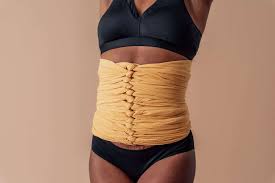
Postpartum belly binding is a practice using wraps or binders to support the abdomen after childbirth. It aims to help the body recover, reduce swelling, and provide comfort. This guide explores its benefits, methods, and safety considerations for new mothers.
Understanding Postpartum Belly Binding
Postpartum belly binding is a tradition found in many cultures. It involves wrapping the abdomen snugly after birth. This is often done with long pieces of cloth.
Modern versions use belly bands or corsets. The goal is to help the abdominal muscles and skin retract. It can also offer support for your back.
The core idea is that after pregnancy, your abdominal muscles have stretched. Your uterus also needs to shrink back to its original size. Binding can help gently guide these changes.
It can also make you feel more secure as you move around. Think of it as a gentle hug for your belly.
Many mothers find it helps them feel more put together. This is especially true in the early weeks. It can also make movements like standing up easier.
Your body is still healing. This support can be very comforting during that time. It’s a way to give yourself a little extra care.
My Own Postpartum Belly Binding Journey
I remember my own postpartum period vividly. After my first baby, I felt so… soft. Everything seemed a little loose.
Standing up from my bed felt like a major effort. I was also constantly worried about my C-section incision. It was tender and I felt very vulnerable there.
My mom mentioned belly binding, like her mother used to do.
At first, I was hesitant. It looked complicated. Would it be too tight?
Would it actually do anything? I pictured myself fumbling with a giant piece of fabric. But I was desperate for some kind of support.
I decided to try a simple belly band. It was like a wide, stretchy wrap. The first time I put it on, I felt an instant sense of relief.
It was a gentle pressure. It helped me feel like my insides were held in place.
It made a surprising difference in my day-to-day. Walking felt more stable. Even just sitting up straight felt better.
It wasn’t a magic cure, of course. But it gave me a feeling of control and comfort. It was a small thing that made a big difference in how I felt physically.
I realized it wasn’t just about appearance; it was about feeling supported as my body healed.
What is the Purpose of Belly Binding?
Belly binding serves several potential purposes for new mothers.
- Support Abdominal Muscles: Helps to support the weakened abdominal muscles after pregnancy.
- Reduce Swelling: Gentle pressure may help reduce fluid retention in the abdomen.
- Uterus Shrinkage: Some believe it aids the uterus in returning to its pre-pregnancy size.
- Posture Improvement: Can offer support for better posture and back comfort.
- Comfort and Security: Provides a feeling of stability and security.
The Science and Tradition Behind It
Belly binding has roots in many cultures. Think of the “faja” in Latin America or the “mvenuti” in Africa. These traditions have been passed down for generations.
They are based on generations of experience. While modern medicine might focus on different aspects of recovery, these practices offer a complementary approach.
The idea of compression has been used for injuries. It helps reduce swelling. It also provides support.
The same principle is applied here. When you’re pregnant, your abdominal muscles stretch. This is especially true for the rectus abdominis muscles.
They can separate, a condition called diastasis recti. Binding may offer some help in bringing them back together.
It’s important to note that binding is not a cure for diastasis recti. However, it can be a supportive tool. It’s often recommended alongside specific exercises.
These exercises focus on strengthening the core. The gentle pressure might also help with posture. This can relieve back pain that many new moms experience.
The tradition also plays a role in the mental aspect of recovery. It’s a ritual. It signals a transition from pregnancy to motherhood.
This can be very grounding. It’s a way to care for yourself during a challenging time. The act of wrapping can be mindful.
It connects you to your body’s healing process.
Different Types of Postpartum Belly Wraps
Not all belly binders are the same. You have a few choices. Each has its own way of working.
Understanding these differences can help you pick the best one for you.
Traditional Cloth Wraps: These are long strips of fabric, often cotton or linen. They can be several yards long. You wrap them around your waist and abdomen.
This requires some practice to get right. It offers very customizable pressure. You can adjust it exactly where you need it.
These are common in many traditional cultures.
Belly Bands: These are wide, elastic bands. They often close with Velcro. They are much easier to put on yourself.
You can adjust the tightness easily. They provide moderate support. They are a popular choice for their simplicity.
They are also discreet under clothing.
Postpartum Corsets or Cincher: These are more structured. They often have boning. They offer firm compression.
They can be very effective for support. However, they can be less comfortable for extended wear. They might also be more noticeable under clothes.
It’s important to ensure they aren’t too restrictive.
High-Waisted Binders: Some binders go higher up on your torso. They can offer support to your rib cage as well. This can be helpful if you feel discomfort or instability there.
They often cover a larger area.
When choosing, think about your comfort level. Also consider how much support you need. Your stage of recovery is important too.
For the first few weeks, gentler support might be best. As you heal, you might want firmer compression.
Choosing Your Wrap Style
Consider these points when selecting a wrap:
- Ease of Use: How easy is it to put on yourself?
- Adjustability: Can you control the tightness?
- Comfort: Will it be comfortable for long periods?
- Support Level: Do you need light, medium, or firm support?
- Material: Breathable fabrics like cotton are best.
How to Use Postpartum Belly Binding Safely
Safety is the most important part. You don’t want to cause more harm. There are some key guidelines to follow.
These ensure you get the benefits without the risks.
Timing is Key: You can usually start binding soon after birth. This might be the same day, especially for vaginal births. For C-sections, wait until your doctor or midwife says it’s okay.
They will check your incision first. Always follow their advice.
Gentle Pressure: The wrap should be snug but not painful. You should be able to breathe comfortably. It shouldn’t restrict your circulation.
If you feel numbness, tingling, or pain, loosen it immediately. It’s support, not a vice.
Duration: You don’t need to wear it all the time. Many women wear it for a few hours a day. Some wear it for longer periods in the early weeks.
Listen to your body. Take breaks. You can wear it while you’re up and about.
Remove it for sleeping. Continuous binding can weaken your core muscles over time.
Proper Application: If using a cloth wrap, learn the correct technique. There are many tutorials online. For bands and corsets, follow the product instructions.
Ensure it’s smooth and not bunched up. This avoids pressure points.
Hygiene: Keep your wrap clean. Wash it regularly. This prevents skin irritation and infection.
Make sure your skin is clean before applying the wrap.
Listen to Your Body: This cannot be stressed enough. If something feels wrong, stop. Your body is recovering from a major event.
Be kind to it. If you have any concerns, talk to your healthcare provider. They can offer personalized advice.
Remember, binding is a tool. It’s meant to help, not harm. If you have specific medical conditions, consult your doctor.
This includes issues like high blood pressure or circulation problems.
Benefits of Belly Binding Explained
So, why do so many women choose to bind their belly? The benefits can be quite significant for some.
Reduced Swelling: After birth, your body retains fluids. This can lead to swelling, especially in the abdomen. The gentle compression from binding can help move this fluid.
It can encourage your body to reabsorb it or excrete it more effectively.
Uterus Support: Your uterus has expanded massively during pregnancy. It needs to contract and shrink back down. Binding can provide a sense of support to your uterus.
This might help with after-pains, too. These are contractions that happen as the uterus shrinks.
Improved Posture and Reduced Back Pain: Pregnancy shifts your center of gravity. Your posture changes. After birth, your core muscles are weak.
This can lead to back pain. Belly binding offers external support. This can help you maintain better posture.
It can take some pressure off your back. This makes moving around, standing, and sitting more comfortable.
Feeling of Security: This is a big one for many moms. Your abdomen feels different after birth. It can feel loose or vulnerable.
The gentle pressure of a binder can create a feeling of security. It’s like a comforting hug. This can boost confidence as you navigate motherhood.
Diastasis Recti Support: While not a cure, binding can help support the abdominal wall. It can keep the separated muscles closer together. This may aid in the healing process.
It’s often used alongside specific exercises designed to close the gap.
Faster Return to Pre-Pregnancy Shape (Potentially): By supporting the muscles and skin, some believe binding helps them regain tone. It encourages retraction. This might contribute to a quicker return to your pre-pregnancy shape.
However, this varies greatly from person to person.
It’s important to be realistic. Belly binding is a supportive measure. It works best when combined with good nutrition, rest, and appropriate exercise.
It’s not a substitute for medical care or a healthy lifestyle.
Quick Scan: Key Benefits
| Benefit | Description |
|---|---|
| Swelling Reduction | Helps fluid move, easing abdominal puffiness. |
| Uterine Support | Aids the shrinking uterus and may ease after-pains. |
| Posture Help | Supports the core, reducing back strain. |
| Comfort & Security | Provides a comforting, stable feeling. |
| Diastasis Recti Aid | Supports separated muscles. |
Potential Downsides and Things to Watch For
While belly binding offers many benefits, it’s not without potential drawbacks. Being aware of these can help you avoid problems.
Discomfort or Pain: If the wrap is too tight, it can cause significant discomfort. It can even lead to pain. This is a sign you need to loosen or remove it.
Skin Irritation: Some materials can irritate sensitive skin. Sweat can also build up under the wrap. This can lead to rashes or itching.
Choosing breathable fabrics and maintaining hygiene helps.
Weakening Core Muscles: Relying too heavily on external support can prevent your own muscles from working. Over time, this could potentially weaken your core. This is why short durations and breaks are important.
It should complement, not replace, your own muscle function.
Digestive Issues: Very tight binding can put pressure on your digestive system. This might lead to heartburn or bloating for some individuals. Listen to your body’s signals.
Circulation Problems: If the wrap is too tight, it can restrict blood flow. This is dangerous. Always ensure you can breathe deeply and don’t feel numbness or tingling.
Masking More Serious Issues: In rare cases, binding might mask symptoms of a more serious medical condition. For instance, if you have severe abdominal pain, binding might offer temporary relief, but the underlying cause needs medical attention.
Always discuss any concerns with your doctor or midwife. They can help you understand if belly binding is appropriate for your specific situation. Your health and recovery are the top priorities.
Potential Risks to Be Aware Of
Risk | What to Do
|
Pain/Discomfort | Loosen or remove the wrap. Skin Irritation | Wash regularly, use breathable fabrics, take breaks. Muscle Weakness | Wear for limited times, don’t rely on it solely.
Digestive Issues | Loosen pressure, take breaks, consult doctor if persistent. Circulation Issues | Stop use immediately if numbness/tingling occurs.
When Can You Start Belly Binding?
The timing for starting postpartum belly binding is a common question.
It really depends on how you gave birth.
Vaginal Birth: For many women who have a vaginal birth, you can start belly binding quite soon after delivery. Some mothers begin within hours of giving birth. If you feel up to it and comfortable, you can try it.
The key is to start gently. Your body has just gone through a lot.
Cesarean Birth (C-Section): If you had a C-section, you need to be more cautious. Your incision is a surgical wound. It needs time to heal.
You must wait until your healthcare provider gives you the go-ahead. This is usually after they have checked your incision site. They will tell you when it’s safe to apply pressure to the area.
Some binders are designed to be C-section friendly, with softer materials or special placement.
General Guideline: Always consult with your doctor, midwife, or doula before starting. They know your specific health situation. They can give you personalized advice.
They can also show you the safest way to apply a wrap, especially if you’re using a traditional cloth method.
The first few days postpartum are crucial for rest. Don’t feel pressured to bind immediately. When you feel ready and have received medical clearance, you can begin.
Starting Point: Birth Type
- Vaginal Birth: Often possible within hours, with doctor’s approval.
- Cesarean Birth: Requires doctor’s explicit clearance, usually days or weeks later.
How Long Should You Bind For?
The duration of belly binding is another important factor. There’s no single answer that fits everyone. Your personal comfort and recovery pace matter most.
Early Weeks (First 2-6 Weeks): Many mothers choose to bind more frequently during this time. The postpartum period is when your body is doing the most significant healing. Binding can offer substantial support.
You might wear it for several hours each day. Some people wear it for a good portion of the day, from morning until evening.
Later Weeks (6 Weeks Onwards): As your body gets stronger, you might need binding less. You might use it only when you feel you need extra support. This could be during activities that require more physical effort.
Or perhaps on days when your back feels achy.
Listen to Your Body: This is the golden rule. If you feel comfortable wearing it for 8 hours, that’s fine. If 2 hours is all you can manage, that’s okay too.
Some women bind for 10 days, others for several months. There’s no set timeline you must follow.
Avoid All-Day, Every Day Use: It’s generally not recommended to wear a binder 24/7. Your abdominal muscles need to work. They need to be strengthened.
Constant binding can hinder this natural process. Make sure you take breaks. Absolutely remove the binder for sleep.
Consider your daily activities. If you’re out and about, running errands, or doing light chores, binding might be helpful. If you’re resting at home, you can likely skip it.
How to Apply a Traditional Cloth Wrap (Step-by-Step)
Applying a traditional cloth wrap can seem daunting, but it’s quite simple once you get the hang of it. These are often long pieces of stretchy, durable fabric.
Step 1: Gather Your Supplies. You’ll need a long piece of fabric. It should be about 4-6 yards long and 6-8 inches wide. Cotton or a cotton blend works well.
Make sure it’s clean.
Step 2: Find a Comfortable Position. Lie down on your back. Bend your knees. This flattens your abdominal area.
This makes wrapping easier and more effective.
Step 3: Position the Fabric. Place the center of the fabric at the bottom of your belly, near your hip bones. You want the ends of the fabric to hang over your sides.
Step 4: Bring Ends Up and Over. Take both ends of the fabric. Bring them up and over your belly. Cross them over your abdomen.
You want to create a snug but comfortable wrap. Think of it like a figure-eight pattern.
Step 5: Wrap and Tuck. Continue wrapping the fabric around your torso. Bring the ends around to your back, then bring them back to the front. You can overlap the fabric as you go.
Make sure to keep the tension even. You want to support your entire abdomen and lower back.
Step 6: Secure the Wrap. Once you’ve used most of the fabric, tuck the ends securely. You can tuck them under the layers of the wrap. Ensure they won’t unravel.
The wrap should feel snug. It should not be painful. You should still be able to breathe deeply.
Practice Makes Perfect: The first few times might feel awkward. Don’t get discouraged. With practice, you’ll become much faster and more efficient.
You’ll learn exactly how much tension feels right for you.
Traditional Wrap Basics
- Material: Long, stretchy fabric (4-6 yards).
- Position: Lie down, knees bent.
- Start: Center of fabric at lower abdomen.
- Wrap: Cross ends over, then wrap around torso.
- Secure: Tuck ends firmly.
- Feel: Snug, supportive, comfortable breathing.
What to Look for in a Postpartum Belly Band
If you prefer the convenience of a belly band, choosing the right one is key. Here’s what to consider:
Material: Look for soft, breathable materials. Cotton or bamboo blends are great. They prevent overheating and irritation.
Avoid stiff or scratchy fabrics.
Width: A wider band offers more coverage and support. Bands that are 8-12 inches wide are common. They cover your entire abdominal area and can extend up to your rib cage.
Adjustability: Velcro closures are excellent. They allow you to adjust the tightness throughout the day. This is important as your swelling changes.
Make sure the Velcro is strong but not overly abrasive.
Fit: Measure your waist and hips before purchasing. Most brands provide a sizing chart. Ensure it’s not too tight or too loose.
It should offer gentle compression, not restrict movement.
Support Level: Some bands offer very light support, while others are more firm. Decide what feels best for you. Start with a medium-support band if you’re unsure.
Seamless Design: A seamless band is less likely to show under clothing. It also reduces the chance of uncomfortable seams digging into your skin.
Ease of Use: Can you put it on and take it off easily, even when you’re tired? This is a practical consideration for new moms.
Consider reading reviews from other new mothers. They can offer real-world insights into how well a band performs.
When Binding Might Not Be Recommended
While belly binding is popular, it’s not for everyone. There are certain situations where it’s best to avoid it, or at least proceed with extreme caution.
During Pregnancy: Do not bind your belly during pregnancy. This can restrict your baby’s movement and affect your circulation. Binding is strictly for the postpartum period.
Severe Diastasis Recti: If you have a very severe separation of your abdominal muscles, binding alone might not be enough. You need a comprehensive rehabilitation program. Binding could potentially worsen certain types of severe separation if not done correctly.
Circulatory Issues: If you have pre-existing conditions that affect your circulation, binding might be risky. Always check with your doctor.
High Blood Pressure: Increased pressure on the abdomen can sometimes affect blood pressure. If you have high blood pressure, consult your doctor.
Skin Conditions: If you have open wounds, infections, or severe skin irritation on your abdomen, wait until it heals. Binding could make these conditions worse.
Kidney or Bladder Issues: Very tight binding could put pressure on these organs. If you have concerns, discuss them with your healthcare provider.
Discomfort or Pain: If you experience any pain, numbness, or significant discomfort, stop binding immediately. Your body is telling you something is wrong.
Always prioritize your health and safety. If you have any doubts, speak to a medical professional. They are there to guide you.
Integrating Belly Binding with Core Recovery Exercises
Belly binding is most effective when it’s part of a broader recovery plan. It works best when combined with specific exercises. These exercises help rebuild your core strength.
Diastasis Recti Exercises: Many women experience diastasis recti. This is the separation of the abdominal muscles. Gentle exercises focus on the deep core muscles.
These include the transverse abdominis. Binding can help support these muscles as you begin to exercise. It helps create a stable foundation.
Pelvic Floor Exercises: Your pelvic floor muscles also take a beating during pregnancy and birth. Strengthening these is crucial. Binding can indirectly help by improving posture, which puts less strain on the pelvic floor.
Proper Form is Key: Always ensure you are doing exercises correctly. Incorrect form can be ineffective or even harmful. Consider working with a physical therapist or a specialized postpartum fitness instructor.
They can create a tailored program for you.
Gradual Progression: Start with very gentle movements. As your strength improves, you can progress to more challenging exercises. Binding can provide that extra bit of confidence and stability as you push your limits.
Listen to Your Body: Never push through pain. If an exercise causes discomfort, stop. Modify it or choose a different one.
Binding can help you feel more supported during these movements. But it doesn’t mean you should ignore your body’s signals.
By combining belly binding with targeted exercises, you create a powerful approach to postpartum recovery. You are actively helping your body heal and regain its strength.
Belly Binding & Core Strength
Synergy: Binding provides support, allowing gentle exercises to be more effective.
Focus: Aids in rebuilding deep core muscles (transverse abdominis).
Pelvic Floor: Indirectly supports pelvic floor health via improved posture.
Guidance: Essential to work with professionals for safe exercise routines.
Caution: Always stop if you feel pain. Binding is a tool, not a replacement for exercise.
Addressing Common Myths About Belly Binding
There are many beliefs about belly binding that aren’t quite true. Let’s clear up some common myths.
Myth 1: Belly binding will make you lose weight.
Reality: Belly binding does not burn fat or cause weight loss. It’s about support and muscle retraction. While it might reduce swelling, leading to a temporarily slimmer appearance, it’s not a weight loss tool.
Myth 2: You have to bind for months to see results.
Reality: The duration varies. Many women find benefits in the first few weeks. Some continue for a couple of months.
It depends on your personal recovery and comfort. There’s no strict rule.
Myth 3: It’s only for aesthetic reasons.
Reality: While some find it helps them feel better about their post-baby body, the primary benefits are physical support, swelling reduction, and comfort. It’s about healing and well-being.
Myth 4: It’s harmful and dangerous.
Reality: When done correctly and safely, belly binding is generally safe. The risks come from improper use, such as binding too tightly or for too long. Always follow safety guidelines.
Myth 5: It’s a quick fix for diastasis recti.
Reality: Binding can be a helpful tool to support healing for diastasis recti. However, it is not a cure on its own. A comprehensive exercise program is crucial.
Understanding the facts helps you make an informed decision. It ensures you use belly binding effectively and safely.
FAQs About Postpartum Belly Binding
When is the best time to start postpartum belly binding?
For vaginal births, you can often start within hours after delivery, provided you feel comfortable and have no complications. For C-section births, you must wait until your doctor or midwife clears you, which is typically after your incision has begun to heal. Always get medical approval first.
How long should I wear a postpartum belly binder each day?
There’s no strict rule. Many women wear it for a few hours a day, especially during the first 2-6 weeks postpartum. It’s important to take breaks and not wear it continuously for very long periods, especially not while sleeping.
Listen to your body and remove it if you feel discomfort.
Can belly binding help with diastasis recti?
Yes, belly binding can be a supportive tool for diastasis recti. It helps to gently bring the separated abdominal muscles closer together, providing a stable environment for them to heal. However, it’s not a standalone cure.
It should be used in conjunction with specific core-strengthening exercises recommended by a healthcare professional.
What are the risks of belly binding too tightly?
Binding too tightly can restrict circulation, cause pain, numbness, or tingling. It may also lead to digestive issues like heartburn or bloating, and can potentially weaken your abdominal muscles over time if worn constantly. Always ensure the binder is snug but comfortable enough to breathe deeply.
What type of belly wrap is best: a cloth wrap or a band?
Both have pros and cons. Traditional cloth wraps offer customizable pressure and are very traditional. Belly bands are easier to put on yourself and offer adjustable support.
The “best” type depends on your personal preference, the level of support you need, and how easy you find it to use.
Will belly binding help me lose my baby weight?
No, belly binding does not cause weight loss. It can help reduce swelling and support your abdominal muscles as they regain tone. This might give a temporary appearance of a slimmer waistline, but it does not affect body fat or overall weight.
Can I wear my belly binder while exercising postpartum?
Yes, wearing a belly binder can provide extra support during gentle postpartum exercises, especially if you are working on core recovery. However, always ensure your doctor or physical therapist approves of your exercise routine. The binder should complement your exercise, not replace the need for proper form and muscle engagement.
Conclusion: Supporting Your Postpartum Recovery
Postpartum belly binding is a practice with deep historical roots. It offers potential benefits for new mothers. These include support, comfort, and aid in reducing swelling.
It can be a valuable tool. It helps you feel more secure. It can also aid in your physical recovery.
Remember to prioritize safety. Choose the right type of binder for you. Use it according to recommended guidelines.
Always listen to your body. Combining binding with proper rest and exercises is key. This approach supports your body’s natural healing process.
It helps you navigate the incredible journey of motherhood with more comfort and confidence.