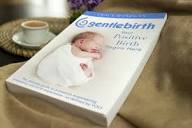
gentle birth meaning benefits
Gentle birth meaning benefits describe the many physical, emotional, and psychological advantages that both mother and baby experience when childbirth is handled with minimal medical intervention and a deep respect for the natural process. This approach encourages a calm, connected, and empowering experience, backed by research demonstrating better postpartum recovery and stronger early bonding.
Why gentle birth meaning benefits Matter in 2026
By 2026, more parents-to-be are searching for childbirth options that prioritize their well-being, autonomy, and emotional connection with their newborns. This shift has made understanding the gentle birth meaning benefits more important than ever. Healthcare providers are increasingly embracing holistic, respectful care, making gentle birth a sought-after alternative to highly medicalized deliveries. For example, many families now choose birthing centers or home births to avoid unnecessary interventions and create a peaceful environment during labor. According to recent studies from the World Health Organization and the American College of Obstetricians and Gynecologists, gentle birth practices are linked to fewer cesarean sections and healthier newborn outcomes. Expectant parents who understand these benefits feel more confident making informed choices, leading to memorable and positive birth experiences. This aligns perfectly with the goals outlined in the Complete Guide to Gentle & Natural Birth Preparation, designed to empower parents through education and gentle techniques.
Understanding Gentle Birth: Core Meaning and Benefits
The heart of gentle birth meaning benefits lies in fostering a birth environment that honors the body’s natural labor process while avoiding unnecessary medical interventions. Gentle birth often includes practices like delayed cord clamping, immediate skin-to-skin contact, and letting labor progress naturally without rushing. Techniques such as water immersion, hypnobirthing, and continuous support from a doula or partner frequently accompany this approach.
What Is Gentle Birth?
Gentle birth is less about a strict set of rules and more about a philosophy that puts the comfort, safety, and emotional well-being of mother and baby front and center. Unlike more traditional hospital births, gentle birth encourages a natural rhythm of labor, gentle handling of the newborn, and reduces sensory stressors like harsh lighting or loud noises. Whether in a hospital, birthing center, or at home, this approach adapts to the mother’s preferences and medical needs.
Key Benefits for Mother and Baby
- Reduced Intervention Rates: Research, such as a 2025 report from the Journal of Midwifery & Women’s Health, shows gentle birth reduces the need for cesarean sections, forceps, and epidurals, leading to safer outcomes.
- Improved Emotional Well-Being: Mothers who experience gentle birth often feel more in control and less traumatized, which supports better postpartum mental health.
- Enhanced Bonding and Breastfeeding: Immediate skin-to-skin contact and delayed cord clamping help regulate newborn temperature and encourage breastfeeding, following updated WHO guidelines from 2025.
- Better Neonatal Outcomes: Babies born gently tend to have higher Apgar scores and face fewer admissions to neonatal intensive care units (NICUs).
These factors work together to make the transition into the world smoother and more natural for both mother and infant.
How to Prepare for a Gentle Birth: A Step-by-Step Guide
- Educate Yourself About Gentle Birth Principles: Start with trusted resources like the Complete Guide to Gentle & Natural Birth Preparation. Understanding how labor works and what gentle birth entails helps you make informed decisions.
- Choose the Right Care Provider and Birth Setting: Look for midwives or obstetricians experienced in gentle birth. Early discussions about your birth preferences can make a huge difference.
- Practice Relaxation and Coping Techniques: Breathing exercises, hypnobirthing, prenatal yoga, and water immersion are great ways to prepare your body and mind for a calm labor.
- Create a Birth Plan Focused on Gentle Birth: Clearly outline your wishes—like delayed cord clamping and immediate skin-to-skin contact—and share this with your birth team.
- Prepare Your Birth Space: Whether at home or in a hospital, set up a soothing environment with dim lighting, birthing balls, essential oils, and calming music to help you stay relaxed.
Specific Tips and Best Practices from Experts
- Advocate for Delayed Cord Clamping: Experts recommend waiting 1–3 minutes before clamping the cord to boost the baby’s iron levels and reduce anemia risk (American Academy of Pediatrics, 2025).
- Utilize Continuous Labor Support: Having a doula or trusted companion present can shorten labor and increase birth satisfaction.
- Encourage Upright and Mobile Positions: Walking, squatting, or using a birthing stool can help labor progress naturally and ease discomfort.
- Limit Routine Interventions: Avoid inductions or augmentations unless medically necessary to preserve the natural flow of labor.
- Prioritize Skin-to-Skin Contact: Immediate contact after birth helps stabilize the baby’s heart rate and breathing, while enhancing bonding.
- Choose Pain Relief Options Wisely: Before medications, try massage, heat therapy, or hydrotherapy to manage labor pain.
- Practice Prenatal Education Classes: Classes focused on gentle birth boost confidence and prepare you for a smoother delivery.
Common Questions About gentle birth meaning benefits
What exactly does gentle birth mean?
Gentle birth means bringing a baby into the world with as little medical intervention as possible, while focusing on emotional support and respectful care. It prioritizes natural labor progression and compassionate attention to both mother and baby.
What are the main benefits of gentle birth?
The main benefits include fewer medical procedures, better emotional outcomes for mothers, stronger early bonding, improved breastfeeding success, and healthier newborn adaptation to life outside the womb.
Is gentle birth safe for all pregnancies?
Generally, gentle birth is best suited for low-risk pregnancies. For high-risk situations, more medical interventions might be necessary. Always consult your healthcare provider to determine what’s safest for you and your baby.
How can I ensure my birth is gentle?
Preparation is essential: select supportive care providers, create a birth plan emphasizing gentle techniques, educate yourself on natural birth methods, and communicate your preferences clearly throughout labor.
Final Thoughts
Knowing the gentle birth meaning benefits is crucial for expectant parents who want a calm, empowering, and natural childbirth in 2026. With well-documented advantages for both mother and baby, gentle birth nurtures healthier outcomes and strong early bonds. To learn more and prepare yourself fully, check out the Complete Guide to Gentle & Natural Birth Preparation, which offers practical advice and expert support to guide your journey.
Medical Disclaimer: This article is for informational purposes only and does not replace professional medical advice. Always consult your healthcare provider before making any health-related decisions.
Related: Hypnobirthing: The Complete Practice Guide
Related: Natural Pain Relief for Labour Without Medication
Related: Natural Pain Relief for Labour Without Medication
Related: Preparing Your Mind & Body for Gentle Birth (3rd Trimester)