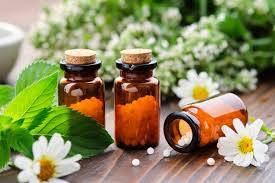
This is where aromatherapy might help. It uses scents from plants. These smells can change how you feel.
They can help you relax or feel more brave. This article will explore how essential oils can be used for support during labor. We will cover what works and what to watch out for.
Aromatherapy uses specific essential oil scents during labor to promote relaxation, ease discomfort, and reduce anxiety. Key oils like lavender, clary sage, and peppermint can offer natural support, but safe usage and dilution are crucial for both mother and baby.
Understanding Aromatherapy for Childbirth
Aromatherapy is using plant extracts. These extracts have strong smells. We call them essential oils.
People have used these scents for a very long time. They believed the smells could help the body and mind. During childbirth, these scents can do a few things.
They can help calm nerves. This is very important when you are feeling worried. They might also help with feeling less pain.
Some smells can make you feel more focused. Others can help you feel more relaxed. It’s like a gentle way to support your body’s work.
The oils are not a cure. They are a form of comfort. They work with your body.
They help your mind feel better. This can make the whole experience smoother. It helps you feel more in control.
This is a powerful feeling during labor.
My Own First Experience with Essential Oils
I remember my first time trying essential oils for a tough situation. It wasn’t for labor, but for extreme stress. I was working late one night.
A big project was due, and I felt completely overwhelmed. My shoulders were tight, and my breathing was shallow. I could feel panic creeping in.
A friend suggested a few drops of lavender oil on a tissue. She told me to just breathe it in gently. I was skeptical, honestly.
It seemed too simple. But I was desperate. I opened the little bottle, and a soft, floral scent filled the air.
Within minutes, I felt a subtle shift.
My shoulders dropped a little. My breathing deepened. It wasn’t a magic fix, but it was a real change.
It felt like a small, safe space I could go to inside my own mind. That experience showed me how powerful a simple smell can be. It made me curious about other uses, especially for something as intense as labor.
Essential Oils: Nature’s Helpers
Essential oils come from plants. They are the concentrated scent parts. Think of the smell of a rose.
That scent is made from many tiny parts of the rose. These parts are carefully taken out. This makes a very strong oil.
A little goes a long way.
These oils are not for eating. They are very strong. You always need to mix them with other oils.
This is called diluting. It makes them safe to use on your skin. It also helps the smell spread nicely.
How Aromatherapy Helps During Labor
Labor is a big physical and emotional journey. Aromatherapy can offer support in several ways. It helps ease the stress that can come with it.
It can also make the physical feelings more manageable. Let’s look at the main benefits.
One big help is calming the mind. Fear and worry can make pain feel worse. When you are calm, your body can work better.
Essential oils like lavender are known for this. They can help create a sense of peace. This is a great thing to have when you are focused on labor.
Another benefit is pain relief. Some oils can help manage how you feel discomfort. They don’t stop the feeling.
But they can make it feel less intense. Clary sage is often mentioned for this. It is thought to help relax muscles.
Relaxed muscles can make labor progress more smoothly.
Aromatherapy can also help with nausea. Many people feel sick during labor. Certain smells can settle a queasy stomach.
Peppermint is a good example. A gentle whiff of peppermint can help you feel more balanced. This helps you stay hydrated and focused.
Finally, it can help you feel more in control. Having a tool that helps you feel good is empowering. Using scents you love can bring a sense of comfort.
It makes the birth space feel more personal and safe. This can truly change the birth experience.
Popular Oils for Labor Support
Lavender: Known for calm and relaxation. Great for reducing anxiety.
Clary Sage: May help ease pain and muscle tension. Often used in the later stages.
Peppermint: Good for nausea and giving a little energy boost.
Frankincense: Helps promote a sense of peace and grounding.
Chamomile: Very gentle, known for its calming and soothing effects.
The Science (and Experience) Behind the Scents
How do smells affect us? It’s a fascinating area. Our sense of smell is directly linked to the limbic system in our brain.
This part controls emotions, memory, and feelings. When you smell something, it sends signals straight to this area.
Think about a scent from your childhood. It might instantly bring back a memory or a feeling. This is your limbic system at work.
Aromatherapy taps into this connection. Calming scents can signal to your brain to relax. They can slow your heart rate.
They can lower your blood pressure.
For labor, this is huge. When you are less stressed, your body can do its job more effectively. Less tension means muscles can contract better.
Pain signals might feel less overwhelming. It’s not just a psychological trick. There are real physical responses happening.
Many birth professionals have seen this firsthand. Doulas, midwives, and even some doctors report positive effects. They see how mothers respond to scents.
They note calmer births. They observe less need for medical interventions. This real-world experience builds trust in aromatherapy.
While more research is always ongoing, the anecdotal evidence is strong. And the basic science of smell and the brain supports its use. It’s about creating a supportive environment.
Smells are a powerful part of that environment.
Choosing the Right Essential Oils Safely
It’s exciting to think about using essential oils. But safety is the most important thing. Not all oils are safe for everyone.
And they must always be used correctly.
First, choose high-quality oils. Look for pure essential oils. Avoid oils that are just “fragrance oils.” Those are often synthetic and don’t have the same benefits.
They can also be harmful.
Second, always dilute them. Never put essential oils directly on your skin. You need to mix them with a carrier oil.
Good carrier oils include fractionated coconut oil, jojoba oil, or almond oil. A common dilution is 1-2% for adults. This means a few drops of essential oil per tablespoon of carrier oil.
Third, talk to your healthcare provider. This is very important. Discuss your plans for using aromatherapy with your doctor or midwife.
They can offer guidance. They know your specific health situation. Some oils might not be recommended depending on your pregnancy.
Fourth, consider the stage of labor. Some oils are better for early labor. Others are for active labor.
For instance, clary sage is often recommended once labor is established. It’s good to know which oils are best for which part of the process.
Fifth, think about allergies or sensitivities. If you have asthma or strong allergies, be extra cautious. Some strong scents can trigger reactions.
Always test a small amount first. Use it in a well-ventilated area.
Finally, less is often more. You don’t need strong smells. A gentle aroma is usually enough.
Start with just one or two oils. See how you respond before using more.
Dilution Basics
Carrier Oil: A base oil like coconut, jojoba, or almond.
Ratio: About 5-10 drops of essential oil per ounce (2 tablespoons) of carrier oil for a 1% dilution.
How to Use Diluted Oil: Apply a small amount to your wrists, temples, or neck. You can also add it to a warm bath.
Never ingest essential oils.
Ways to Use Aromatherapy During Labor
There are several easy ways to bring the benefits of essential oils into your labor space. Each method offers a slightly different experience.
One of the simplest methods is using a diffuser. A diffuser breaks down essential oils into tiny particles. It then releases them into the air as a fine mist.
This fills the room with a gentle scent. You can choose an oil like lavender to create a calm atmosphere.
Another popular method is an aroma inhaler. This is a small stick with a cotton wick. You add a few drops of oil to the wick.
Then you can take it with you. When you need a quick scent, you just bring it to your nose and inhale. It’s very portable and personal.
You can also use scented compresses. Mix a drop or two of essential oil with a carrier oil. Then, add this to a warm, damp cloth.
Place the cloth on your forehead or the back of your neck. The warmth and the scent can be very soothing.
A diluted oil can be gently massaged into your skin. A partner or doula can help with this. Focus on areas like your shoulders, back, or feet.
This combines the benefits of touch with aromatherapy. It’s a wonderful way to relax tense muscles.
Sometimes, just a drop on a tissue can be enough. Place a drop of essential oil on a tissue or cotton ball. Keep it near your pillow or bedside.
You can inhale the scent whenever you feel the need. This is a very discreet way to use oils.
Remember to use these methods in a well-ventilated space. Make sure everyone in the room is comfortable with the scent. It’s about creating a supportive environment for you.
Quick Scan: Methods at a Glance
| Method | How it Works | Best For |
|---|---|---|
| Diffuser | Fills the room with scent. | Creating a calming environment. |
| Aroma Inhaler | Portable personal scent. | Quick relief anywhere. |
| Scented Compress | Warm cloth with scent. | Soothing specific areas. |
| Massage Oil | Diluted oil rubbed on skin. | Muscle relaxation and comfort. |
| Tissue Inhalation | Drop on tissue to smell. | Discreet, personal scent. |
Real-Life Scenarios: Birth Stories and Scents
I heard a story from a woman named Sarah. She was in her first labor. It was long and tough.
She was feeling very tired and a bit scared. Her midwife brought out a small bottle of clary sage oil. She diluted it and put a little on Sarah’s lower back during a contraction.
Sarah said it was like a warm wave. The intensity of the pain felt different. It didn’t disappear, but it felt more bearable.
She focused on the scent as she breathed through the contraction. It helped her feel grounded. That small addition made a big difference for her.
Another mom, Maria, used lavender. She was very anxious before her scheduled C-section. She was worried about the medical setting.
Her doula put a drop of lavender on a tissue for her. Maria held it to her nose as they wheeled her into the operating room. She said the familiar, calming scent made her feel less alone and scared.
These stories highlight how personal and effective aromatherapy can be. It’s not about replacing medical care. It’s about adding another layer of comfort.
It’s about using natural helpers to support the body’s amazing work. These simple scents can create moments of peace in a very intense time.
Contrast: Normal vs. Concerning Use
Normal Use:
- Using pure essential oils that are known to be safe for labor.
- Properly diluting oils with a carrier oil before skin application.
- Using scents in a well-ventilated room, with consent from all present.
- Noticing subtle shifts in mood or comfort.
Concerning Use:
- Using synthetic fragrance oils instead of pure essential oils.
- Applying undiluted essential oils directly to the skin.
- Using oils in a closed, unventilated space, or if someone feels ill from the scent.
- Expecting oils to replace necessary medical care or pain relief.
What This Means for Your Labor Plan
So, how can you incorporate aromatherapy into your own birth plan? It’s a great idea to think about this early.
When it’s normal: It is perfectly normal to want to use aromatherapy for comfort and relaxation during labor. If your healthcare provider approves, it can be a wonderful addition. Many people find it helps them cope better with contractions and anxiety.
When to consider other options: If you have a history of severe allergies, asthma, or respiratory issues, talk to your doctor very carefully. Some scents can be triggers. Also, if you are planning a birth in a hospital, check their policy on essential oils.
Some facilities have restrictions.
Simple checks: Before labor, get a few high-quality essential oils. Find a good carrier oil. Learn about safe dilution.
Have a diffuser or aroma inhaler ready. Practice using the scents at home so you know what you like.
During labor, start gently. See how you feel. You can always add more scent or try a different oil if needed.
Your comfort and well-being are the priority. Aromatherapy is a tool to help you achieve that.
Quick Tips for Using Aromatherapy in Labor
Ready to try it? Here are some easy tips to get the most out of aromatherapy.
Pack Smart: If you are going to a birth center or hospital, pack your essential oils and carrier oil in a small pouch. Include a diffuser if possible, or at least your tissues and inhaler.
Communicate: Let your birth partner, doula, and midwife know which oils you plan to use. They can help you apply them or ensure the environment is right.
Test Run: Use the oils you plan to bring during late pregnancy. This helps you confirm you like the scent and how it makes you feel. It also helps you practice diluting.
Focus on Breath: Combine aromatherapy with deep breathing. Inhale the scent deeply as you exhale slowly. This can amplify the calming effects.
Create Your Sanctuary: Use scents to make your birth space feel more like your own. A familiar, comforting smell can be a great anchor during labor.
Listen to Your Body: If a scent starts to feel overwhelming or unpleasant, stop using it. Your body will tell you what it needs. There’s no pressure to use every scent.
Micro-Tips for Labor Aromatherapy
Odor Preference: Choose scents you genuinely love.
Partner Power: Have your support person manage the oils.
Ventilation is Key: Always ensure good airflow.
Less is More: Start with a tiny amount.
Hydration Helper: Use peppermint for nausea.
Frequently Asked Questions About Labor Aromatherapy
Can I use essential oils if I have a medical condition during pregnancy?
It’s crucial to talk to your doctor or midwife before using essential oils if you have any medical conditions. Some oils might not be suitable. They can advise you based on your specific health needs.
What essential oils should I avoid during labor?
Generally, it’s wise to avoid oils that stimulate contractions unless specifically advised by a healthcare provider for induction. Also, be cautious with oils that can thin blood or are very potent. Always consult your provider for a personalized list.
How much carrier oil do I need for essential oils?
A good starting point for a 1% dilution is about 5-10 drops of essential oil per ounce (about 2 tablespoons) of carrier oil. This ratio helps ensure the essential oil is safe for topical use.
Can my partner use essential oils during my labor too?
Yes, if your partner enjoys the scent and it helps them feel calm and supportive, they can also benefit. Just ensure the scents are agreeable to you and don’t cause any discomfort.
Will essential oils make labor pain disappear?
No, essential oils are not pain relievers in that sense. They work by helping to manage your perception of pain and reduce anxiety. They promote relaxation, which can make labor more manageable and comfortable.
Can I use aromatherapy in a birth pool?
You can add a few drops of diluted essential oil to bath water. However, be very careful. Avoid getting the oils directly into your eyes or mucous membranes.
Ensure the scents are not too strong in the enclosed space of the pool.
Bringing Nature’s Comfort to Your Birth
Aromatherapy offers a gentle, natural way to enhance your labor experience. It can bring calm, comfort, and a sense of control. By choosing safe oils and using them wisely, you can tap into nature’s helpers.
It’s a beautiful way to support your body’s amazing journey.