There’s a lot of excitement when a new baby arrives. You’ve heard about breastfeeding. It’s natural, right? But sometimes, that “natural” part feels anything but. For many new parents, getting that first breastfeeding latch just right can feel like a puzzle. It can be tough. This guide will help you understand what to look for. We’ll break down simple steps for a good latch. You’ll feel more confident soon.
A good breastfeeding latch means your baby is well-positioned on the breast. Their mouth is open wide. They take in a good amount of breast tissue, not just the nipple. This makes feeding effective and comfortable for both of you. It helps prevent pain for the mother and ensures the baby gets enough milk.
Understanding the Breastfeeding Latch
Let’s talk about what a good latch actually is. It’s more than just putting the baby to your breast. Think of it as a team effort. Your baby needs to “find” the breast. They need to open their mouth wide. You need to guide them to take in not just your nipple. They need to take in a good part of the darker area around it. This dark area is called the areola. A deep latch is key. It means more of the areola is in the baby’s mouth. This helps the baby get milk. It also helps prevent nipple pain for you.
Why is this so important? A poor latch can cause many issues. It can make your nipples sore. It might even cause cracked nipples. Your baby might not get enough milk. This can lead to weight gain problems. It can also make them fussy. Sometimes, a baby with a bad latch might swallow a lot of air. This can cause gas and discomfort for the baby. So, getting the latch right from the start sets the stage for happy feeding.
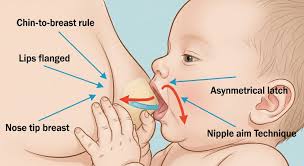
There are signs of a good latch. Your baby’s mouth should be open very wide. It looks like they are yawning. Their lips should be flanged outwards. They should look like they are “pouting.” You should not feel sharp pain. Maybe a little tugging at first. But it should not hurt a lot. Your baby’s chin should be pressed into your breast. Their nose might be touching too. Their jaw should be moving as they suck.
Signs of a Good Latch
- Wide Mouth: Baby’s mouth is open very wide, like a yawn.
- Flanged Lips: Baby’s lips are turned outwards, like a fish or pout.
- Asymmetrical Latch: More areola visible above the baby’s upper lip than below.
- Comfortable for Mom: Little to no sharp pain, just a tugging feeling.
- Chin Pressed: Baby’s chin is tucked into your breast.
- Active Jaw: You can see or feel the baby’s jaw moving.
Getting Ready: Positions and Preparation
Before you even try to latch, preparation is key. Think about where you are. Find a comfy spot. You’ll be doing this a lot. A cozy chair or a bed works well. Make sure you have pillows. Pillows help support your back and arms. They also help position the baby correctly. This is super important. You want the baby to be at breast level. You don’t want to be reaching down to them.
There are a few common breastfeeding positions. The cradle hold is classic. You hold the baby in the crook of your arm. Their head rests on your forearm. Their body faces you. The cross-cradle hold is also popular. You hold the baby in the opposite arm. This gives you more control. Your other hand can help guide the baby. The football hold, or clutch hold, is good for C-sections. You tuck the baby under your arm. Their feet point behind you. Their head is near your breast.
No matter the position, aim for good alignment. Your baby’s ear, shoulder, and hip should be in a straight line. Their tummy should be close to your tummy. They should not have to turn their head too much. If they have to turn their head, it makes latching harder. They should be close enough to you. They should feel secure and supported.
When your baby is hungry, they show signs. These are called early hunger cues. They might root. Rooting means they turn their head and open their mouth. They might put their hands to their mouth. They might make little cooing sounds. It’s best to offer the breast when you see these. Don’t wait for crying. Crying is a late hunger cue. It makes it harder for the baby to latch well.
My First Latch Attempt: A Real Story
I remember holding my daughter, Lily, for the first time. Everything felt so new and overwhelming. The nurses helped me get into position. I was in a hospital bed, propped up with pillows. Lily was tiny. She felt so fragile. I put her on my chest. She instinctively started to move. Her little mouth was searching. I touched my nipple to her lips. She turned away.
My heart sank a little. This was supposed to be natural. I tried again. I nudged her chin towards my breast. She rooted, but her mouth wasn’t wide open. It felt like she was just nibbling my nipple. It hurt. It was a sharp, pinching pain. I winced. Lily sensed my discomfort. She pulled away and started to fuss. I felt a wave of panic.
A kind nurse came in. She saw my worried face. She gently showed me how to help Lily open her mouth wider. She explained about the areola. She said Lily needed to take in more than just the tip. The nurse guided Lily’s mouth. She made sure her chin was pressed in. Her lips were out. Suddenly, the feeling changed. It was a strong tug, but not painful. Lily was sucking and swallowing. I could hear it. It was the most beautiful sound. That first good latch felt like a huge victory.
How to Achieve That Deep Latch
Achieving that deep latch is the goal. It makes breastfeeding work. Here’s how to help your baby get there. First, bring your baby close. Their tummy should touch yours. Their head should be slightly tilted back. This helps them open their mouth wide. Think of them as coming onto your breast.
Gently touch your nipple to your baby’s upper lip. This should encourage them to open their mouth. Wait for a big yawn. You want their mouth open as wide as possible. Then, quickly bring your baby onto the breast. Aim your nipple towards the roof of their mouth. You want more of the areola to go into their mouth than just the nipple. Look at the amount of areola visible above and below their mouth.
A good latch often looks asymmetrical. This means more of the areola is taken in on the bottom than the top. Their lower lip should be flanged out. Their chin should be pressed into your breast. This pressure helps the baby drain the milk. It also helps keep your nipple from being pinched. You should feel a strong pulling sensation. It should not be painful. If it hurts, break the latch. Try again.
Breaking a Latch to Relatch
If the latch isn’t right, don’t just pull the baby off. This can hurt your nipples. Instead, gently put your finger into the corner of the baby’s mouth. This breaks the suction. Then, you can reposition the baby and try again. It’s okay to do this many times. It’s part of learning.
Watch for signs that your baby is feeding well. You should see their jaw moving. You might hear them swallowing. It sounds like little “gulp” sounds. Your breast should feel softer after feeding. This shows milk has been removed. If your baby is satisfied and calm after feeding, that’s a great sign.
Common Latch Problems and Solutions
Even with the best intentions, problems can pop up. One common issue is a shallow latch. This is when the baby only takes the tip of the nipple. It hurts. It’s not effective for milk transfer. You might see the baby’s lips flanged inwards, not outwards. Their sucking might be fast and fluttery.
If you have a shallow latch, try repositioning. Make sure the baby’s chin is pressed into your breast. Try to get their tongue under your nipple. You can also try a different feeding position. Sometimes a change in angle helps. The football hold can give you more control. Remember to break the latch if it’s painful. Then, try again for that deep latch.
Nipple pain is another common worry. It’s not normal to have severe pain. Some initial discomfort is okay. But sharp, persistent pain means something is likely wrong with the latch. Check for inverted or flat nipples. If your nipples are difficult to evert, you can use a clean finger to gently draw out the nipple before the baby latches. Some mothers find using a breast pump for a minute or two can help draw out the nipple before offering it to the baby.
When to Seek Help
Don’t try to tough out severe pain. If nipple pain is constant or causing cracks, it’s time to call for help. A lactation consultant can be invaluable. They can assess your latch. They can identify underlying issues. They can give you personalized tips. Hospitals often have them. La Leche League and IBCLCs (International Board Certified Lactation Consultants) are great resources.
Tongue-tie is another issue that can affect latching. This is when the band of tissue under the baby’s tongue is too short. It restricts tongue movement. This makes it hard for the baby to create a good seal. It can lead to shallow latch, pain, and poor milk transfer. If you suspect tongue-tie, a healthcare provider can diagnose it. There are simple procedures to release it.
Recognizing a Strong Suck and Swallow
Once the latch is good, focus on the suck and swallow. You want to see a rhythmic pattern. The baby sucks, then pauses, then swallows. The suckling is not frantic. It’s a strong, steady action. You should see their jaw move as they suck. Their cheeks should be rounded, not sucked in.
Swallowing is the key indicator of milk transfer. Listen closely. You should hear soft gulping sounds. These are rhythmic. They happen after a few sucks. If you hear clicking sounds, it might mean the seal is broken. Or it could mean the baby is swallowing air. This is a sign the latch may need adjusting.
The baby should seem content while feeding. They are getting milk. They are getting full. After a feeding session, they should look relaxed. They might fall asleep at the breast. This is normal. The goal is for them to feed effectively. This means they transfer enough milk to grow well. It also means they get the nourishment they need.
What to Look For: Baby’s Feeding Behavior
Good Feeding Signs:
- Rhythmic sucking and swallowing.
- Swallows are audible, like gulps.
- Baby seems content and relaxed.
- Breasts feel softer after feeding.
Signs of Concern:
- Clicking or smacking sounds.
- Baby pulls away often.
- Baby seems frustrated or fussy.
- Nipple pain persists.
Factors Affecting the Latch
Several things can influence how well your baby latches. One big one is baby’s mouth shape and size. Newborns have tiny mouths. They are still learning how to use them for breastfeeding. This is why a wide yawn is so important. It allows them to take in a larger part of the areola.
Mom’s breast shape and fullness also play a role. If your breasts are very full or engorged, it can be harder for the baby to latch. The areola might be too firm. You can try expressing a little milk by hand before feeding. This can soften the breast. It makes it easier for the baby to get a good grip. A shield can sometimes help with very large or flat nipples.
Baby’s alertness is another factor. A drowsy baby might not latch well. This is why feeding when they show early hunger cues is best. A very agitated baby might also struggle. They might be too worked up to focus on latching. Try to calm them before offering the breast.
Things That Can Help Achieve a Good Latch
- Comfortable Seating: Use pillows for support.
- Baby’s Alignment: Ensure baby’s ear, shoulder, and hip are in line.
- Nipple to Palate: Aim nipple towards the roof of baby’s mouth.
- Wide Mouth: Wait for a big yawn.
- Soften Breast: Express a little milk if engorged.
- Gentle Nudge: Stimulate rooting reflex.
What This Means For You and Your Baby
Getting the first breastfeeding latch right has huge benefits. For you, it means more comfort. It means less pain. It means successful milk removal. This helps prevent clogged ducts and mastitis. It can build your confidence as a mother. It creates a bond with your baby through this intimate act.
For your baby, a good latch ensures they get enough milk. This is vital for their growth and development. It helps them gain weight. It provides all the nutrients they need. It can also help with digestion. It can reduce gas and colic. A good latch helps them feel secure and nourished.
It’s important to remember that learning to breastfeed takes time. It’s not always perfect from day one. Some days will be easier than others. Don’t be discouraged if you have a few challenging feeds. Most parents and babies figure it out with practice and support. Celebrate the small victories. Every good latch is a step in the right direction.
Quick Tips for First Latch Success
Here are some quick tips to keep in mind. Always ensure your baby is tummy-to-tummy with you. Bring the baby to the breast, not the breast to the baby. Wait for that wide yawn. Aim your nipple towards the roof of your baby’s mouth. Make sure the baby’s lips are flanged outwards. Their chin should be pressed into your breast.
Don’t be afraid to break the latch and try again. It’s better to try again than to force a bad latch. Listen for those swallowing sounds. Watch for signs of comfort. If you feel sharp pain, something is wrong. Seek help from a lactation consultant or healthcare provider.
Trust your instincts. You know your baby best. While expert advice is helpful, you will learn what works for you both. Take deep breaths. Stay calm. This process is a journey, not a race. Every successful feed builds confidence. You are doing a wonderful job.
Frequently Asked Questions About First Latch
How long should it take for my baby to latch?
It can vary greatly. Some babies latch quickly on the first try. Others take a few minutes. It’s common for newborns to take time to learn. Don’t worry if it takes multiple attempts. The key is getting a good, comfortable latch, not just a fast one.
My baby is latching, but it hurts. What should I do?
Persistent sharp pain is a sign of a poor latch. Break the suction gently by placing your finger in the corner of your baby’s mouth. Reposition your baby and try again. Ensure their mouth is wide open and they take in a good portion of your areola. If pain continues, seek help from a lactation consultant.
What if my baby only latches onto my nipple?
This is a common issue with a shallow latch. It can cause pain and poor milk transfer. Try to help your baby open their mouth wider. Nudge their chin towards your breast. Aim your nipple towards the roof of their mouth. Ensure their lips are flanged outwards. Sometimes changing feeding positions helps.
How do I know if my baby is getting enough milk?
Look for signs like audible swallowing during feeds. Your baby should seem content and satisfied after feeding. They should have plenty of wet diapers (about 6-8 a day after the first few days) and regular bowel movements. Their weight gain should be on track. If you have concerns, speak with your pediatrician.
Is it normal for breastfeeding to be uncomfortable at first?
A little discomfort or tugging at the very beginning of a feed can be normal. This is as your baby settles into the latch. However, sharp, shooting, or persistent pain is not normal. It usually indicates a latch problem that needs to be addressed to prevent nipple damage.
What if my baby has a tongue-tie? How does that affect latching?
Tongue-tie can make it very difficult for a baby to latch properly. The restricted tongue movement prevents them from creating a good seal. This often leads to a shallow latch, nipple pain, and poor milk transfer. If you suspect tongue-tie, consult with your doctor or a lactation consultant for diagnosis and treatment options.
Final Thoughts on Your Breastfeeding Journey
Breastfeeding is a beautiful journey. It has its challenges, especially at the start. Getting that first latch right is a big step. It builds confidence for both you and your baby. Remember to be patient with yourself. Seek support when you need it. You’ve got this!