Understanding postpartum healing herbs can bring comfort and aid recovery. These natural remedies, used traditionally, can help ease common postpartum discomforts like pain, swelling, and fatigue. They aim to support your body’s natural processes as you adjust to life with a new baby, promoting a smoother transition into motherhood.
Understanding Postpartum Healing Herbs
Postpartum healing herbs are plants used after childbirth. They help the mother’s body recover. This period is often called the “fourth trimester.” It lasts about three months after birth.
During this time, a woman’s body needs to heal from pregnancy and labor. Herbs can help with many common issues. These include pain from tears or stitches.
They can also help with swelling, bleeding, and tiredness. Some herbs help calm the mind. Others support milk production for breastfeeding.
Using them is a way to connect with nature’s own wisdom for healing.
For centuries, women around the world have relied on plants for support after birth. Modern medicine offers many advancements. Yet, the gentle power of herbs remains relevant.
They offer a more holistic approach. This means looking at the whole person, not just the symptoms. Postpartum herbs work with your body’s natural rhythms.
They don’t force changes. Instead, they encourage balance and repair. This can lead to a more complete and gentle recovery.
Why do these herbs work? Many contain special compounds. These compounds have natural properties.
They can be anti-inflammatory, meaning they reduce swelling. Some are analgesic, which means they help with pain. Others are astringent, helping to tone and tighten tissues.
Some herbs are known as nervines. They help calm the nervous system and reduce stress. All these properties are very helpful for a new mother.
My Own Postpartum Healing Journey
I remember my own postpartum days vividly. After my first child was born, I felt like I had run a marathon. My body ached everywhere.
I was also dealing with the emotional highs and lows. I wanted to feel strong again. I wanted to be present for my baby.
My grandmother, who was a midwife in her youth, suggested I try some herbal remedies. At first, I was a little unsure. I was used to reaching for over-the-counter pain relievers.
But I trusted her. She made me a special sitz bath. It had herbs like witch hazel and calendula.
I also drank a tea made with raspberry leaf and chamomile. The sitz bath felt incredibly soothing. The warmth and the herbs helped reduce the sting I felt.
It made sitting down much more comfortable. The tea was calming. It helped me feel more relaxed.
I also noticed it helped with my energy levels. I felt less drained. This small step made a big difference.
It helped me feel more in control of my recovery. It showed me the power of these natural allies during a vulnerable time.
Herbs for Comfort: A Quick Guide
Soothing Sitz Baths:
- Calendula: Helps heal skin and reduce inflammation.
- Chamomile: Calms irritated skin and has anti-inflammatory effects.
- Lavender: Promotes relaxation and has antiseptic properties.
- Witch Hazel: Astringent, helps reduce swelling and tighten tissues.
Nourishing Teas:
- Red Raspberry Leaf: Tones uterine muscles, may help with labor recovery.
- Nettle: Rich in iron and vitamins, helps combat fatigue.
- Oat Straw: Soothing and rich in minerals, good for energy.
Key Postpartum Herbs and Their Benefits
Let’s dive deeper into some of the most popular and effective postpartum healing herbs. Each one offers unique benefits to support a new mother’s recovery.
Red Raspberry Leaf
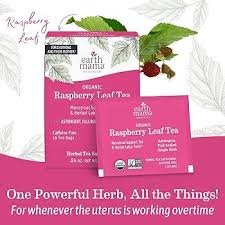
Red raspberry leaf is perhaps the most famous postpartum herb. It’s often recommended for pregnant women too. This is because it’s known to tone the uterus.
After birth, the uterus needs to contract. This helps it return to its pre-pregnancy size. It also helps control bleeding.
The leaf is rich in vitamins and minerals. These include Vitamin C, Vitamin E, Vitamin A, and B vitamins. It also has magnesium, potassium, and phosphorus.
These nutrients are vital for healing. They also help replenish what the mother’s body has used.
Many women find drinking raspberry leaf tea helps them feel stronger. It seems to aid in the uterus’s natural process of shrinking back. It can make the experience less uncomfortable.
The tea has a mild, pleasant taste. It can be enjoyed warm or cold. Starting to drink it in the last trimester of pregnancy can be beneficial.
But it is also very helpful once the baby has arrived.
Chamomile
Chamomile is a well-loved herb for its calming effects. It’s known for its gentle nature. This makes it safe and effective for new mothers.
Chamomile has anti-inflammatory properties. This means it can help reduce swelling. It can also ease pain.
For new mothers, this is a big help. It can be used in teas, baths, or even as a compress.
As a tea, chamomile is wonderful for relaxation. It can help a new mother unwind. This is important for healing.
It can also help with sleep. Good sleep is crucial for recovery. The anti-inflammatory action can help with soreness.
It can also calm digestive upset. Many babies experience gas or colic. A mother who is less stressed can cope better.
She might even pass on some of those calming effects.
Calendula
Calendula, also known as pot marigold, is a bright, sunny flower. It is a powerful healer for the skin. After childbirth, many women experience tears or episiotomies.
The perineal area needs gentle care to heal. Calendula has antiseptic and anti-inflammatory properties. It helps speed up skin regeneration.
It also prevents infection. This is very important.
Calendula is often used in salves, oils, or added to sitz baths. A warm calendula sitz bath can bring immense relief. It helps soothe irritation.
It promotes faster healing of stitches or tears. Its bright orange petals are a visual reminder of its healing warmth. It’s a safe herb for topical use.
It brings comfort to a very sensitive area.
Nettle
Nettle is a powerhouse herb. It is packed with nutrients. This is especially important for postpartum mothers.
Pregnancy and childbirth can deplete a mother’s body. Nettle is rich in iron. This helps combat postpartum anemia and fatigue.
It is also a good source of Vitamin K. This vitamin plays a role in blood clotting. This can be helpful in managing postpartum bleeding.
Nettle also contains Vitamin A, Vitamin C, calcium, and magnesium. These support overall healing and vitality. Drinking nettle tea can help boost energy levels.
It can make a mother feel less depleted. It’s often recommended for breastfeeding mothers too. It’s thought to improve the nutritional quality of breast milk.
Its taste is mild and earthy. It can be blended with other herbs.
Oat Straw
Oat straw is the dried stems and leaves of the oat plant. It’s a fantastic source of minerals. These include calcium, magnesium, and silicon.
These minerals are vital for rebuilding the body. They support bone health and nerve function. Oat straw is known for being nourishing and restorative.
It helps combat fatigue and exhaustion. This is common in the postpartum period.
Oat straw tea has a mild, slightly sweet flavor. It is very soothing. It can help calm a stressed nervous system.
This is a gentle way to support energy levels. It can also be added to baths. This helps to soothe itchy or irritated skin.
It leaves the skin feeling soft and nourished. It’s a true comfort during recovery.
St. John’s Wort
St. John’s Wort is known for its ability to support mood. Many women experience the “baby blues” or postpartum depression.
St. John’s Wort can be a helpful natural remedy for mild to moderate depression. It is thought to work by affecting certain brain chemicals.
It can help lift spirits and promote a sense of well-being. This is crucial for a new mother’s mental health.
It’s important to use St. John’s Wort with caution. It can interact with certain medications.
Always talk to a healthcare provider before using it. It is often taken as a tincture or capsule. It can also be made into an oil for topical use.
This oil can be massaged into the skin. It’s best used for emotional well-being, not for wound healing.
Herbal Safety First!
Always remember:
- Talk to your doctor. Before using any herbs, especially if you are pregnant, breastfeeding, or on medication.
- Source quality herbs. Buy from reputable suppliers.
- Know your allergies. Check for any known plant allergies.
- Start slowly. Use small amounts at first to see how your body reacts.
- Dosage matters. Follow recommended dosages for teas, tinctures, or capsules.
Real-World Context: Using Herbs at Home
Incorporating postpartum healing herbs into your routine should feel natural. It should not add stress. Think about your daily life.
What makes sense for you?
Herbal Teas for Daily Wellness
Making a pot of herbal tea is a simple ritual. You can prepare it in the morning. Sip it while holding your baby.
Or enjoy it during a quiet moment. Teas like raspberry leaf, nettle, or oat straw are great for daily support. They can help with energy and nutrients.
Chamomile is perfect for winding down in the evening. You can even blend herbs together. For example, chamomile and lavender for relaxation.
Or nettle and raspberry leaf for strength and nutrients.
Sitz Baths for Soothing Recovery
A sitz bath is a warm bath. You only fill the tub enough to cover your hips and bottom. Adding herbs like calendula, chamomile, or witch hazel can be very healing.
These baths are wonderful for soothing perineal soreness. They help with stitches and reduce swelling. It’s a relaxing way to care for your body.
Aim for 15-20 minutes. Do this once or twice a day. Make sure your tub is clean.
You can also buy a portable sitz bath basin. It fits over your toilet seat.
Herbal Salves and Oils for Topical Care
For localized healing, herbal salves and oils are excellent. Calendula salves are fantastic for perineal healing. They can also be used on sore nipples for breastfeeding mothers.
St. John’s Wort oil can be gently massaged into areas of muscle soreness. Or it can be used for its mood-lifting properties.
Always ensure these products are made with high-quality ingredients. Avoid any artificial fragrances or preservatives.
Herbal Compress for Swelling
If you have swelling, particularly in the breasts or abdomen, a warm herbal compress can help. You can soak a clean cloth in a strong herbal infusion (like chamomile or witch hazel). Wring it out.
Then apply it gently to the affected area. This can provide localized relief and reduce inflammation.
Herbs for Different Needs
To Tone Uterus & Control Bleeding:
- Red Raspberry Leaf
For Pain & Swelling Relief:
- Chamomile
- Calendula
- Witch Hazel
To Combat Fatigue & Replenish Nutrients:
- Nettle
- Oat Straw
For Mood Support:
- St. John’s Wort (with caution and doctor’s advice)
- Chamomile
What This Means for You: When to Worry and When It’s Normal
It’s important to know what to expect after birth. Some discomfort is normal. But some signs need medical attention.
Postpartum healing herbs can help with many normal discomforts. They support your body’s natural healing. They can make the recovery process feel more comfortable.
Normal Postpartum Experiences:
- Soreness in the perineal area or abdomen.
- Mild swelling.
- Fatigue.
- Emotional ups and downs (“baby blues”).
- Changes in bowel and bladder function.
- Vaginal bleeding (lochia).
Herbs like calendula, chamomile, and witch hazel can help with soreness and swelling. Nettle and oat straw can help with fatigue. Chamomile and St.
John’s Wort can help with mood. Raspberry leaf can support uterine recovery.
When to Seek Medical Advice:
- Heavy bleeding that soaks a pad every hour.
- Severe pain that doesn’t get better.
- Signs of infection: fever, chills, foul-smelling discharge, redness or warmth around a wound.
- Severe headaches or vision changes.
- Thoughts of harming yourself or your baby.
- Difficulty breathing.
- Swelling or pain in one leg.
Herbs are supportive. They are not a replacement for medical care. If you experience any of these warning signs, contact your doctor or midwife immediately.
They can assess your situation and provide the necessary treatment.
Postpartum Check-in: Quick Scan
Normal Comforts Supported by Herbs:
Soreness: Calendula, Chamomile sitz baths.
Swelling: Witch Hazel compresses, Calendula baths.
Fatigue: Nettle tea, Oat Straw tea.
Mood Swings: Chamomile tea, gentle St. John’s Wort oil (consult doctor).
Seek Medical Help For:
Heavy Bleeding: Immediate medical attention.
Signs of Infection: Fever, unusual discharge, extreme redness.
Severe Pain: Unrelieved pain needs evaluation.
Quick Tips for Using Postpartum Healing Herbs
Here are some simple ways to start using herbs. They can make a big difference in your recovery.
- Start with Teas: They are the easiest to make and use. Keep a thermos of warm nettle or raspberry leaf tea by your side.
- Prepare Sitz Bath Ingredients Ahead: Having dried herbs ready makes it simple to make a soothing bath when you need it.
- Consult a Local Herbalist: They can offer personalized advice. They can create custom blends for your specific needs.
- Listen to Your Body: Pay attention to how you feel. If an herb doesn’t feel right, stop using it.
- Combine with Self-Care: Herbs are a wonderful addition to rest, good nutrition, and hydration. They work best as part of a holistic approach.
- Educate Yourself: Learn about the herbs you are using. Understanding their properties helps you use them safely and effectively.
- Involve Your Partner or Support Person: They can help prepare teas or sitz baths. This allows you to focus on resting and healing.
Frequent Questions About Postpartum Healing Herbs
Can I use postpartum herbs if I am breastfeeding?
Yes, many postpartum herbs are safe for breastfeeding mothers. Herbs like nettle and oat straw are highly nutritious and can support milk production. Red raspberry leaf is also generally considered safe.
However, it’s always best to check with your doctor or a qualified herbalist. This is especially true if you have any concerns or are taking medications.
How soon after birth can I start using these herbs?
You can typically start using most postpartum herbs very soon after birth. Red raspberry leaf is often recommended in the third trimester of pregnancy and can be continued postpartum. For sitz baths and teas, use them as soon as you feel comfortable.
Always listen to your body and start gently.
Are there any herbs I should avoid after giving birth?
Yes, there are. Some herbs can stimulate menstruation or have strong effects that are not suitable for the postpartum period. For example, herbs like dong quai or black cohosh are generally not recommended right after birth.
It’s crucial to research each herb or consult with an expert to ensure it is safe and appropriate for your postpartum recovery.
How do I make a strong herbal tea for healing?
To make a strong herbal tea, use about 1-2 teaspoons of dried herb per cup of boiling water. Pour the boiling water over the herbs. Cover the cup or pot.
Let it steep for at least 10-15 minutes, or even longer for tougher herbs like roots or bark. This allows more of the beneficial compounds to be released into the water.
Can herbs help with postpartum constipation?
While not their primary focus, some herbs can gently support digestion. Slippery elm can be soothing for the digestive tract. Psyllium husk, a fiber supplement, is very effective for constipation.
Always drink plenty of water when using fiber supplements. For persistent constipation, consult your healthcare provider.
What is the difference between an herb and a supplement?
Herbs are plants or plant parts used for their medicinal or therapeutic properties. They are often used in their natural forms, like teas, tinctures, or salves. Supplements are typically concentrated forms of nutrients or compounds, often made in a lab or highly processed.
While some herbal supplements exist, using whole herbs in traditional preparations is common for postpartum care.
Conclusion: Embracing Nature’s Support
The postpartum period is a time of immense change. It is also a sacred time for healing and bonding. Embracing postpartum healing herbs can be a beautiful way to support your body.
It connects you to ancient wisdom. These natural remedies offer gentle comfort and aid recovery. Remember to always prioritize safety.
Consult with healthcare professionals. Listen to your body. With the right support, you can navigate this transition with grace and strength.
Nature offers a helping hand on your journey.