Perineal healing after birth involves several weeks of recovery for the tissues between the vagina and anus, which may have stretched or sustained tears. Proper care, rest, and attention to symptoms are crucial for a smooth and complete healing process.
What is Perineal Healing?
Perineal healing is the process your body goes through to repair itself after childbirth. This area is called the perineum. It’s the patch of skin and muscle between your vaginal opening and your anus.
During vaginal birth, this area stretches a lot. Sometimes, it can tear a little. This is called a perineal tear.
In some births, a small cut might be made. This is called an episiotomy. It’s done to help the baby come out easier.
Both tears and episiotomies need time to heal. They are like any other cut or wound on your body.
Your body is amazing at healing. But this area needs special care. You might feel discomfort or pain.
This is very common. The healing process can take several weeks. It depends on how much the area was stretched or if there was a tear.
You will notice changes each day. The redness and swelling will go down. The stitches, if any, will dissolve or be removed.
You’ll start to feel less pain. It’s important to know what’s normal. It’s also good to know when to ask for help.
Think of it like healing a scraped knee. At first, it’s red and hurts. You need to keep it clean.
You protect it from bumping. Over time, it gets better. New skin forms.
The pain goes away. Your perineum heals in a similar way. But it’s an area that’s used often.
It can be hard to keep it perfectly still. This is why healing takes patience. It also takes gentle care.
My Own Postpartum Experience
I remember my first few days after my daughter was born. Everything felt so new and overwhelming. But the physical discomfort was also a big part of it.
I had a small tear. It wasn’t severe, but it made sitting down a challenge. I felt a constant awareness of that area.
It was like a dull ache that was always there. I worried if I was doing enough. I also worried if it would ever feel normal again.
I distinctly recall trying to get out of bed one morning. It felt like a jolt of pain. I winced and grabbed my belly.
My husband asked if I was okay. I just nodded, a little embarrassed by the raw discomfort.
My midwife gave me a list of things to do. She said, “Be kind to yourself.” That was the hardest part. You want to be up and about.
You want to care for your baby. But your body is saying, “Slow down.” I used the peri bottle religiously. I changed pads often.
I tried the ice packs. Some felt better than others. I remember one evening, trying to nurse my baby.
I was shifting around to find a comfortable position. Each little move sent a twinge of soreness. It made me feel so fragile.
But then, slowly, things started to shift. After about a week, the sharp pain lessened. It turned into a more manageable ache.
Then, even that started to fade. It was a gradual journey, not an instant fix. But seeing that progress gave me hope.
Understanding the Healing Process
The healing of your perineum starts right after birth. Your body’s job is to repair any tears or cuts. It also needs to help the muscles recover.
These muscles worked hard during labor. They may have stretched significantly. Your body sends blood and nutrients to the area.
This helps new tissue grow. It’s a natural, biological response.
You might have stitches. These are usually made of a special thread. It dissolves on its own over time.
This means you don’t need to have them removed. The stitches help hold the edges of the tear or cut together. This makes healing faster and tidier.
The skin edges heal together more smoothly. If you had a large tear or a complex episiotomy, your doctor or midwife will check the stitches. They will make sure they are healing well.
The first few days are often the most uncomfortable. You might have swelling and bruising. Pain is common.
You may feel some burning or stinging, especially when you pee. This is normal because your urine passes over the healing area. The goal is to keep the area clean.
This helps prevent infection. It also promotes good healing. As days turn into weeks, you’ll notice improvements.
The pain will decrease. Swelling will go down. The area will feel less sensitive.
It’s a staged process.
Key Stages of Perineal Healing
Day 1-3: Initial Comfort Measures
Focus on pain relief and keeping the area clean. Swelling and bruising are common. Stitches may feel tight or cause discomfort.
Week 1: Reducing Pain and Swelling
Pain should start to lessen. Swelling may begin to decrease. You might be able to sit more comfortably for short periods.
Weeks 2-4: Ongoing Recovery
Discomfort should be significantly reduced. You can likely resume more normal activities. Healing continues internally.
6-8 Weeks: Full Recovery Expected
Most women feel back to normal by this time. Any residual soreness should be minor.
It’s important to listen to your body. Don’t push yourself too soon. Rushing can sometimes slow down healing.
Or it might cause irritation. Gentle movement is good. But avoid heavy lifting.
Stay hydrated. Eat nutritious foods. These help your body repair itself.
Your diet plays a role. Protein helps build new tissue. Vitamins help with healing too.
When to Seek Help: Red Flags
While discomfort is normal, some signs mean you need to call your doctor or midwife. These are warning signs. They suggest something might be wrong.
Don’t hesitate to reach out. Your health is important. It’s better to be safe than sorry.
One of the biggest concerns is infection. Signs of infection include increased pain. It might be a throbbing pain.
You might notice redness spreading. The area could feel unusually warm. There may be a foul-smelling discharge.
Sometimes, you might develop a fever. A fever is a temperature of 100.4°F (38°C) or higher. If you see any of these, call your healthcare provider right away.
Another sign is if your stitches come undone. Or if a tear seems to be reopening. You might see a gap in the healing skin.
This can happen if you’ve been too active too soon. Or if there’s been a lot of pressure on the area. If this happens, you need medical attention.
Your provider will assess the situation. They can offer solutions to help it heal properly.
Unexpected or worsening pain is also a red flag. If the pain gets worse instead of better. Or if it becomes unbearable.
This needs to be checked. It could be a sign of an infection. It could also be related to a hematoma.
A hematoma is a collection of blood under the skin. Sometimes, a wound can break down. This is called wound dehiscence.
It means the edges have separated.
Signs You Should Call Your Doctor or Midwife
Increased Pain: Pain that gets worse or becomes severe.
Signs of Infection:
- Fever (100.4°F / 38°C or higher)
- Increased redness or swelling
- Warmth around the incision/tear
- Foul-smelling discharge
Wound Issues:
- Stitches coming undone
- Tear or cut edges separating
- Bleeding that soaks through pads quickly
Changes in Urination or Bowel Movements:
- Difficulty peeing or pooping
- Pain with urination that doesn’t improve
It’s also important to monitor any discharge. A little bit of clear or pinkish discharge is normal. But if it becomes thick, yellowish, greenish, or has a bad smell, get it checked.
Also, if you notice increased bleeding. This means soaking through a pad in an hour. That’s a concern.
Your provider will want to know about any changes. They can guide you on what to do. They might need to see you.
They might prescribe medication. Or they might offer specific treatments. Trust your instincts.
If something feels off, it’s worth asking about. Early intervention can make a big difference.
Tips for Faster and More Comfortable Healing
Taking care of your perineum can make a huge difference. Simple actions can speed up healing. They can also reduce discomfort.
Think of these as your postpartum self-care tools. They are essential for your well-being.
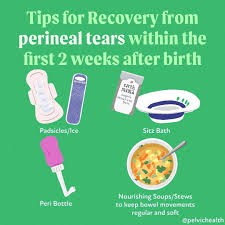
Keep the Area Clean: This is number one. After peeing or pooping, use a peri bottle. Fill it with warm water.
Gently spray the area from front to back. Pat yourself dry with a clean, soft cloth. Or use a hairdryer on a cool setting.
Avoid rubbing. Change your pad frequently. Don’t let it get too full or saturated.
This helps prevent bacteria from growing.
Use Cold Packs: Cold therapy can be a lifesaver. You can buy special perineal cold packs. Or you can make your own.
Wrap a bag of frozen peas or crushed ice in a thin towel. Apply it to the area for 15-20 minutes at a time. Do this several times a day.
It helps reduce swelling and numb the pain. This is especially helpful in the first few days.
Sitz Baths: A warm sitz bath can be very soothing. Fill a bathtub with a few inches of warm water. You can add Epsom salts if you like.
Sit in the warm water for 15-20 minutes. Do this 2-3 times a day. It helps promote blood flow.
It can also relax the muscles. This aids in healing and pain relief. Make sure the water isn’t too hot.
Just comfortably warm.
Gentle Movement: While rest is crucial, some gentle movement is good. Walking around your house for short periods helps with circulation. This can aid healing.
It also helps prevent blood clots. Avoid strenuous activity. Listen to your body.
If it hurts, stop.
Proper Sitting: Sitting can be uncomfortable. Try to avoid sitting directly on the perineum. You can use a donut-shaped cushion.
Or a soft pillow. You can also try a “clamshell” position. Lie on your side with your knees bent.
This takes pressure off the area.
Pelvic Floor Exercises (Kegels): Once your healthcare provider says it’s okay, start gentle Kegel exercises. These exercises strengthen your pelvic floor muscles. They can help with healing and long-term bladder and bowel control.
They also help restore muscle tone. Start with holding for a few seconds. Then relax.
Gradually increase the hold time.
Quick Healing Tips Checklist
Cleanliness is Key
- Use peri bottle after every bathroom trip.
- Pat dry gently.
- Change pads regularly.
Pain & Swelling Relief
- Apply cold packs for 15-20 mins.
- Take warm sitz baths (2-3 times daily).
- Use soft cushions for sitting.
Promote Healing
- Stay hydrated.
- Eat nutritious foods.
- Gentle walking is encouraged.
Muscle Recovery
- Begin gentle Kegels when cleared by your doctor.
Hydration and Nutrition: Drink plenty of water. Eat a balanced diet. Foods rich in protein, Vitamin C, and zinc are great for wound healing.
These nutrients help your body build new tissue. Fiber is also important. It helps prevent constipation.
Straining can put pressure on your perineum.
Avoid Straining: Constipation can make healing harder. Drink lots of fluids. Eat fiber-rich foods like fruits and vegetables.
If needed, talk to your doctor about stool softeners. Avoid holding your breath and straining during bowel movements. This puts extra pressure on the area.
Pain Medication: Over-the-counter pain relievers can help. Ibuprofen or acetaminophen are often recommended. Your doctor might suggest stronger options if needed.
Always follow their advice. Don’t wait for pain to become severe. Take medication as needed.
What to Expect in the Weeks Ahead
The first week postpartum is often the toughest for perineal healing. You’re likely experiencing the most discomfort. Soreness, swelling, and bruising are common.
You might feel a burning sensation when you pee. This is expected due to the location of the wound. You will be using pads for bleeding.
These pads can also help cushion the area.
By the second week, you should start to feel a noticeable difference. The intense pain should be fading. You might still feel some soreness.
But sitting and walking should be more comfortable. You can likely manage daily tasks with less difficulty. The swelling should be reducing.
If you had stitches, they are likely dissolving. Or they may have already fallen out.
In weeks 3 and 4, healing continues. You might still feel occasional twinges. But the area should feel much more normal.
You can probably resume most of your usual activities. This includes light exercise. Continue with your pelvic floor exercises if cleared.
By this point, any lingering pain should be minimal.
The full recovery period can be around 6 to 8 weeks. This is often when women are cleared for sexual intercourse. Some may feel ready sooner.
Others might need a bit longer. It’s important to talk to your partner. Communicate your feelings and comfort levels.
If intercourse is painful, stop. You can try again later. Or talk to your doctor.
Timeline of Perineal Recovery
Week 1: Most discomfort, swelling, bruising. Focus on cleanliness and pain relief.
Week 2: Pain lessens, sitting improves. Swelling reduces. Stitches may be dissolving.
Weeks 3-4: Significant improvement, fewer twinges. More normal activity.
6-8 Weeks: Expected full recovery. Cleared for intercourse if comfortable.
It’s good to remember that everyone heals differently. There’s no one-size-fits-all timeline. Your birth experience was unique.
Your healing journey will be too. Some factors influence healing time. The degree of tearing or the size of an episiotomy is one.
Your general health and how well you follow care instructions also matter.
Don’t compare your recovery to others. Focus on your own progress. Celebrate the small victories.
Getting through a whole day without significant pain is a victory. Being able to sit through a meal is a victory. These steps show your body is healing.
Patience is a key part of the postpartum journey.
When Is It Okay to Resume Sexual Activity?
This is a common question. And the answer is: when you feel ready. Most doctors recommend waiting until your 6-week postpartum check-up.
This is when your provider will assess your healing. They can confirm that your perineum has healed well. They will also check for any signs of infection or other issues.
If everything looks good, they will likely give you the green light.
Feeling ready involves more than just medical clearance. It means you feel comfortable. The soreness and pain should be gone.
Or at least very minimal. You should not have any signs of infection. Your emotional readiness also matters.
Sex after birth can bring up new feelings. Talk to your partner about your concerns. And your desires.
Open communication is vital.
If you try to have sex and it’s painful, stop. Don’t force it. Pain during intercourse can be due to several things.
The area might still be a little tender. Scar tissue from a tear or episiotomy can be sensitive. Sometimes, hormonal changes after birth can lead to vaginal dryness.
This can make sex uncomfortable.
Here are some tips if you’re considering resuming sex:
- Use Lubricant: A good quality water-based lubricant can make a big difference. It helps reduce friction and increase comfort.
- Start Slowly: Begin with foreplay. Explore what feels good. You don’t have to jump straight into intercourse.
- Experiment with Positions: Some positions might put more pressure on the perineum than others. Try positions where you have more control. Like you being on top.
- Talk to Your Partner: Keep the lines of communication open. Let your partner know what feels good. And what doesn’t.
- Consider Your Doctor: If pain persists, talk to your doctor. They can rule out any underlying issues. They might suggest specific exercises or treatments for scar tissue.
Remember that your body has gone through a huge transformation. It needs time to recover fully. Don’t feel pressured.
Your intimacy will return. It might feel different at first. That’s okay.
It’s a new chapter.
Long-Term Considerations for Pelvic Health
Perineal healing is just one part of your postpartum recovery. Your pelvic health as a whole is important. The pelvic floor muscles support your bladder, uterus, and bowels.
They are crucial for core strength and stability.
Continuing with pelvic floor exercises, like Kegels, is beneficial. Even after the initial healing period. Stronger pelvic floor muscles can help prevent future issues.
These include stress incontinence (leaking urine when you cough or sneeze). They can also help with prolapse. This is when organs in the pelvis shift out of place.
Your doctor or a physical therapist specializing in postpartum recovery can guide you. They can ensure you’re doing Kegels correctly. They can also suggest other exercises for core strength.
Things like deep abdominal exercises. These are safe and effective. They help rebuild your body’s support system.
Listen to your body’s signals. If you experience ongoing pelvic pain. Or changes in bladder or bowel function.
Don’t ignore them. These could be signs of longer-term pelvic floor issues. Seeking professional help can make a big difference.
It can improve your quality of life.
Focusing on Long-Term Pelvic Health
Continue Pelvic Floor Exercises: Maintain strength and tone.
Core Strengthening: Engage deep abdominal muscles safely.
Listen to Your Body: Don’t ignore persistent pain or function changes.
Seek Professional Guidance: Consult doctors or pelvic floor therapists.
It’s easy to get caught up in baby care. But your own health is paramount. Taking care of your pelvic floor is an investment.
It supports your overall physical well-being. It helps you feel strong and confident as you navigate motherhood.
Frequently Asked Questions
How long does it typically take for the perineum to heal completely?
Complete healing typically takes about 6 to 8 weeks. However, significant discomfort usually subsides within the first 2 to 3 weeks. Some women may feel fully recovered sooner, while others may need a bit more time.
Is it normal to feel pulling or stinging when urinating after birth?
Yes, it is quite common to feel a stinging or burning sensation when urinating. This is because urine passes over the healing perineal area. Using a peri bottle with warm water to rinse the area before and after urinating can help minimize this sensation.
What if my stitches are itchy?
Itchiness is a normal part of the healing process as tissues regenerate. You can try using a cold pack wrapped in a thin cloth. Gentle patting with a clean cloth may also help.
Avoid scratching, as this can disrupt healing and potentially introduce infection. If the itchiness is severe or accompanied by other concerning symptoms, consult your healthcare provider.
Can I use tampons after giving birth?
No, you should avoid using tampons until you have completed your postpartum healing and your healthcare provider gives you the okay. This is usually after your 6-week check-up. Tampons can introduce bacteria into the healing vaginal and perineal tissues, increasing the risk of infection.
What if I have a lot of pain when trying to sit down?
Significant pain when sitting is a sign that the area needs more care. Try using a donut-shaped cushion or a soft pillow to relieve pressure. You can also try lying on your side.
If pain is severe or doesn’t improve, contact your doctor. They can check for issues like swelling, hematoma, or infection.
How can I prevent constipation after childbirth?
Preventing constipation is important for perineal healing. Drink plenty of water. Eat a diet rich in fiber, including fruits, vegetables, and whole grains.
Gentle walking can also help stimulate your bowels. If needed, your doctor may recommend a stool softener.
Will scar tissue from a tear or episiotomy always be sensitive?
Scar tissue can sometimes be sensitive, but it usually becomes less so over time. Gentle massage of the scar tissue, once cleared by your doctor, can help improve its flexibility and reduce sensitivity. If you experience persistent pain or discomfort related to scar tissue, discuss it with your healthcare provider.
Conclusion
Perineal healing is a vital part of your postpartum recovery. It requires patience and self-care. By understanding the process, knowing what to expect, and following gentle care guidelines, you can support your body’s amazing ability to heal.
Remember to listen to your body. And don’t hesitate to reach out to your healthcare provider if you have concerns. You’ve got this.
Your body is strong, and it will heal.