It’s a journey many new mothers know well. The joy of bringing a new life into the world is often accompanied by a surprising discomfort: afterpains. These contractions, while a sign your body is healing, can be intense and frankly, quite a shock after the labor you’ve already gone through.
You’re navigating sleepless nights, a new feeding schedule, and a world that’s suddenly much bigger and more demanding. The last thing you need is extra pain adding to the load. But what if there are gentle, natural ways to ease this postpartum transition?
This guide is here to help you understand and manage those afterpains, using methods that are kind to your healing body.
Natural remedies for afterpains focus on promoting healing and easing discomfort through gentle, non-medical approaches. These often include using heat, gentle massage, hydration, specific foods, and relaxation techniques to support the body’s natural recovery process after childbirth.
Understanding Afterpains
Afterpains, also called postpartum or involution pains, are the cramps your uterus has. This happens as it shrinks back down. It goes from being grapefruit-sized to its normal size.
This process is called involution. It usually takes about six weeks. These pains are a normal sign your body is healing.
They are a good thing, even though they hurt.
Your uterus is a muscle. It worked hard during pregnancy and labor. After the baby is born, it needs to contract.
These contractions help stop bleeding. They push out any remaining placenta or blood clots. Think of it like your body’s natural cleanup crew.
These pains can feel like strong menstrual cramps. Sometimes they are sharper. They might be more noticeable when you are breastfeeding.
This is because breastfeeding releases oxytocin. Oxytocin helps the uterus contract.
The intensity and duration of afterpains vary greatly. Some women have mild discomfort. Others experience quite severe cramping.
It often depends on factors like how many children you’ve had. First-time mothers tend to have lighter afterpains. This is because their uterus is firmer and contracts more steadily.
Mothers who have had several babies may feel them more intensely. This is because their uterine muscles are less toned.
Afterpains are usually strongest in the first 2-3 days after birth. They can continue for up to a week. Some women might feel them for a bit longer.
They tend to be worse at night. They also flare up with activity like walking or nursing. Understanding what they are and why they happen can make them feel less scary.
It also helps you know when to seek help.
My Own Afterpains: A Quiet Battle
I remember it vividly. My daughter, Lily, had just arrived. She was perfect, tiny hands and a sweet, soft scent.
I was floating on a cloud of pure elation. Then, the cramps started. They weren’t the labor kind of intense, but a deep, gripping ache.
It felt like my insides were being squeezed. It was late afternoon. The hospital room was quiet except for Lily’s soft breaths.
I tried to shift in bed, and a wave of sharp pain shot through me. I remember feeling a bit embarrassed. I had just pushed a whole human out.
Should I really be complaining about cramps?
My nurse came in. She smiled kindly. She explained what was happening.
She said it was normal. She even offered me some pain medication. I took it, but it just dulled the edge.
I found myself holding my breath through the worst ones. I felt so alone in that moment, even with my healthy baby beside me. I wished I’d known more about natural ways to ease it.
Things I could do right then, without medication. Things that felt more in tune with my body’s healing process. That quiet struggle taught me so much about listening to my body and seeking comfort in gentler ways.
What Causes Afterpains?
Uterine Contractions: Your uterus must shrink back to its pre-pregnancy size. It does this by contracting. These contractions can be painful.
Involution Process: This is the natural biological process of the uterus returning to normal. It involves shedding the uterine lining.
Breastfeeding: Nursing releases oxytocin. This hormone causes uterine contractions, which can intensify afterpains.
Multiple Pregnancies: If you’ve had previous births, your uterus may contract more forcefully.
Embracing Gentle Relief: Natural Remedies
The good news is you don’t have to just endure afterpains. Many simple, natural methods can help you find relief. These focus on supporting your body’s healing.
They also aim to reduce your discomfort. The goal is to make your recovery smoother and more peaceful.
Think of these as tools in your postpartum toolkit. They are gentle allies in your healing journey. They are safe to use alongside any medical advice you receive.
Always check with your doctor or midwife if you have concerns. But for most, these natural methods offer much-needed comfort.
Heat Therapy: A Warm Hug for Your Uterus
The Power of Warmth: Applying heat is one of the most effective ways to ease muscle cramps. It helps relax the muscles in your uterus. It also increases blood flow to the area.
This can speed up healing.
How to Use It:
- Hot Water Bottle: Fill a hot water bottle with warm (not boiling) water. Wrap it in a soft towel. Place it on your lower abdomen. Lie down and relax with it for 15-20 minutes.
- Heating Pad: Use an electric heating pad on a low setting. Make sure it has an auto-shutoff feature for safety. Never sleep with a heating pad on.
- Warm Bath: A warm bath can be incredibly soothing. Add Epsom salts to your bath. They can help relax muscles. Make sure the water is comfortably warm, not hot.
Tips for Safety: Always use a barrier like a towel between the heat source and your skin. This prevents burns. Be especially careful if you have any numbness or reduced sensation.
Hydration and Nutrition: Fueling Your Recovery
What you drink and eat plays a big role in your body’s healing. Staying well-hydrated is key. It helps your body function properly.
Good nutrition gives your body the building blocks it needs. It helps it recover from pregnancy and birth.
For afterpains, hydration is especially important. It can help prevent constipation. Constipation can make your abdominal discomfort worse.
Aim to drink plenty of water throughout the day. Herbal teas can also be a great choice. Many herbs have properties that can help with healing and relaxation.
Nourishing Foods and Drinks
Water is King: Drink water constantly. Keep a water bottle with you. Sip it through the day.
Soothing Teas:
- Raspberry Leaf Tea: This is often recommended for pregnant women. It’s also helpful postpartum. It’s thought to tone the uterus. It can ease contractions after birth.
- Chamomile Tea: Known for its calming and anti-inflammatory properties. It can help you relax and reduce pain.
- Ginger Tea: Ginger is a natural anti-inflammatory. It can help ease pain and nausea.
Nutrient-Rich Foods: Focus on whole foods. Include plenty of fruits, vegetables, and lean proteins. These provide essential vitamins and minerals for healing.
Fiber is Your Friend: Eat foods high in fiber. This includes whole grains, fruits, and vegetables. This helps keep your digestive system moving smoothly.
Herbal Support: Nature’s Gentle Touch
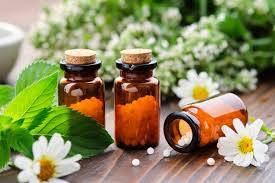
Many herbs have been used for centuries to support women’s health. Some can be very helpful for easing afterpains. They work in different ways.
Some calm the nerves. Others reduce inflammation. Some even help the uterus contract more efficiently.
It’s important to choose herbs that are safe for breastfeeding mothers. Always use high-quality herbs from reputable sources. If you are unsure, talk to your healthcare provider or a qualified herbalist.
Helpful Herbs to Consider:
- Shepherd’s Purse: This herb is known for its ability to help the uterus contract and stop bleeding. It’s often used in tincture form.
- Yarrow: Yarrow is another herb that can help with bleeding. It also has antispasmodic properties, meaning it can help ease cramps.
- Cramp Bark: As its name suggests, this herb is excellent for muscle cramps. It can help relax the uterine muscles.
- Motherwort: This herb is known for its calming effects. It can help ease anxiety and promote relaxation, which can indirectly ease pain.
How to Use: Herbs can be taken as teas, tinctures (liquid extracts), or capsules. Follow dosage instructions carefully. Discuss with your healthcare provider before using any herbal remedies, especially if you are breastfeeding.
Gentle Movement and Positioning
While rest is crucial, gentle movement can also help. It can encourage blood flow. It can help your uterus contract.
It can also prevent stiffness. Pay attention to your body. Don’t push yourself too hard.
The way you position yourself can also make a difference. Certain positions can relieve pressure on your uterus. They can help ease the cramping.
Movement and Position Tips:
Walk Gently: Short, slow walks around your home can be beneficial. They help with circulation. They can also prevent blood clots.
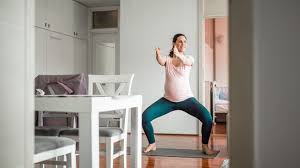
Pelvic Tilts: While lying on your back with knees bent, gently tilt your pelvis up. This can help relieve some pressure. Do this a few times a day.
Side-Lying: Lying on your side can sometimes feel more comfortable. It may reduce the intensity of the cramps.
Hands-and-Knees: Spending time on your hands and knees can help gravity assist your uterus. It can help it shift and contract in a less painful way.
Avoid Pressure: Try not to lie flat on your back for too long. This can put pressure on your abdomen.
Breathing and Relaxation Techniques
Stress and tension can make pain feel worse. Learning to relax can be a powerful tool for managing afterpains. Your breathing is a direct link to your nervous system.
Deep, slow breaths can signal to your body that it’s safe to relax.
These techniques are also great for new mothers in general. They can help you cope with the demands of caring for a newborn. They can promote a sense of calm.
Simple Relaxation Methods:
Deep Diaphragmatic Breathing: Lie down or sit comfortably. Place one hand on your chest and the other on your belly. Breathe in slowly through your nose, feeling your belly rise.
Breathe out slowly through your mouth, feeling your belly fall. Focus on making your exhale longer than your inhale.
Guided Imagery: Close your eyes and imagine a peaceful place. Focus on the sights, sounds, and smells of this place. Let yourself feel calm and relaxed.
Mindful Moments: Even a few minutes of quiet can help. Sit and focus on your senses. What do you see, hear, smell, taste, and feel?
This can ground you.
Gentle Music: Listening to calming music can help soothe your nervous system.
Aromatherapy for Comfort
Essential oils can offer comfort and relaxation. They are used in aromatherapy. They are inhaled or applied to the skin.
They can have a profound effect on mood and well-being. For afterpains, certain oils can be particularly helpful.
It is crucial to use essential oils safely. They must be diluted properly. They should not be ingested.
Always use pure, therapeutic-grade oils. And always patch-test on a small area of skin first. Consult with your healthcare provider before using essential oils, especially if you are breastfeeding or have any health conditions.
Calming Essential Oils:
Lavender: Known for its calming and relaxing properties. It can help ease pain and promote sleep.
Chamomile: Similar to chamomile tea, this oil has soothing and anti-inflammatory benefits.
Clary Sage: This oil is often used for women’s health issues. It can help ease muscle cramps and promote relaxation.
Frankincense: Known for its grounding and calming effects. It can also have anti-inflammatory benefits.
How to Use:
- Diffusion: Add a few drops to an essential oil diffuser. Let the aroma fill the room.
- Topical Application: Dilute a few drops of essential oil with a carrier oil (like coconut or almond oil). Gently massage onto your lower abdomen.
Dilution Ratio: For adults, a 1-2% dilution is generally recommended. This means 6-12 drops of essential oil per ounce (30ml) of carrier oil.
When to Seek Professional Help
While afterpains are normal, there are times when you need to call your doctor or midwife. It’s important to know the signs that might indicate a problem. Your health and well-being are paramount.
Trust your intuition. If something feels wrong, it’s always best to get it checked out. Your healthcare provider is there to support you through your recovery.
Red Flags to Watch For:
Severe Pain: If the pain is unbearable or doesn’t ease at all with natural remedies or prescribed pain relief.
Heavy Bleeding: If you are soaking through a pad in an hour or passing large clots (larger than a golf ball).
Fever: A temperature of 100.4°F (38°C) or higher can be a sign of infection.
Foul-Smelling Discharge: This can also indicate an infection.
Pain with Urination: This could signal a urinary tract infection.
Pain in One Leg: This could be a sign of a blood clot.
Long-Term Comfort and Healing
The postpartum period is a time of significant change. Afterpains are just one part of this. By focusing on gentle care and self-compassion, you can navigate this time more comfortably.
Remember to be patient with yourself. Your body has done an incredible job.
The natural remedies discussed here are not just for immediate pain relief. They are also supportive of your overall healing. Staying hydrated, eating well, and practicing relaxation will benefit you long after the afterpains fade.
They lay a foundation for a healthy and strong recovery.
As you settle into life with your new baby, remember these simple strategies. They are readily available. They are effective.
And they are deeply connected to the wisdom of your own body. You are doing great, mama. Be gentle with yourself.
Celebrate the small victories. And trust in your body’s amazing ability to heal.
Frequently Asked Questions About Afterpains
What are afterpains and why do they happen?
Afterpains are cramps your uterus has as it shrinks back to its normal size after childbirth. This process is called involution. It helps stop bleeding and clear out any remaining matter.
Breastfeeding can also cause them to intensify.
How long do afterpains usually last?
Afterpains are typically strongest in the first 2-3 days after birth. They can continue for up to a week. Some women may feel them for a bit longer, but they usually fade over time.
Is it normal for afterpains to be worse when breastfeeding?
Yes, it is very normal. Breastfeeding releases oxytocin, a hormone that causes your uterus to contract. These contractions can lead to more noticeable afterpains during or after nursing.
Can I take pain medication for afterpains?
Yes. Over-the-counter pain relievers like ibuprofen or acetaminophen are often recommended by doctors. Always follow your healthcare provider’s advice on medication dosage and safety, especially if you are breastfeeding.
What are some effective natural remedies for afterpains?
Natural remedies include applying heat (hot water bottle, warm bath), staying well-hydrated, eating nutritious foods, using gentle herbal teas like raspberry leaf or chamomile, gentle movement, and relaxation techniques like deep breathing.
When should I worry about my afterpains?
You should contact your doctor if the pain is severe and unmanageable, if you experience heavy bleeding, fever, foul-smelling discharge, or pain with urination. These could be signs of a complication.
Can diet affect afterpains?
Yes, a healthy diet rich in fiber and fluids can help prevent constipation, which can worsen abdominal discomfort. Staying hydrated is crucial for overall healing and can help ease cramping.
Wrapping Up Your Afterpains Journey
Afterpains are a temporary part of postpartum recovery. They signal your body’s incredible healing process. By understanding them and using gentle, natural remedies, you can find comfort.
Be kind to yourself. Rest when you can. And remember that this phase will pass, leaving you stronger and more connected to your new little one.