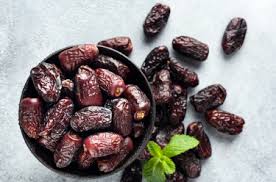
The best time to eat dates for potential labor benefits is generally considered to be in the final weeks of pregnancy, typically after week 36. Some sources suggest starting around 37 or 38 weeks. Eating them consistently during this period allows your body to potentially respond to their natural compounds. It’s always a good idea to talk to your doctor or midwife before making significant dietary changes late in pregnancy.
The Real Scoop on Dates and Pregnancy
Dates are sweet fruits. They come from the date palm tree. Many cultures have used them for a long time.
Some traditional beliefs suggest they can help with childbirth. We’re going to look at what science says. We’ll also share what people have experienced.
This is about understanding if dates can truly offer dates before labour benefits.
This isn’t about magic fixes. It’s about giving your body the best support. We’ll explore how dates might help.
We’ll also talk about when to eat them. And what to expect. Your body is amazing.
It knows how to do this. Sometimes, a little natural boost can be a welcome thing.
What Are Dates, Really?
Dates are more than just a sweet treat. They are packed with good stuff. Think of natural sugars.
These give you energy. They also have fiber. Fiber is important for digestion.
Dates contain minerals like potassium and magnesium. They also have some vitamins.
The specific types of dates most often talked about are Medjool and Deglet Noor. Both are sweet and chewy. They are easy to eat.
They can be a simple part of your daily diet. This makes them easy to try if you’re curious.
My Own Date Experience
I remember being pregnant with my second child. I was so focused on getting everything ready. The nursery was done.
The hospital bag was packed. But I felt a little anxious about the labor itself. My midwife mentioned trying a few dates a day in the last month.
She said it was an old practice that some women found helpful.
Honestly, I was skeptical. I loved dates, but as a pre-labor aid? It seemed a bit simple.
Still, I decided to give it a go. I started eating about three to four Medjool dates each day after my 36th week. They were delicious.
It felt like a healthy snack. I didn’t notice anything dramatic right away. But in the final days leading up to my due date, I felt a sense of calm.
My body felt more ready. When labor did start, it felt manageable. I’m not saying the dates were the only reason.
But they were part of my preparation. And that felt good.
Quick Scan: Date Nutrients
Energy: Natural sugars provide quick energy.
Fiber: Aids digestion and can help with regularity.
Minerals: Contains potassium and magnesium, important for muscle function.
Antioxidants: May help protect cells.
How Dates Might Help Labor
So, how can a simple fruit potentially help with something as big as labor? Scientists and health experts point to a few key areas. These are mostly related to the natural compounds found in dates.
One main idea is about the cervix. The cervix is the lower, narrow part of your uterus. It needs to soften and open for birth.
Some research suggests that compounds in dates might mimic oxytocin. Oxytocin is a hormone that helps the uterus contract. It also plays a role in cervical ripening.
Dates also have natural sugars. These can provide energy. Labor is a marathon.
Having a good energy source is important. The fiber in dates can also help. It can prevent constipation.
This is something many pregnant people deal with. A comfortable digestive system can make a difference.
Think of it like preparing a garden. You want the soil to be ready. Dates might help make your body’s “soil” more receptive for labor to begin and progress.
This is about creating an environment where things can happen more smoothly.
The Science Behind the Sweetness
Research into dates before labour benefits is still growing. But some studies are quite promising. One often-cited study looked at pregnant women in their last few weeks of pregnancy.
These women were split into two groups. One group ate dates for the last four weeks of pregnancy. The other group did not.
The results showed that the women who ate dates were more likely to go into labor naturally. They also reported less need for medical induction. Their labors tended to be shorter.
And their cervixes were more dilated when they arrived at the hospital.
This suggests that the effect might be real. It’s not just an old wives’ tale. The compounds in dates seem to have a positive influence on the body’s readiness for labor.
It’s like giving your body a gentle nudge in the right direction.
Myths vs. Reality: Dates and Labor
Myth: Eating dates will instantly start labor.
Reality: Dates may help prepare the body, but they don’t typically induce labor suddenly. They are best eaten consistently in the last weeks.
Myth: Any sweet fruit will have the same effect.
Reality: While other fruits have nutrients, dates are believed to contain specific compounds that target cervical ripening and uterine sensitivity.
Myth: You have to eat a lot of dates.
Reality: A moderate amount, like 3-6 dates per day, is usually recommended. Too much can cause digestive upset.
When to Start Eating Dates
This is a really important point. Timing matters. You don’t want to start eating dates too early in your pregnancy.
The goal is to support your body as it naturally prepares for labor. This preparation typically ramps up in the final weeks.
Most experts and studies suggest starting around 36 weeks of pregnancy. Some even say 37 or 38 weeks is ideal. This is when your body is naturally getting closer to labor.
Eating them from this point until labor begins is thought to be most effective.
Starting earlier might not provide the same targeted benefit. Plus, dates are sweet. Eating them in large amounts throughout pregnancy could add extra sugar and calories.
For the last few weeks, though, they can be a healthy, functional food choice.
How Many Dates Should You Eat?
You don’t need to go overboard. A small number of dates each day is usually enough. Think about 3 to 6 dates per day.
This is a common recommendation. It’s a good amount to get potential benefits without overdoing it.
Eating too many dates could lead to digestive issues. Some people might experience stomach upset or diarrhea. This is due to their high fiber content and natural sugars.
So, moderation is key. Listen to your body.
It’s best to spread them out through the day. Maybe have one with breakfast, one as a snack, and one after dinner. This helps keep your energy steady.
It also makes them a pleasant part of your routine.
Different Ways to Enjoy Dates
Eating dates is easy. You can eat them plain. That’s how I usually had them.
Just pop them out of the box and enjoy. The natural sweetness is usually satisfying.
But if you want to mix it up, there are other ways. You can stuff them with a nut, like an almond or a walnut. This adds a nice crunch and extra protein.
You can also chop them up and add them to oatmeal or yogurt.
Some people blend them into smoothies. Just make sure the rest of the smoothie is balanced. Don’t add too much extra sugar.
You can also chop them and add them to muffins or energy bars. Just remember to keep the overall sugar content in mind. The simplest way is often the best for this purpose.
Practical Tips for Date Consumption
Keep them visible: Place a bowl of dates on your kitchen counter. This is a gentle reminder to eat them.
Pair with protein: Eating dates with a few nuts can help stabilize blood sugar.
Hydrate: Drink plenty of water when increasing fiber intake.
Listen to your body: If you experience any digestive discomfort, reduce the amount.
What Does This Mean For You?
If you are in the late stages of pregnancy, thinking about dates is a simple step. It’s a natural option. It can be a part of your overall birth preparation plan.
It’s about supporting your body. It’s about feeling like you are doing something proactive.
When you start eating dates, pay attention. Notice how you feel. Do they give you a little energy boost?
Do you feel more comfortable digestion-wise? These are good signs. They indicate your body is responding well.
It’s important to remember that every pregnancy is different. Dates are not a guarantee. They won’t force labor to start.
They are a tool to help your body be more receptive. The real work of labor is still done by you and your amazing body.
When to Talk to Your Doctor or Midwife
This is super important. Always discuss any dietary changes with your healthcare provider. This includes adding dates to your diet, especially in late pregnancy.
They know your health history. They can give you advice tailored to you.
Ask them about the right timing. Ask them if there are any reasons you should not eat dates. For example, if you have gestational diabetes, your doctor will want to monitor your sugar intake carefully.
They can help you decide if dates fit into your meal plan.
Your doctor or midwife is your best resource. They can help you understand the potential dates before labour benefits in the context of your personal pregnancy journey. Don’t hesitate to ask them questions.
It’s what they are there for.
The Role of Other Nutrients
While dates get a lot of attention, it’s good to remember they are part of a bigger picture. Your overall nutrition matters greatly throughout pregnancy. And especially in these final weeks.
Minerals like magnesium are crucial. Magnesium helps with muscle relaxation. It can also play a role in uterine contractions.
Dates do contain magnesium. But you get it from other foods too. Leafy greens, nuts, seeds, and whole grains are also good sources.
Potassium is another mineral found in dates. It helps maintain fluid balance in the body. It’s important for nerve and muscle function.
Again, you find potassium in many fruits and vegetables.
Focusing on a balanced diet rich in fruits, vegetables, lean proteins, and whole grains will support your body. Dates can be a wonderful addition to this healthy eating plan during the last weeks of pregnancy.
Contrast: Normal vs. Concerning Labor Signs
Normal Early Signs:
- Braxton Hicks contractions (irregular, usually painless tightening)
- Lightening (baby drops lower in the pelvis)
- Cervical changes (softening, thinning, slight dilation – your doctor can check)
- Increased energy or nesting instinct
Concerning Signs (Contact Doctor Immediately):
- Sudden severe headache
- Vision changes
- Sudden swelling, especially in hands and face
- Vaginal bleeding (more than spotting)
- Leaking of fluid from the vagina
- Fever
- Decreased fetal movement
Note: Dates do not cause these concerning signs. They are unrelated to labor preparation.
Common Questions About Dates and Labor
Can eating dates cause miscarriage?
Click to see answer
No, for most women, eating dates in moderation in the last weeks of pregnancy is considered safe and is not linked to causing miscarriage. In fact, the traditional use and some research suggest they may help prepare for labor, not prevent it. It’s always best to check with your doctor if you have any specific concerns.
How long does it take for dates to help labor?
Click to see answer
The effects are not immediate. It’s believed that consistent consumption over the last 4-6 weeks of pregnancy is what helps prepare the body. The benefits are thought to build up over time, rather than happening overnight.
What if I don’t like dates?
Click to see answer
If you truly dislike dates, don’t force yourself. While they might offer potential benefits, they are not essential for a healthy labor. Focus on other aspects of birth preparation, like staying hydrated, eating well, and practicing relaxation techniques.
Your healthcare provider can suggest other ways to support your body.
Are Medjool dates better than other types for labor?
Click to see answer
Medjool dates are often recommended because they are large, soft, and widely available. Deglet Noor dates are also commonly used. The exact type may matter less than the fact that you are consuming dates regularly.
Both types offer similar nutritional profiles of sugars, fiber, and minerals.
Will eating dates make my baby bigger?
Click to see answer
No, there is no evidence to suggest that eating dates will make your baby grow significantly larger. The natural sugars in dates provide energy for you. Any impact on fetal growth comes from your overall diet and the baby’s own development.
Is it safe to eat dates if I have gestational diabetes?
Click to see answer
This is a very important question. If you have gestational diabetes, you need to be very cautious with any foods high in natural sugars. While dates have benefits, they can also raise blood sugar levels.
You must discuss this with your doctor or a registered dietitian. They can advise if dates are appropriate for you, and in what quantities.
Final Thoughts on Dates and Your Birth Journey
Preparing for labor is a unique journey for every person. Eating dates can be a simple, natural way to support your body in those final weeks. It’s about looking at what nature provides.
It’s about giving your body a little extra help to do what it’s designed to do.
Remember, this is just one piece of the puzzle. Focus on a healthy lifestyle. Stay connected with your healthcare team.
And trust your body. Wishing you a smooth and positive birth experience.