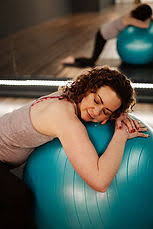
Hypnobirthing is a birth preparation method that uses relaxation, visualization, and breathing techniques. It aims to reduce fear and tension during labor. Many believe it can lead to a more comfortable and positive birth experience. It focuses on the body’s natural ability to birth.
Understanding Hypnobirthing
Hypnobirthing is not about being hypnotized in a trance. It is about deep relaxation. You learn to relax your mind and body.
This helps you feel more in control. It teaches you to work with your body. It does not fight the birthing process.
Think of it like learning to swim. The water is there, and your body knows how to float. You just need to learn the right strokes.
Hypnobirthing teaches you those strokes for labor. It’s about managing your responses to the sensations of birth. It uses tools like deep breathing and guided imagery.
These help you stay calm and focused.
The goal is to reduce fear. Fear can cause tension. Tension can make labor feel harder.
Hypnobirthing aims to break this cycle. It helps
Many hypnobirthing programs exist. They often involve classes. You can also find books and online courses.
The core principles are similar. They all focus on relaxation and mindset. Learning these skills takes practice.
Like any skill, the more you practice, the better you get. This preparation starts before labor. It helps you feel ready.
It builds trust in yourself and your birth partner.
My Own Hypnobirthing Journey
I remember feeling so overwhelmed when I was pregnant with my first. Everyone told me birth was painful. Birth stories I heard were scary.
I felt a knot of anxiety in my stomach. Then, a friend told me about hypnobirthing. I was skeptical.
How could relaxation help with what everyone said was agony? But I was desperate for a different experience. So, I signed up for a local class.
The instructor, Sarah, was so calming. She showed us simple breathing exercises. We learned to visualize our bodies opening gently.
It felt a bit silly at first. But as we practiced, I felt a genuine shift.
I started doing the relaxation exercises every day. I would listen to guided meditations. I pictured my body working perfectly.
I repeated positive affirmations. It started to feel normal. My husband joined me for some sessions.
He learned how to support me. He learned to be my calm anchor. By the time my due date arrived, I wasn’t as scared.
I still knew it would be intense. But I felt prepared. When labor started, I used my breathing.
It helped me focus. It made the waves of sensation feel manageable. I wasn’t fighting them.
I was moving through them. It wasn’t pain-free, but it was so much calmer than I feared. That feeling of control and peace was priceless.
Key Elements of Hypnobirthing
- Deep Relaxation: Learning to calm your mind and body.
- Breathing Techniques: Using special breaths to manage sensations.
- Visualization: Picturing a calm and positive birth.
- Affirmations: Positive statements to build confidence.
- Education: Understanding the body’s natural birthing process.
- Partner Support: Teaching partners how to help.
The Science Behind Hypnobirthing
Does science back up hypnobirthing? Yes, it does. It taps into the body’s natural stress response.
When you are scared, your body releases adrenaline. Adrenaline can slow down labor. It can increase pain perception.
Hypnobirthing helps you avoid this. It encourages the release of endorphins. Endorphins are your body’s natural pain relievers.
They are like nature’s morphine. Deep relaxation also releases oxytocin. This hormone helps your uterus contract effectively.
It also promotes bonding.
Think about how your body reacts to stress. Your muscles might tense up. Your heart rate might increase.
This is the fight-or-flight response. Birth is not a fight. It is a natural process.
Hypnobirthing helps shift your body from fight-or-flight to rest-and-recreate. This state is much more conducive to birth. Your body can work more efficiently.
You feel more in tune with it. The techniques used are rooted in psychology. They are about changing your perception of sensations.
They help you reframe discomfort. Instead of seeing it as pain, you learn to see it as work. It’s the work your body is doing to bring your baby safely into the world.
Studies have looked at hypnobirthing. Some research shows it can lead to shorter labor times. Others suggest it reduces the need for medical pain relief.
It also seems to improve birth satisfaction. Women who use hypnobirthing often report feeling more empowered. They feel more in control of their birth.
This is a significant benefit. A positive birth experience can impact postpartum well-being. It can affect bonding with your baby.
It can also influence future pregnancies.
Mind-Body Connection in Birth
Fear Response: Adrenaline release can increase tension and pain.
Relaxation Response: Endorphins and oxytocin are released, easing pain and aiding labor.
Perception Shift: Techniques help view sensations as normal work, not just pain.
Real-Life Experiences with Hypnobirthing
Many parents share their positive hypnobirthing stories. Sarah from Ohio told me, “I was so scared of a C-section. My first birth was an emergency C-section.
With my second, I did hypnobirthing. I breathed through every contraction. My husband was amazing, reminding me of my techniques.
I had a vaginal birth. It was intense, but I felt so strong and calm. It was the opposite of my first birth.
I credit hypnobirthing for that.”
Another parent, Mark, shared, “My wife really wanted to try it. I went to the classes with her. I wasn’t sure at first.
But seeing her so calm during labor was incredible. When she needed me, I knew exactly what to do. I could remind her to breathe.
I could hold her hand and stay calm myself. It made us a team. The midwife even commented on how peaceful the room was.”
Not every birth is perfect, even with hypnobirthing. Sometimes medical interventions are needed. But even in those situations, parents often find the tools helpful.
They can still manage their emotions. They can communicate their needs better. The feeling of preparedness and self-efficacy is powerful.
It’s about having tools to cope. It’s about empowering yourself. It’s about aiming for the best possible experience, whatever that looks like for you.
Stories of Success
Example 1: A mother used breathing techniques to manage contractions, leading to a calm vaginal birth.
Example 2: A partner felt more involved and able to support effectively using hypnobirthing tools.
Example 3: Even when interventions were needed, parents felt more empowered to cope.
When is Hypnobirthing Most Effective?
Hypnobirthing is often most effective when started early in pregnancy. This gives you time to practice the techniques. Regular practice is crucial.
It helps embed the relaxation response. It becomes second nature. The earlier you start, the more you can integrate it into your daily life.
This builds a strong foundation of calm. It allows you to truly internalize the methods.
It also works best when both parents or birth partners are involved. When your support person understands the techniques, they can help you. They can be your guide during labor.
They can remind you to breathe. They can help create a calm environment. Their presence and support are vital.
A supportive partner can significantly enhance the hypnobirthing experience. They become your advocate and anchor.
Consistency is key. Doing relaxation exercises for a few minutes each day is better than one long session weekly. Treat it like learning any new skill.
The more you put into it, the more you will get out of it. It’s about building a mental and physical resilience. This prepares you for the intensity of labor.
It’s not just about the birth day itself. It’s about the entire journey of pregnancy and birth.
Factors for Success
- Early Start: Begin practice early in pregnancy.
- Consistent Practice: Daily sessions are most effective.
- Partner Involvement: Support person actively participates.
- Belief and Mindset: Openness to the techniques.
- Quality Instruction: Learning from a reputable source.
What to Expect from Hypnobirthing Classes
Hypnobirthing classes vary. But most cover similar ground. You’ll learn about the body’s natural birth process.
This helps demystify birth. You’ll learn deep relaxation techniques. This includes breathing exercises.
You’ll practice guided imagery and visualization. These are tools to help you relax and focus. You’ll also learn about the role of fear.
You’ll get strategies to manage it. Positive affirmations are usually included. These help build confidence and a positive mindset.
Your birth partner will also learn their role. They learn how to support you.
Classes often include handouts and audio recordings. These help you practice at home. You might discuss different birth scenarios.
You’ll learn how to communicate with your medical team. The aim is to make you feel informed and prepared. You are not just passively attending.
You are actively learning skills. You are building your confidence for birth. It’s an investment in a calmer, more positive experience.
The classes empower you. They give you a sense of agency over your birth.
The atmosphere in classes is usually calm and supportive. You’re with other expecting parents. You can share experiences and concerns.
It’s a space to learn without judgment. The instructors are usually experienced parents or birth professionals. They have seen the benefits firsthand.
They are there to guide you. They want you to feel ready and capable. It’s a journey of learning and preparation.
Class Content
- Birth Physiology Explained
- Deep Breathing Exercises
- Relaxation and Visualization
- Fear Management Tools
- Positive Affirmations
- Partner’s Role in Support
Common Misconceptions about Hypnobirthing
There are a few common myths about hypnobirthing. One is that it guarantees a pain-free birth. Hypnobirthing is not about eliminating sensation.
It’s about changing your experience of it. It helps you manage discomfort. It makes it feel more like pressure or waves.
These sensations are your body working. It helps you stay calm and focused through them. It’s about reducing your suffering from the sensations, not eliminating the sensations themselves.
Another myth is that you lose control. This is the opposite of what happens. Hypnobirthing is about gaining control.
It gives you tools to manage your body and mind. You are awake and aware throughout. You are in charge of your responses.
You are an active participant. It helps you feel empowered, not passive. You are not under someone else’s command.
You are working with your body’s natural power.
Some people think it’s only for “natural” births or those who want to avoid medication. While it is often chosen by those aiming for unmedicated births, it can benefit anyone. It helps manage pain and anxiety regardless of your birth plan.
If you do need medical interventions, the relaxation skills are still invaluable. They help you cope with the situation. They help you stay as calm as possible.
Myth vs. Reality
| Myth: Pain-free birth. | Reality: Manages sensations and reduces suffering. |
| Myth: Loss of control. | Reality: Enhances control and empowerment. |
| Myth: Only for unmedicated births. | Reality: Beneficial for all birth plans. |
How Hypnobirthing Can Help During Labor
During labor, hypnobirthing techniques can be incredibly useful. When a contraction begins, instead of tensing up, you use your breathing. You might take a slow, deep breath in.
You then exhale slowly, releasing tension. You focus on the sensation. You tell yourself, “This is okay.
My body knows what to do.” This repeated positive self-talk can be powerful. It counters the instinct to panic.
Visualization is another tool. You might imagine your cervix opening like a flower. Or you might picture yourself floating on a calm sea.
These mental images help your body relax. They distract your mind from focusing on discomfort. Your birth partner can help guide these visualizations.
They can remind you of the calm place you imagined.
The deep relaxation helps conserve energy. Labor can be long. Being able to relax between contractions is vital.
It allows your body to rest. It prepares you for the next one. This is crucial for endurance.
It prevents exhaustion. You are working smarter, not just harder. Your body is better equipped to handle the demands of labor.
Labor Tools in Action
Contraction Management: Use breathing to relax through waves.
Mental Focus: Visualization helps stay calm and centered.
Energy Conservation: Relaxation between contractions helps you rest.
Empowerment: Feeling in control of your responses.
Is Hypnobirthing Right for Everyone?
Hypnobirthing is a wonderful tool for many. However, it might not resonate with everyone. Some people find it difficult to relax deeply.
Others may have strong beliefs about pain during birth. It’s important to approach it with an open mind. If you are very skeptical, it might be harder to get the full benefit.
It’s also important to remember that it is a skill. It requires practice. If you don’t have the time or energy to commit to practicing, the results might be limited.
The effectiveness relies on consistent effort. It’s not a magic wand. It’s a learned technique.
It requires dedication to learn and implement.
Ultimately, what matters most is that you feel informed and empowered. Hypnobirthing is one of many paths to a positive birth. Explore your options.
See what feels right for you and your family. If you’re curious, trying a class or reading a book is a low-commitment way to see if it fits. The goal is a birth experience that feels right for you.
When to Consider Hypnobirthing
You might consider hypnobirthing if you have anxiety about birth. If you’ve heard scary stories, it can help calm those fears. If you want to feel more in control during labor, it offers tools.
If you desire a more comfortable birth, it can help. It’s also a great option for partners. It gives them a clear role and way to support.
If you are planning a vaginal birth, it can be very beneficial.
It’s also helpful if you want to understand your body better. Learning about the physiology of birth can be empowering. It can reduce the fear of the unknown.
If you want to avoid or reduce the need for medical pain relief, hypnobirthing can support that goal. It teaches you to tap into your body’s natural pain management systems.
If you’re looking for a holistic approach to birth preparation, hypnobirthing fits well. It addresses the mind, body, and emotions. It’s about creating a positive birth mindset.
It’s about feeling prepared and confident. It’s about working with your body’s natural instincts.
Who Might Benefit Most?
- Those with birth anxiety.
- Individuals wanting more control during labor.
- Couples seeking a team approach to birth.
- People aiming for a more comfortable birth experience.
- Those wanting to understand birth physiology.
Alternatives to Hypnobirthing
Hypnobirthing is not the only way to prepare for birth. Childbirth classes are common. They cover a range of topics.
They discuss labor, delivery, and postpartum care. Lamaze is another method. It focuses on breathing and relaxation.
It also teaches comfort measures. Different approaches emphasize different aspects. Some focus more on movement and positions.
Others might focus on massage techniques.
There are also mindfulness-based approaches. These focus on being present in the moment. They help you accept sensations as they come.
Yoga for pregnancy can also be very helpful. It builds strength and flexibility. It teaches breathing and relaxation.
Many people combine different methods. They create a birth plan that suits them. What works best is very personal.
It depends on your beliefs and what feels right to you.
The key is to find what empowers you. What helps you feel calm and prepared. Explore different options.
Talk to your healthcare provider. They can offer guidance. You can also talk to other parents.
Their experiences can be very valuable. Ultimately, you want to feel ready for your baby’s arrival.
Other Birth Preparation Methods
General Childbirth Education: Covers various aspects of labor and delivery.
Lamaze: Focuses on breathing and comfort techniques.
Mindfulness Practices: Emphasizes present moment awareness.
Prenatal Yoga: Builds strength, flexibility, and relaxation.
Maximizing Your Hypnobirthing Practice
To get the most out of hypnobirthing, consistency is vital. Schedule your practice sessions. Treat them like any other important appointment.
Use guided audio tracks. Listen to them daily. Find a quiet, comfortable place.
Minimize distractions. This helps you enter a deeper state of relaxation.
Involve your partner as much as possible. They are your key support. Practice together.
They can help you with affirmations. They can guide your visualizations. They can also practice relaxation techniques themselves.
This helps them stay calm during labor. A calm support person makes a huge difference.
Don’t be afraid to adapt the techniques. If a certain visualization doesn’t resonate, try another. The goal is to find what works for you.
The principles are flexible. The aim is to achieve deep relaxation and a positive mindset. Celebrate small successes.
Notice how you feel after each practice session. This positive reinforcement can be motivating. It helps build confidence in the method.
Practice Tips
- Schedule It: Make time for practice daily.
- Use Resources: Utilize audio tracks and guided meditations.
- Involve Partner: Practice together for support.
- Adapt Techniques: Find what resonates with you.
- Be Consistent: Regular practice yields the best results.
Does Hypnobirthing Actually Work?
So, to answer the big question: does hypnobirthing actually work? For many people, the answer is a resounding yes. It works by empowering parents.
It teaches them tools to manage fear and anxiety. It helps them work with their bodies. It promotes relaxation.
This can lead to a more positive birth experience. It can reduce the intensity of discomfort. It can foster a sense of control and calm.
The scientific principles behind it are sound. The mind-body connection is powerful. By learning to relax and stay positive, you can influence your physical experience.
Real-life stories and studies support its effectiveness. It’s not about magic, but about learned skills. These skills can transform how you approach birth.
It works best when approached with dedication and an open mind. It’s a tool to enhance your birth experience. It helps you feel more prepared and confident.
For many, it leads to the birth they hoped for. It helps make the journey calmer and more empowering.
Conclusion
Hypnobirthing offers a powerful way to prepare for birth. It’s built on relaxation and mindset shifts. It helps manage fear and promotes calm.
Many parents find it incredibly effective. It empowers them to have a more positive birth experience. It’s a skill that takes practice.
But the benefits can be profound. It helps you feel ready and in control. Consider exploring it for your own journey.
What is the main goal of hypnobirthing?
The main goal of hypnobirthing is to help you achieve a calm, relaxed, and positive birth experience. It teaches techniques to manage fear and tension, allowing your body to work more efficiently during labor.
Does hypnobirthing mean I won’t feel any pain?
Hypnobirthing does not promise a pain-free birth. Instead, it aims to change your perception of labor sensations. It helps reduce suffering and makes discomfort feel more manageable, often like pressure or waves, rather than overwhelming pain.
How soon should I start hypnobirthing practice?
It is recommended to start hypnobirthing practice as early in your pregnancy as possible. This allows ample time to learn, practice, and internalize the techniques for maximum benefit during labor.
Can my partner learn hypnobirthing too?
Yes, partner involvement is highly encouraged. Hypnobirthing classes often include modules for partners, teaching them how to effectively support you during labor by using techniques and creating a calm environment.
What if I need medical interventions during birth?
Hypnobirthing techniques are still beneficial even if medical interventions are needed. The skills of relaxation, deep breathing, and staying calm can help you cope better with any medical procedures or changes to your birth plan.
Is hypnobirthing the same as regular hypnosis?
No, hypnobirthing is different from traditional hypnosis. It is a self-hypnosis technique focused on deep relaxation and self-empowerment. You remain conscious and in control throughout the process, using learned techniques to manage your responses to labor.