Getting ready for childbirth is a big journey. Many expecting parents feel a mix of excitement and worry. They want to be as prepared as possible.
One common question is about what they can do physically. This is where exercises come in. Doing the right kinds of movements can make a real difference.
Preparing for labor involves exercises that build strength, flexibility, and stamina. These movements aim to ease discomfort, promote good posture, and help your body cope with the demands of childbirth. Focus on safe, low-impact activities that you can do consistently. Remember to consult your doctor before starting any new exercise program.
Understanding Labor Preparation Exercises
Childbirth is a marathon. Your body needs to be ready for it. Think of it like training for a big race.
You wouldn’t just show up on race day without preparing. Labor preparation exercises are all about that training.
These exercises aren’t about building big muscles. They focus on building specific kinds of strength. They also help your body become more flexible.
This makes it easier to move and find comfort. It can also help your baby move into the best position for birth. The goal is to help your body work efficiently and with less strain.
Many women worry about pain during labor. While exercise can’t eliminate pain, it can help your body manage it better. Stronger muscles can help you push more effectively.
Better flexibility can help your pelvis open up. This can lead to a smoother birth process. It’s about empowering your body.
We’ll talk about different types of exercises. Some are for strength. Others are for flexibility.
Some are specific to helping baby get into position. We’ll cover what to do and what to avoid. The focus will always be on safety and what feels right for you.
My Experience With Labor Prep
I remember when I was pregnant with my first child. I felt so out of my depth. Everyone gave advice, but it was hard to know what was best for me.
I was working a lot and felt tired. The idea of exercising seemed like just another chore. But I knew it was important.
I felt this deep need to be strong for the birth.
One afternoon, I was sitting at my desk. My back was aching terribly. My belly felt heavy and awkward.
I could feel my posture changing. It was a small moment, but it hit me. I needed to do something.
I started with simple stretches I found online. Just moving my arms and rolling my shoulders felt good. Then I tried some gentle walking.
Soon, I found a prenatal yoga class. It was like a lightbulb went off. The instructor showed us how to move our hips.
She taught us how to breathe deeply. We did poses that felt so good for my tight hips. I felt a sense of calm and control I hadn’t felt before.
It wasn’t just about the physical benefits. It was about feeling connected to my body and my baby. That feeling of preparedness grew with each class.
Key Benefits of Labor Preparation
Improved Strength: Helps with pushing and stamina.
Increased Flexibility: Eases movement and pelvic opening.
Better Posture: Reduces back pain and discomfort.
Pain Management: Can help your body cope with labor pains.
Easier Recovery: Prepares your body for the postpartum period.
Core Strength for Childbirth
Your core muscles are super important. They aren’t just your abs. They include your back muscles, pelvic floor, and diaphragm.
These muscles work together to support your growing belly. They also help with pushing during labor.
A strong core helps take pressure off your back. It can help you stand and move more easily. During labor, these muscles are vital for bearing down.
This helps your baby move down and out.
Pelvic Floor Exercises (Kegels)
The pelvic floor is a group of muscles at the bottom of your pelvis. These muscles support your bladder, uterus, and bowels. Doing Kegels is like doing a silent workout that pays off big time.
How to do them:
- Imagine you are trying to stop the flow of urine.
- Or imagine you are trying to stop yourself from passing gas.
- Tighten those muscles.
- Hold for a few seconds.
- Then relax them.
Start by holding for 3 seconds and relaxing for 3 seconds. You can do this 10 times in a row. Try to do this three times a day.
You can do Kegels sitting, standing, or lying down. You can do them anywhere. It’s a discreet way to build strength.
It’s important to relax these muscles too. If you only tighten them, they can become too tight. This can cause problems.
So, make sure you feel a full release after each squeeze.
Diaphragmatic Breathing
This is deep belly breathing. It uses your diaphragm, a large muscle under your lungs. This type of breathing is key for managing labor.
It helps you relax and get oxygen to yourself and your baby. It also helps your pelvic floor. When you breathe deeply, your diaphragm moves down.
This movement helps your pelvic floor relax. A relaxed pelvic floor is important for labor. It needs to be able to stretch and open.
Deep breathing helps this happen. It’s also a great way to calm down if you feel anxious.
How to do it:
- Sit or lie down comfortably.
- Place one hand on your chest and the other on your belly, just below your ribs.
- Inhale slowly through your nose.
- Try to make your belly rise. Your hand on your belly should move outward. Your hand on your chest should move very little.
- Exhale slowly through your mouth, like you are gently blowing out a candle.
- Let your belly fall naturally.
Practice this several times a day. Make it a habit. It will feel natural during labor.
It’s a tool for strength and peace. It also helps get more oxygen to your baby. This is always good.
Core Muscle Quick Facts
Core Muscles: Pelvic floor, diaphragm, back, and abdomen.
Main Job: Support your growing baby and help with pushing.
Kegels: Strengthen the pelvic floor for better bladder control and pushing.
Diaphragmatic Breathing: Helps relax, manage pain, and open the pelvis.
Flexibility and Mobility Exercises
Being flexible is key for labor. It helps your body move and adapt. Your pelvis needs to be able to open.
Your hips need to move freely. This allows your baby to find the best path.
Stiff hips can make labor harder. They can also cause more discomfort during pregnancy. Exercises that focus on hip mobility are very beneficial.
They help you find comfortable positions too.
Hip Circles and Pelvic Tilts
These movements are gentle but very effective. They help loosen up your lower back and hips. They also encourage your baby to move into a good position.
Pelvic Tilts:
- Get on your hands and knees.
- Your hands should be under your shoulders. Your knees should be under your hips.
- As you exhale, gently round your lower back, tucking your tailbone under. Imagine drawing your belly button towards your spine.
- As you inhale, arch your back gently. Let your belly drop slightly. Stick your tailbone out.
Do this slowly and smoothly. Focus on the movement in your lower back and pelvis. This helps relieve back pain.
It also helps your baby move.
Hip Circles:
- While on your hands and knees, lift one knee slightly.
- Slowly move that knee in a circle.
- Make the circle as big as feels comfortable.
- Try to move your hip, not just your knee.
- Do this in both directions.
- Switch legs.
These movements help lubricate your hip joints. They also help stretch the muscles around your hips. This can make a big difference when you are trying to find a good labor position.
Squats
Squats are a powerhouse exercise for labor prep. They are one of the best ways to open your pelvis. They also build strength in your legs and glutes.
These muscles are important for supporting you during labor.
Modified Squats:
- Stand with your feet shoulder-width apart.
- You can hold onto a chair or wall for balance.
- Slowly lower your hips back and down, as if you are sitting in a chair.
- Keep your chest up and your back straight.
- Go down as far as feels comfortable. Your knees should not go past your toes.
- Push through your heels to stand back up.
You can also do wall squats. Stand with your back against a wall. Slide down until your knees are bent.
Hold for a few breaths. Then slide back up. These are great for building endurance.
As your pregnancy progresses, you can try deeper squats. Or you can try squatting using a birth ball. The key is to keep your knees open.
This helps your pelvis open more.
Flexibility Focus
Goal: Open pelvis, free hips, reduce back strain.
Key Moves: Pelvic tilts, hip circles, squats.
Breathing: Deep, slow breaths help with relaxation during stretching.
Listen to your body: Never push into pain. Modify as needed.
Movement and Positions for Labor
Moving during labor is crucial. It can help manage pain. It can help baby descend.
Staying in one position can make labor longer and more tiring.
Think about gravity. Positions that let you use gravity are often very helpful. These include standing, walking, and kneeling.
Walking and Lunges
Simple walking is fantastic. It helps your baby engage. It helps your cervix dilate.
Even a short walk can make a difference.
Forward lunges can also be helpful. They open up the hips. They also build leg strength.
You can do them with support if needed.
How to do a lunge:
- Step forward with one leg.
- Lower your hips.
- Keep your front knee bent over your ankle.
- Your back leg should be straight but not locked.
- Push off with your front foot to return to standing.
- Switch legs.
You can do small lunges or larger ones. The goal is to feel a stretch in your hip flexor. This can be very relieving.
It also helps strengthen your legs.
Birth Ball Exercises
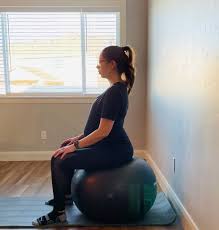
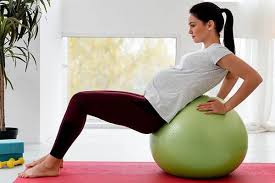
A birth ball, or exercise ball, is a wonderful tool. You can use it for sitting, bouncing, and gentle movements. Sitting on the ball allows you to move your hips freely.
Sitting and Bouncing:
- Sit on the ball with your feet flat on the floor.
- Keep your knees bent at about 90 degrees.
- Gently bounce up and down.
- You can also make gentle hip circles or side-to-side movements.
This can help relieve pressure. It can help your baby settle into a good position. It also helps with back labor.
The gentle motion is very soothing.
Leaning Over the Ball:
- Kneel on the floor.
- Place the birth ball in front of you.
- Lean forward and rest your chest and head on the ball.
- Allow your back to relax.
This position is great for relieving back pressure. It also gives your belly support. It’s a very restful position.
Movement During Labor
Why Move? Helps baby descend, manages pain, speeds labor.
Gravity is Your Friend: Upright positions (walking, squatting) are helpful.
Birth Ball Benefits: Hip mobility, back pain relief, baby positioning.
Try It: Gentle bouncing, hip circles, leaning over the ball.
Prenatal Yoga and Stretching
Prenatal yoga is a wonderful practice. It combines stretching, breathing, and mindfulness. It’s designed specifically for pregnant bodies.
Yoga can help you build strength. It also improves your flexibility and balance. The breathing techniques are invaluable for labor.
They help you stay calm and focused.
Specific Poses to Try
Many yoga poses can be adapted for pregnancy. Here are a few good ones:
- Cat-Cow Pose: We already talked about this as pelvic tilts. It’s a staple for back comfort.
- Child’s Pose: A very restful pose. It gently stretches your hips and back.
- Warrior Poses: These build leg strength and open the hips. You can modify them to be very stable.
- Bound Angle Pose (Butterfly Pose): This is excellent for opening the hips and groin. It’s done by bringing the soles of your feet together.
Remember to listen to your body. Never force a stretch. Use props like blocks or blankets if you need them.
Static Stretches
Simple static stretches are also very useful. These are stretches you hold for a period of time.
- Hamstring Stretch: Sit with one leg extended. Gently lean forward from your hips. You should feel a stretch in the back of your thigh.
- Quad Stretch: Stand and hold onto something for balance. Bend one knee and gently pull your foot towards your buttock.
- Inner Thigh Stretch: Sit with the soles of your feet together. Gently let your knees fall open. You can gently press down on your knees if it feels good.
Hold each stretch for 20-30 seconds. Breathe deeply while you hold it. Stretching helps release tension.
This can make a big difference in your comfort level.
Prenatal Yoga & Stretching
What it is: Gentle movements, breathing, and relaxation.
Key Poses: Cat-Cow, Child’s Pose, Warrior, Bound Angle.
Benefits: Strength, flexibility, balance, pain relief, stress reduction.
Important: Always listen to your body and modify.
Strength Training for Pregnancy
While not the primary focus, some gentle strength training can be helpful. It supports your body as it carries the extra weight of pregnancy.
Focus on functional movements. These are movements that mimic everyday activities. They help build strength in a practical way.
Bodyweight Exercises
You don’t need weights to get stronger. Your own body is a great tool.
- Modified Push-ups: Do push-ups on your knees or against a wall. This builds upper body strength.
- Glute Bridges: Lie on your back with knees bent. Lift your hips off the floor. This strengthens your glutes and hamstrings.
- Calf Raises: Stand and lift up onto your toes. This strengthens your calf muscles.
Always use good form. If you feel any pain, stop. It’s better to do fewer reps with good form than many with poor form.
Using Light Weights (Optional)
If you were lifting weights before pregnancy, you can often continue. But you must use much lighter weights. Your body is changing, and you need to be careful.
Focus on exercises like:
- Bicep curls
- Triceps extensions
- Shoulder presses
Always consult with your doctor or a prenatal fitness specialist. They can help you decide what is safe and appropriate for you. The goal is to maintain strength, not to build new muscle mass.
Gentle Strength
Focus: Maintaining functional strength.
Methods: Bodyweight exercises (modified push-ups, glute bridges).
Light Weights: Use caution and consult your doctor.
Key: Good form over heavy lifting.
Exercises to Avoid or Modify
It’s as important to know what NOT to do as what TO do. Some exercises are not safe during pregnancy. Others need to be modified.
Always listen to your body. If something feels wrong, stop. If you have any concerns, talk to your doctor.
High-Impact Activities
Avoid activities that have a high risk of falling. This includes things like skiing, horseback riding, or contact sports. These can be dangerous for you and your baby.
Also, avoid exercises with a lot of jarring movements. This could include jumping or high-intensity aerobics. The hormones released during pregnancy can make your ligaments more stretchy.
This increases your risk of injury.
Exercises on Your Back
As your pregnancy progresses, especially after the first trimester, avoid lying flat on your back for extended periods. This position can put pressure on a major vein (the vena cava). This can reduce blood flow to your uterus.
Many abdominal exercises are done on your back. You’ll need to modify these or find alternatives. Crunches and sit-ups are generally not recommended.
They can put too much strain on your abdominal muscles.
Deep Twisting Movements
While gentle, slow rotations are okay, avoid deep, forceful twisting of your torso. Your abdominal muscles are stretching. Deep twists can put too much pressure on them.
Focus on controlled movements. Movements that come from your hips and pelvis are much safer and more beneficial.
Overheating
Pregnant women can overheat more easily. Avoid exercising in very hot and humid conditions. Stay hydrated.
If you start to feel dizzy or nauseous, stop and rest.
Exercises to Be Cautious With
Avoid: High-impact, risk of falls, overheating.
Modify: Lying on your back (after 1st trimester), deep twists.
Listen: If it feels wrong, stop. Consult your doctor.
When to Consult Your Doctor
It’s always a good idea to talk to your healthcare provider before starting any new exercise program during pregnancy. They can give you personalized advice based on your health history and pregnancy.
You should definitely talk to your doctor if you experience any of these:
- Vaginal bleeding
- Dizziness or fainting
- Shortness of breath before starting exercise
- Headache
- Chest pain
- Muscle weakness
- Calf pain or swelling
- Decreased fetal movement
- Leaking amniotic fluid
- Preterm labor
These could be signs of a complication. Exercise should make you feel good. It should not cause alarm.
Your doctor is your best resource for staying safe and healthy.
FAQ: Your Questions About Labor Exercises
What are the most important exercises for labor preparation?
The most important exercises focus on building core strength (pelvic floor, diaphragm), improving hip flexibility, and increasing stamina. Think of Kegels, diaphragmatic breathing, squats, pelvic tilts, and gentle walking or bouncing on a birth ball.
Can I start exercising if I wasn’t active before pregnancy?
Yes, but start very slowly. Begin with gentle walks and basic Kegels. Always talk to your doctor first.
They can help you create a safe plan for your pregnancy. The goal is to build gentle stamina and prepare your body, not overexert yourself.
How often should I do labor preparation exercises?
Consistency is key. Aim for daily or almost daily practice of your core exercises like Kegels and deep breathing. For flexibility and strength, try to do gentle movements like squats and pelvic tilts a few times a week.
Listen to your body and don’t push too hard.
Is it safe to do squats during pregnancy?
Yes, squats are highly recommended for labor preparation. They help open the pelvis and build leg strength. Start with modified squats, holding onto something for support.
As you get more comfortable, you can try deeper squats or use a birth ball. Always ensure your knees don’t go past your toes and avoid pain.
What are good exercises for back labor pain?
For back labor, exercises that help relieve pressure and encourage movement are best. These include pelvic tilts, hip circles, leaning over a birth ball, and gentle rocking. Staying mobile and changing positions frequently can also help manage back pain during labor.
When should I stop exercising during pregnancy?
You should stop exercising immediately and consult your doctor if you experience any bleeding, dizziness, chest pain, unusual shortness of breath, severe headache, or signs of preterm labor. Also, avoid exercising if you feel unwell or overly fatigued. Your doctor will provide specific guidelines.
Final Thoughts on Preparing Your Body
Preparing your body for labor is a journey of connection and strength. It’s about getting to know your body and what it can do. These exercises are tools to help you feel more confident and capable.
Remember to be patient with yourself. Every pregnancy is different. What works for one person might not work for another.
Focus on what feels good and what your body needs. Your doctor is your best partner in this. Stay informed, stay active, and embrace the incredible process of bringing a new life into the world.