Understanding optimal fetal positioning is key for a smoother birth. Gentle exercises and mindful movements can encourage baby to settle head-down, which is usually best for delivery. This guide helps you learn how to support your baby’s position comfortably and effectively.
Understanding Baby’s Position
Baby’s position inside the womb changes a lot. This is normal! From about 20 weeks on, babies have enough room to move and flip.
As pregnancy progresses, space gets tighter. This makes big flips harder.
Doctors and midwives check baby’s position. They do this during your prenatal visits. They feel your belly.
They might also use an ultrasound. The goal is to know where baby’s head, back, and feet are. This helps them predict how birth might go.
What is Optimal Fetal Positioning?
The best position for birth is often called “vertex” or “cephalic.” This means baby is head-down. Their chin is tucked towards their chest. Their back is facing one of your sides.
This is like a little diver ready to go.
Why is this position so good? Baby’s head is the largest part. It’s also the hardest part to get through the birth canal.
When it’s tucked and facing down, it’s the smallest part that comes first. The back facing forward also helps baby navigate the pelvis.
Sometimes, baby might be “sunny side up.” This means their head is down. But their face is looking up. This can sometimes make labor longer.
It might also feel more intense. We’ll talk about how to help baby turn to a more favorable position.
Why Does Baby’s Position Matter?
A baby in the optimal head-down position usually means a smoother labor. It helps baby’s head mold to your pelvis. This can make the pushing stage more effective.
It’s the natural way for birth to happen.
If baby isn’t head-down closer to your due date, it doesn’t always mean trouble. But it can mean the birth process is different. For example, if baby is breech (feet or bottom first), vaginal birth might not be recommended.
Or it might be more challenging.
Knowing baby’s position helps your care provider. It helps them plan for your birth. It also helps you feel more in control.
You can try simple things to encourage baby to get into that good spot.
My Own Experience with Fetal Positioning
I remember the first time I really thought about baby’s position. I was about 34 weeks pregnant with my second child. My midwife did her usual belly check.
She said, “Hmm, baby is still a bit high and maybe not quite perfectly aligned.”
A little knot of worry formed in my stomach. I had such a straightforward birth with my first. The thought of things being “different” or “more complicated” felt overwhelming.
I just wanted everything to go as smoothly as possible. I asked my midwife what I could do. She smiled kindly and said, “Don’t worry too much yet.
There’s still time. And there are gentle ways to encourage baby.”
That night, I felt a bit anxious. I pictured my baby, a tiny person, just lounging around in there, not getting ready. I decided to try some of the things she suggested.
I started spending more time on my hands and knees. I focused on sitting up straight when I was awake. It felt like a small thing, but I felt like I was actively doing something.
It gave me a sense of peace.
A week later, at my next appointment, my midwife did her check again. This time, her face broke into a big smile. “Perfect!” she announced.
“Head down, back to your left side. Exactly where we want you.” I felt such a wave of relief. It showed me that a little bit of effort and knowing what to do can make a real difference.
Baby’s Positions Explained
Cephalic (Head Down): This is the most common and ideal position. Baby’s head is pointing towards your cervix. Their chin is tucked in.
Breech (Bottom or Feet First): Baby’s bottom or feet are pointing towards the birth canal. There are different types: complete, footling, and frank breech.
Transverse (Sideways): Baby is lying horizontally across your uterus. This is less common and usually requires intervention.
Occiput Posterior (OP) or “Sunny Side Up”: Baby is head-down, but their face is looking up towards your pubic bone. This can sometimes lead to longer labors.
Gentle Exercises for Optimal Positioning
You can help baby get into the best position. These are not hard workouts. They are gentle movements.
They encourage baby to tuck their chin. They help create space for baby to turn.
The main idea is to get your pelvis tilted forward. This helps gravity work for you. It makes it easier for baby to turn head-down.
1. Pelvic Tilts
This is a super simple one. You can do it in many places. It helps tilt your pelvis forward.
How to do it:
- On your hands and knees, arch your back like a cat.
- Then, drop your belly towards the floor.
- Hold for a few seconds.
- Repeat this 5-10 times.
You can also do this standing. Gently tuck your tailbone under. Then release.
It’s like a little wiggle.
Pelvic Tilt Variations
On Hands and Knees: This is great for opening your pelvis. It lets gravity help.
Standing: Good for quick tilts throughout the day. Easier when you can’t get on the floor.
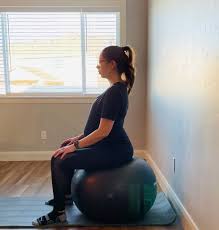
Sitting on a Birthing Ball: Gently rock your hips back and forth. This also helps tilt your pelvis.
2. Hands and Knees Position
This position is a miracle worker for many! It takes pressure off your back. It opens up your pelvis.
It lets baby move freely.
How to do it:
- Get on your hands and knees.
- Keep your knees hip-width apart.
- Keep your hands directly under your shoulders.
- Let your belly hang down.
- Relax your back.
You can stay in this position for a few minutes. Do it several times a day. It’s great for resting too.
Some people call this the “all fours” position.
3. Child’s Pose
This is a relaxing yoga pose. It’s very similar to hands and knees. It gently stretches your back.
It can help baby shift.
How to do it:
- Start on your hands and knees.
- Slowly sit your hips back towards your heels.
- Let your chest rest on your thighs.
- Extend your arms forward or let them rest by your sides.
- Rest your forehead on the floor.
Breathe deeply. Stay here for 30 seconds to a minute. Repeat a few times.
This feels so good!
4. Forward-Leaning Inversion (Use with Caution!)
This one sounds a bit intense. But it’s done gently. It uses gravity to help baby turn.
It’s best to talk to your care provider before trying this.
How to do it:
- You need a sturdy surface, like a sofa or bed.
- Put pillows on the floor in front of it.
- Kneel on the floor.
- Lean forward, resting your arms on the pillows.
- Your hips should be higher than your head.
Stay like this for only 10-20 seconds. Do it 1-2 times a day. The idea is to let gravity gently encourage baby to flip.
Because you are only there for a short time, it’s considered safer.
Important Note: Do NOT do this if you have high blood pressure. Or if you have heartburn. Or if you feel dizzy.
Always get approval from your doctor or midwife first.
Quick Check: Is Baby in a Good Spot?
Feel for the Lump: Baby’s head is a hard, round lump. Their bottom is softer and wider.
Feel for the Back: Baby’s back feels like a firm, long surface.
Feel for the Kicks: You usually feel kicks lower down if baby is head-down. You might feel them higher up if baby is breech.
Ask Your Care Provider: They are the best at telling you baby’s position.
Daily Habits to Encourage Good Positioning
It’s not just about exercises. Your daily life matters too! How you sit, stand, and move can help.
5. Avoid Slouching
When you sit, try to sit up straight. Avoid sinking into deep couches or chairs. These make you slouch.
Slouching rounds your back. It closes up your pelvis.
Try this:
- Use a pillow behind your lower back when sitting.
- Sit on the edge of your chair.
- Keep your feet flat on the floor.
A birthing ball is great for sitting. You can rock your hips gently. This helps create space for baby.
6. Walk, Walk, Walk!
Walking is excellent for pregnancy. It helps baby engage with your pelvis. It helps baby settle into a good position.
It also helps with labor when it starts.
How often: Aim for a brisk walk most days. Even 15-20 minutes helps.
What to wear: Comfortable shoes are a must. Make sure you stay hydrated.
7. Sleep on Your Side
Doctors often recommend sleeping on your left side. This helps blood flow to the baby. It also helps prevent you from lying flat on your back.
Lying on your back can put pressure on a large vein. This vein brings blood back to your heart. Sleeping on your side also helps open up your pelvis.
Tip: Use pillows. Place one between your knees. Put another one behind your back.
This makes side sleeping more comfy.
Sitting Smart for Baby
Use a Birthing Ball: Great for gentle rocking and tilting.
Edge of the Chair: Sit forward to keep your spine straight.
Avoid Deep Couches: They encourage slouching.
Feet Flat: Good posture starts with a stable base.
When Baby’s Position Isn’t Ideal
What if baby is breech or transverse? Don’t panic! This is where professional help comes in.
External Cephalic Version (ECV)
This is a procedure done by your doctor or midwife. They use their hands to try and turn baby. It’s usually done after 37 weeks.
It’s done in a hospital setting.
They will use an ultrasound to see baby. Then they will try to gently guide baby head-down. They will monitor you and baby closely.
It is not always successful. But it can be a good option.
Acupuncture and Moxibustion
Some studies suggest these methods can help. Acupuncture uses needles. Moxibustion uses heat.
Both are applied to specific points on the body.
The idea is that these points can relax muscles. They can also stimulate movement. It’s thought to help baby turn naturally.
This is often done by trained practitioners.
Chiropractic Care
Some chiropractors specialize in prenatal care. They focus on the alignment of your pelvis. The theory is that a balanced pelvis gives baby more room to turn.
This is often called the Webster Technique. It’s about balancing the pelvis. It’s not about forcing baby to turn.
It’s about creating a good environment.
Things to Avoid That Can Hinder Positioning
Constant Slouching: Rounds your back and limits pelvic space.
Lying Flat on Your Back: Can compress blood flow and encourage baby to stay put.
Crossing Legs Tightly: Can restrict pelvic movement.
Wearing Restrictive Clothing: Tight pants or waistbands can feel uncomfortable and limit movement.
What This Means For You
Understanding fetal positioning is empowering. It means you can actively participate in preparing for birth.
When It’s Normal
It’s totally normal for baby to change position often. Especially in the earlier weeks. Even up to 32-34 weeks, baby can still turn.
Don’t stress if baby isn’t head-down early on.
Many babies get into the right position on their own. Your body is amazing. It knows what to do.
When to Talk to Your Provider
If you are past 36 weeks and baby is still not head-down, talk to your care provider. They will have a plan. They can discuss options like ECV.
Don’t hesitate to ask questions. Your provider is there to help you. They want the best outcome for you and your baby.
Simple Checks You Can Do
While not as accurate as a medical professional, you can feel some things.
- Hard Lump: Baby’s head feels like a hard, round ball. You might feel it near your ribs or lower down.
- Soft Lump: Baby’s bottom feels softer and a bit more irregular.
- Movement: If you feel strong kicks way down low, baby might be head-up. If you feel kicks higher up, baby might be head-down.
These are just clues. They aren’t a diagnosis. Always rely on your doctor or midwife.
Tips for Encouraging Baby’s Turn
Here are some simple tips to help baby get comfy head-down.
- Spend time on your hands and knees. This is great for creating space.
- Gentle rocking movements. Sit on a birthing ball and rock your hips.
- Listen to music. Some people place music near their belly. They believe baby turns towards the sound.
- Talk to your baby. Encourage them to get into the best position.
- Stay active. Walking is fantastic.
- Relax. Stress can make muscles tense.
What “Engaged” Means
Head Engaged: When baby’s head has dropped down into your pelvis. This usually happens in late pregnancy.
Floating: Baby’s head is still high and moves freely.
Not Engaged by Due Date: This is common. It doesn’t automatically mean problems. Your provider will monitor it.
Frequently Asked Questions
When should I start worrying about my baby’s position?
For most pregnancies, it’s normal for babies to change position up until about 34-36 weeks. Don’t worry too much before then. If you are nearing your due date and baby is not head-down, your care provider will discuss options with you.
They will guide you on the best steps.
Can exercises actually make my baby turn?
Yes, gentle exercises and specific postures can help create space in your pelvis. They encourage baby to move into the optimal head-down position. These methods help gravity and your body’s natural alignment support the baby’s turn.
They are not forceful but rather encouraging.
What if my baby is breech, can I still have a vaginal birth?
For some breech positions, a vaginal birth might be possible. However, it depends on many factors. Your doctor or midwife will assess your specific situation.
They will consider the type of breech, your pelvis, and other health factors. Often, a Cesarean section is recommended for breech babies.
How can I tell if my baby’s head is down?
You might feel strong kicks lower down in your belly if baby’s head is down. You might also feel baby’s hiccups lower down. If baby’s head is up, you’ll likely feel kicks higher up.
Your care provider is the best person to confirm baby’s position accurately.
Is the forward-leaning inversion safe?
The forward-leaning inversion can be helpful but should be done with caution and only after talking to your doctor or midwife. It’s a brief inversion, so your hips are higher than your head for only about 20 seconds. It’s not suitable for everyone, especially if you have high blood pressure or severe heartburn.
Can sleeping positions affect my baby’s position?
Yes, how you sleep can play a role. Sleeping on your side, especially your left side, is generally recommended. It helps with blood flow and can prevent you from lying flat on your back.
This position can also help keep your pelvis open, allowing baby more room to move.
Final Thoughts
It’s natural to want the best for your baby. Understanding how they are positioned is part of that. Remember, your body is amazing.
Gentle movements and mindful habits can make a difference. Trust your instincts and your care team. You’ve got this!