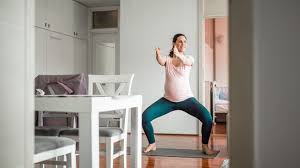
When you’re planning for a natural birth, you want to feel strong and ready. Many people wonder about exercises that can help. Squats are one such exercise. They can make a big difference.
This article will tell you all about squats for natural birth. We’ll cover why they are good. We will also show you how to do them right. You will learn when to do them too.
Squats for natural birth are exercises that strengthen pelvic muscles and improve flexibility. They can help open the pelvis and make pushing easier. This can lead to a smoother and more natural labor process for many expecting mothers.
The Power of Squats for a Natural Birth
Imagine your body working with you during labor. That is the goal. Squats can help you get there. They do more than just build leg strength. They also prepare your pelvic area.
Why Squats Matter
Your pelvis is like a passageway. During birth, it needs to open up. Squats help make this happen. They can increase the space in your pelvis. This gives your baby more room to move down.
Pelvic Opening
Squats help to tilt your pelvis forward. This opens the lower part of your pelvis. Think of it like opening a door wider. A more open pelvis means less pressure. It also means easier passage for the baby.
Stronger Muscles
Giving birth uses a lot of muscles. Squats work your glutes and thighs. These are important muscles. Stronger muscles can help with pushing. They can also help you recover faster.
Flexibility
Birth requires your body to be flexible. Squats help loosen your hips and inner thighs. This can reduce discomfort during labor. It also helps your body adjust as the baby moves.
Circulation
Being pregnant can cause swelling. Squats can improve blood flow. Better circulation is good for you and the baby. It helps bring nutrients to the baby. It also helps remove waste.
Pain Relief
Many women experience back pain in late pregnancy. Squats can help ease this. By strengthening your core and hips, they support your lower back. This can make a big difference in comfort.
How Squats Prepare Your Body
Think of your body as a team. Every part needs to be ready. Squats help get your pelvic team in shape. They teach your body to relax and open. This is key for a natural birth.
My Own Squat Journey
I remember being very nervous about labor. I wanted a natural birth. A friend told me about squats. At first, I thought, “Just squats?” But I tried them. I was about seven months pregnant. My back often hurt. My hips felt tight.
I started doing simple squats. I held onto a chair for balance. At first, it was hard. My legs felt shaky. But I kept at it. I did them every few days. Slowly, I noticed a change. My back pain lessened. I could move more easily.
The biggest surprise came later. During labor, I felt a sense of calm. When it was time to push, I instinctively moved into a squatting position. It felt natural. The movement helped. It didn’t feel like a huge struggle. I felt connected to my body’s rhythm. It was an amazing feeling. That experience showed me how powerful simple exercises can be.
Getting Started with Squats: Safe Techniques
Doing squats correctly is vital. You don’t want to hurt yourself. Always listen to your body. If something feels wrong, stop.
Basic Wall Squats
This is a great starting point. It gives you extra support.
1. Find a wall. Stand with your back to it.
2. Place your feet. Step your feet about shoulder-width apart. Move them a little away from the wall.
3. Lean back. Let your back slide down the wall.
4. Lower down. Bend your knees. Slide down the wall until your thighs are almost parallel to the floor. Keep your back flat against the wall.
5. Hold. Stay in this position for a few seconds.
6. Push up. Use your leg muscles to push yourself back up.
7. Repeat. Do this 5 to 10 times.
Wall Squat Tips
Keep your knees behind your toes. This protects your knees.
Engage your core. Gently pull your belly button towards your spine.
Breathe. Inhale as you lower. Exhale as you push up.
Don’t go too low. Find a depth that feels comfortable and safe.
Supported Squats
You can use a chair or a sturdy counter for support.
1. Stand in front of a chair. Face away from it.
2. Place your feet. Stand with your feet shoulder-width apart. Point your toes slightly outward.
3. Lower down. Bend your knees. Lower your hips as if you are going to sit. Lightly touch the chair with your bottom.
4. Stand up. Push through your heels to stand tall again.
5. Repeat. Do 10 to 15 repetitions.
Bodyweight Squats (Once you feel stronger)
If you don’t need as much support, you can try this.
1. Stand tall. Feet shoulder-width apart. Toes slightly out.
2. Lower your hips. Bend your knees. Keep your chest up. Imagine sitting back into a chair.
3. Go as low as comfortable. Aim for thighs parallel to the floor.
4. Push up. Squeeze your glutes as you return to standing.
5. Repeat. Aim for 10 to 15 reps.
When to Start Squats
It’s never too early to think about your body’s readiness. However, it’s best to start safely.
Listen to Your Doctor
Always talk to your doctor or midwife before starting any new exercise. They know your health history. They can tell you if squats are safe for you.
Second Trimester is Often Ideal
Many women feel more energy in their second trimester. Morning sickness often subsides. This is a good time to start. You can build strength gradually.
Third Trimester Focus
In the third trimester, the focus shifts. Squats now help open the pelvis. They prepare you for labor and delivery. You might do fewer reps but focus on depth and control.
During Labor
Squatting during labor can be very effective. It helps gravity work for you. It opens your pelvis for the baby. You can hold onto your partner, a nurse, or a birth ball for support.
Squatting Positions in Labor
Supported Squat: Hold onto your partner or a stable object.
Birth Ball Squat: Lean against a birth ball placed against a wall.
Deep Squat: Lower down as far as comfortable, using support if needed.
What to Watch Out For
Your body is changing a lot. It’s important to be aware.
Pain is a Warning Sign
Never push through sharp or sudden pain. This includes knee pain, hip pain, or pelvic pain. It might mean you are doing the exercise wrong. Or it might mean it’s not right for you.
Dizziness or Nausea
If you feel dizzy or sick, stop. This can happen in pregnancy. It might be related to blood sugar. Or it could be from overexertion. Sit down and rest. Have a snack.
Pelvic Girdle Pain (PGP)
Some women experience PGP. This is pain in the joints of the pelvis. Squats might make this worse. If you have PGP, talk to your physical therapist. They can guide you on safe movements.
Diastasis Recti
This is when the abdominal muscles separate. Certain exercises can worsen it. If you have diastasis recti, modify your squats. Focus on core engagement. Avoid positions that cause your belly to dome outwards.
Signs to Stop Squatting
- Sharp pain in knees, hips, or back.
- Sudden dizziness or feeling faint.
- Increased pelvic pain.
- Bleeding or leaking fluid.
- Your abdomen doming outwards excessively.
Real-Life Scenarios with Squats
Let’s look at how squats fit into different pregnancy moments.
Scenario 1: The Weekend Warrior Mom-to-Be
Sarah loved staying active. She was 30 weeks pregnant. She enjoyed hiking and yoga. She started doing bodyweight squats regularly. She found they helped her feel strong for longer walks. She also noticed her leg strength improved. This made carrying her growing belly feel easier.
Scenario 2: The Office Worker Needing Relief
Maria worked at a desk all day. By the afternoon, her hips felt stiff. Her lower back would ache. She started doing wall squats during her breaks. Just two sets of 10. She would lean against the wall in a quiet corner. It was a small change. But it made a huge difference in her comfort. She felt less achy at the end of the day.
Scenario 3: The Laboring Mama’s Best Friend
During labor, Jessica was very uncomfortable on her back. Her midwife suggested squatting. Jessica held onto her husband’s hands. She lowered into a deep squat. It felt amazing. The pressure in her pelvis eased. She could breathe better. She stayed in that position for a while. It helped her feel more in control of her labor.
Squat Benefits in Action
Early Pregnancy: Build foundational strength.
Mid-Pregnancy: Improve energy and reduce aches.
Late Pregnancy: Open the pelvis and prepare for birth.
Labor: Use gravity to aid baby’s descent.
What Squats Mean for Your Birth Experience
Thinking about how exercises affect birth can be empowering. Squats are not a magic cure. But they are a powerful tool.
When Squats Are Just Right
Squats are great for most healthy pregnancies. They help women feel more prepared. They can contribute to a feeling of control during labor. Many women report that squatting during labor helped them manage pain. It felt more instinctive than other positions.
When to Be Cautious
If you have complications like placenta previa, preeclampsia, or severe PGP, squats might not be for you. Always follow your healthcare provider’s advice. They will guide you based on your specific situation.
Simple Checks You Can Do
Before or after a squat, check how you feel.
Pelvic Check: Does your pelvis feel more open or looser?
Comfort Check: Do you feel more comfortable moving?
Breathing Check: Can you breathe more freely?
These simple checks can show you the positive impact.
Making Squats Work for You
You don’t need fancy equipment. The best approach is consistent and safe.
Consistency is Key
Doing squats a few times a week is better than doing them intensely once. Aim for regularity. Even 10 minutes a day can make a difference.
Listen to Your Body’s Cues
Pregnancy is a time of constant change. Your body will tell you what it needs. Some days you might feel strong enough for deep squats. Other days, a gentle wall squat will be plenty.
Combine with Other Exercises
Squats are wonderful, but they are part of a bigger picture. Combine them with walking, prenatal yoga, or swimming. A well-rounded fitness plan is best.
Focus on Form Over Depth
It’s more important to do a squat with good form. This means keeping your back straight and knees safe. Don’t worry about going super low. Focus on controlled movements.
Quick Squat Checklist
Doctor Approved? Yes
Good Form? Yes
Pain Free? Yes
Breathing Steady? Yes
Feeling Stronger? Yes
Frequently Asked Questions About Squats for Natural Birth
Can squats help induce labor naturally?
Squats can help prepare your body for labor. They can encourage the baby to move lower into the pelvis. This might help start labor naturally for some women.
However, they are not a guaranteed induction method. Always talk to your doctor about ways to naturally encourage labor.
How many squats should I do per day?
It depends on your fitness level and how far along you are. Start with 5-10 repetitions a few times a week. Gradually increase as you feel stronger.
In the third trimester, you might do 10-15 reps with more focus on depth. Listen to your body and don’t overdo it.
Is squatting during labor safe for the baby?
Yes, squatting is generally very safe and beneficial for the baby during labor. It uses gravity to help the baby move down through the birth canal. This can shorten labor time and reduce the need for interventions.
Your healthcare provider will guide you on safe positions.
What if I have knee pain when doing squats?
Knee pain is a sign to stop or modify. Try wall squats with less depth. Ensure your knees track over your toes.
Avoid letting your knees cave inward. If pain persists, consult your doctor or a physical therapist. They can help identify the cause and suggest safe alternatives.
Can I do squats if I have back pain?
For many, squats can actually help reduce back pain by strengthening supporting muscles. However, if your back pain is severe or caused by specific conditions, you must consult your doctor first. Perform squats with good posture, keeping your spine neutral.
Wall squats can offer extra back support.
What is the difference between a squat and a deep squat?
A standard squat usually involves lowering your thighs to be parallel to the floor. A deep squat goes lower, with your hips sinking below your knees. For natural birth preparation, deep squats are often more beneficial as they open the pelvis more widely.
However, only go as deep as is comfortable and safe for you.
Putting It All Together
Thinking about your birth is a big deal. You want to feel prepared and strong. Squats are a simple, yet powerful, way to do that. They strengthen your body. They help your pelvis open. They can make a real difference in your labor experience.
Remember to start slow. Always listen to your body. Talk to your doctor. With the right approach, squats can be a wonderful part of your journey to natural birth. You’ve got this!