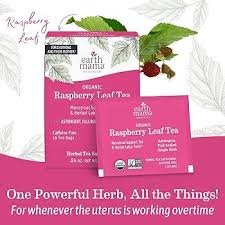
You’re getting close to your due date. Exciting times! But maybe you’re feeling a bit anxious too.
One thing many expectant parents wonder about is how to best prepare for labor. You might have heard whispers about things to try. Raspberry leaf tea is one of those things.
It’s often talked about. Does it really help? Let’s explore that together.
Raspberry leaf tea is a popular herbal drink. Many people believe it can help prepare the body for labor. It’s thought to tone uterine muscles. This might make labor shorter or easier for some. However, results vary for everyone. It’s always wise to talk to your doctor before trying it.
Understanding Raspberry Leaf Tea and Labor
Raspberry leaf tea is made from the dried leaves of the raspberry plant. It’s not about the berries you eat. It’s about the leaves of the plant, Rubus idaeus.
People have used it for a very long time. It’s been a traditional remedy for women’s health. This includes issues related to pregnancy and childbirth.
The main idea behind using raspberry leaf tea for labor is that it might help the uterus. The leaves contain compounds. These compounds are thought to make uterine muscles stronger.
They might also make the muscles more efficient. Think of it like training for a marathon. Your muscles get ready for the big event.
For labor, this could mean a few things. Some believe it helps the uterus contract more effectively. It might also help the uterus relax after contractions.
This could prevent it from cramping too hard. The goal is to have a more smooth and steady labor process. It’s not meant to start labor.
It’s meant to help your body work better when labor begins.
There’s a lot of talk about how it affects the cervix. Some think it might help the cervix soften and dilate. This part of labor is key.
It’s when your cervix opens up to let the baby pass through. If this happens more easily, it could speed things up. Or it could make the process less strenuous.
It’s important to know that research on raspberry leaf tea is ongoing. Not all studies agree. Some show benefits.
Others show little to no effect. This can be confusing for expecting parents. What works for one person might not work for another.
Your body is unique. Your pregnancy is unique.
The tea itself tastes mild. Some people describe it as earthy. You can drink it hot or cold.
Many women start drinking it in the last trimester of pregnancy. Usually, it’s around 32 to 34 weeks. This gives the body time to react to the compounds in the tea.
Starting too early is generally not recommended.
It’s a simple addition to your routine. You can find raspberry leaf tea in most health food stores. It comes in tea bags or as loose leaves.
You brew it like any other herbal tea. Boiling water and steeping the leaves for a few minutes is typical.
The active components in raspberry leaves are thought to include alkaloids, flavonoids, and tannins. These are plant compounds. They have various effects in the body.
Scientists are still studying exactly how these affect the uterus. But the traditional use suggests a real benefit for many.
It is crucial to remember that this tea is not a magic cure. It’s a tool that might help. It’s part of a larger picture of a healthy pregnancy.
Good nutrition, staying active, and following your doctor’s advice are also very important.
My Own Experience with Raspberry Leaf Tea
I remember being about 35 weeks pregnant with my second child. The first labor had been long. It felt like my body just didn’t quite know what to do.
I was tired and a bit scared about doing it all again. My midwife suggested I try raspberry leaf tea. I was skeptical, honestly.
I’d heard stories, but I wasn’t sure if it was just old wives’ tales.
So, I bought some loose leaf tea. It looked like dried herb leaves. I brewed my first cup.
It tasted… okay. Kind of like a mild green tea. I decided to drink one cup every day.
I kept a little journal of how I felt. I didn’t expect miracles. But I hoped it might make a difference.
As the weeks went by, nothing dramatic happened. I didn’t feel any different. My body didn’t seem to be changing in any obvious way.
I continued my daily cup. Then, when I was 39 weeks and 4 days, my water broke. Labor started soon after.
This time, things felt different right from the start.
The contractions were strong, but they felt more organized. My body seemed to know how to work with them. It wasn’t a constant, overwhelming push.
Instead, it was a wave that built, peaked, and then receded, giving me a moment to rest. The pushing stage was much shorter than my first labor. And honestly, it felt more manageable.
When my son was born, I was exhausted, of course. But I also felt a sense of accomplishment. It felt like my body had been better prepared.
Was it just the tea? I can’t say for sure. Maybe it was a combination of things.
My second pregnancy was also very healthy. I was active. I ate well.
But I do think the tea played a part.
It was a positive experience for me. It gave me a sense of agency. I was doing something proactive to prepare my body.
That feeling was valuable. It helped ease my anxiety about labor. It’s a simple thing to try.
And for me, it seemed to contribute to a smoother birth experience. That’s what I learned.
How to Use Raspberry Leaf Tea
When to Start: Most experts suggest starting in the last trimester, around 32-34 weeks of pregnancy. Always check with your doctor or midwife first.
Dosage: Start with one cup a day. You can gradually increase it to two or three cups a day as your due date gets closer, if your healthcare provider agrees.
Brewing: Use hot water. Steep one tea bag or about one to two teaspoons of loose leaves per cup. Let it steep for 5-10 minutes.
You can drink it hot or let it cool and drink it chilled.
Taste: Some people like it plain. Others add a little honey or lemon. Don’t add too much sugar.
It’s best to keep it simple.
Why is it Popular? The Benefits
Raspberry leaf tea has been used for centuries. This history gives it a certain authority. Women have passed down knowledge about it.
They’ve shared their experiences. This oral tradition makes it feel trustworthy for many. It’s not a new fad.
It’s something many generations have relied on.
The idea is that it tones the uterine muscles. This is the main theory. Stronger uterine muscles can contract more effectively.
This is crucial during labor. Efficient contractions help to dilate the cervix. They also help move the baby down the birth canal.
Think of your uterus as a powerful muscle. Toning it can make it work better when it needs to.
Another proposed benefit is helping the uterus relax. After a contraction, the uterus needs to relax. This allows blood flow to the placenta.
It also helps the mother rest. Some believe raspberry leaf tea helps prevent the uterus from becoming too tense. It aids in a more rhythmic and less painful labor.
Some women report that their labor is shorter when they drink raspberry leaf tea. This is a big draw. Who wouldn’t want a shorter labor?
While research is mixed, some studies do suggest a link. It might not shorten labor for everyone. But for some, it could lead to a more efficient process.
The tea is also thought to help with postpartum recovery. Some women use it after birth. They believe it helps the uterus contract back to its normal size.
This is called involution. It can also help reduce bleeding. However, its primary use is often focused on labor preparation.
It’s also an easy thing to incorporate into your day. You can buy it readily. It doesn’t require special preparation or equipment.
This makes it accessible for many pregnant people. It feels like a natural, gentle way to support your body. It’s not a medical intervention.
It’s an herbal support.
The compounds in the leaves, like fragarine, are thought to be responsible for its effects. Fragraine is a specific alkaloid. It is believed to act on smooth muscle tissue.
This includes the uterus. While more research is needed to confirm these mechanisms, the traditional evidence is strong.
It’s also important to note that the tea is generally safe for most pregnant women. This is when consumed in moderation during the third trimester. This safety aspect adds to its appeal.
People want natural options that are also safe for them and their babies.
Consider the psychological benefit too. Taking raspberry leaf tea can make you feel like you are actively doing something. You are preparing your body.
This can reduce anxiety. It gives you a sense of control. That feeling of empowerment is a significant benefit for many.
Quick Scan: Raspberry Leaf Tea Facts
- Traditional Use: Long history of use for women’s health.
- Main Theory: Tones uterine muscles for efficient contractions.
- Potential Benefits: May help shorten labor, ease transition.
- Active Compounds: Contains alkaloids like fragarine.
- Safety: Generally safe in third trimester for most.
- Preparation: Easy to brew at home.
Real-World Context: When and Where to Use It
Raspberry leaf tea is most commonly used in the United States and other Western countries. Its popularity has grown significantly over the past few decades. This is due to increased interest in natural childbirth.
It’s often recommended by midwives and doulas. Some doctors also support its use.
The decision to use it is a personal one. It depends on your comfort level and your doctor’s advice. Many women start using it at home.
They brew it in their kitchens. It becomes part of their daily routine. This can happen during the quiet moments of pregnancy.
Think about your pregnancy journey. You’re likely focused on nutrition. You’re probably getting enough rest.
You might be doing prenatal yoga or exercises. Raspberry leaf tea fits into this picture. It’s another way to support your body’s natural processes.
It’s not a replacement for medical care.
Where you get your tea matters. Look for reputable brands. Organic options are often preferred by pregnant women.
This ensures you’re not consuming pesticides. Loose leaf tea can be more potent than tea bags. But both can be effective.
The key is consistent use.
The environment in which you drink it also plays a role. Many women enjoy a cup in the morning. Others prefer it in the evening.
It can be a relaxing ritual. It’s a moment to pause and connect with your body. This mindful practice is beneficial during pregnancy.
Some women continue to drink it even after giving birth. They might use it to help their uterus contract. This is less common than using it for labor preparation.
But it’s part of the traditional use. Always consult your healthcare provider for postpartum advice.
It’s important to consider the timing. Starting too early might not be beneficial. And it could potentially cause uterine contractions before you are ready.
Most professionals advise waiting until at least 32 weeks. This is when the baby is likely viable. The uterus is more ready for labor.
What about when labor actually starts? Some women continue drinking it. Others stop.
There’s no strict rule. Some feel it helps keep contractions strong and regular. Others find that once labor begins, their body is already doing its job.
The decision is up to the individual and their medical provider.
Consider the quality of the leaves. The leaves should be vibrant green. They shouldn’t be faded or dusty.
This indicates freshness. Fresh leaves will have more of the beneficial compounds. This is true for most herbs.
You might also consider other herbs that are sometimes used alongside raspberry leaf tea. Some women use red clover or nettle. But it’s best to stick to one or two herbs at a time.
And always discuss any herbal use with your doctor.
Myth vs. Reality: Raspberry Leaf Tea
Myth: Raspberry leaf tea will start labor.
Reality: Raspberry leaf tea is not considered an abortifacient or an inducer. It’s meant to tone the uterus for when labor naturally begins.
Myth: It guarantees a pain-free, quick labor.
Reality: Every labor is different. The tea may help some women have more efficient labors, but it’s not a guarantee of a specific outcome.
Myth: You can drink it throughout your entire pregnancy.
Reality: It’s generally recommended to start in the third trimester. Using it earlier might be risky.
What This Means For You: When to Worry and When It’s Normal
For most healthy, full-term pregnancies, drinking raspberry leaf tea as recommended is generally considered safe. The main thing to watch for is how your body responds. Every pregnancy is different.
Your body might react differently to the tea.
When it’s normal:
You might feel your uterus contracting more regularly. These should feel like Braxton Hicks contractions, but maybe a little stronger or more frequent. Your cervix might start to feel softer or open a bit earlier than expected.
This is something your doctor or midwife can check. * You might just feel generally more prepared for labor. This feeling is hard to measure but very real for many women.
When to worry or talk to your doctor:
If you start having regular, strong contractions before 37 weeks of pregnancy. This could be preterm labor. Raspberry leaf tea is not meant to start labor early.
If this happens, stop the tea and call your doctor immediately. If you have any spotting or bleeding. This is always a reason to contact your healthcare provider.
If you have any concerns about your baby’s movements. Any change in fetal movement should be reported. If you have any high-risk conditions.
This includes placenta previa, preterm labor history, or any condition that makes your pregnancy high-risk. Your doctor will advise you on what’s best.
It’s crucial to have open communication with your healthcare provider. Share with them that you are considering or already using raspberry leaf tea. They can assess your individual pregnancy and give you personalized advice.
Sometimes, women have a history of preterm labor. In these cases, doctors often advise against raspberry leaf tea. They might also advise against sex or other activities that could stimulate contractions.
Your medical history is a key factor.
Another factor is the strength of the tea. If you make it very strong or drink a lot, it might have a more pronounced effect. It’s best to stick to recommended dosages.
Start slowly and see how you feel. You can always adjust based on your provider’s guidance.
Remember, the goal is to support your body’s natural process. It’s not to force anything. If the tea makes you feel uncomfortable, or if you have any doubts, it’s perfectly fine to stop drinking it.
Your intuition is important during pregnancy.
It’s also worth noting that some women just don’t find it helpful. Their labor proceeds as it would have without it. This is also normal.
Not every remedy works for everyone. The lack of a dramatic effect doesn’t mean anything is wrong with you or your pregnancy.
Simple Checks You Can Do
- Listen to your body: Pay attention to any changes or discomfort.
- Track contractions: If you notice more, note their strength and frequency.
- Monitor baby’s movements: Ensure they remain regular.
- Talk to your provider: Regularly update your doctor or midwife.
Quick Fixes & Tips for Using Raspberry Leaf Tea
When considering raspberry leaf tea, think of these as gentle tips. They are meant to help you use it wisely. They are not guaranteed results, but smart practices.
Start Slow: Don’t gulp down multiple cups on day one. Begin with one cup in the afternoon. See how your body feels over a few days.
If all is well, you can increase to two cups. Maybe one in the morning and one in the evening.
Choose Quality: Opt for organic, reputable brands. This ensures you’re getting good quality leaves without unwanted chemicals. Loose leaf tea often offers a richer flavor and potentially more benefits than pre-bagged tea.
Brew it Right: Use boiling water and steep for at least 5-10 minutes. This helps extract the beneficial compounds from the leaves. A longer steep time can result in a stronger brew.
Stay Hydrated: While the tea contributes to fluid intake, it’s essential to drink plenty of plain water too. Labor requires good hydration.
Listen to Your Body: This is the most important tip. If you experience any cramping, tightening, or discomfort that feels unusual, stop drinking the tea and consult your healthcare provider. Your comfort and safety are paramount.
Combine with Healthy Habits: Raspberry leaf tea works best as part of a holistic approach to pregnancy. Continue with a healthy diet, regular exercise (as approved by your doctor), and plenty of rest.
Don’t Expect Miracles: It’s a supportive herb, not a magic wand. Manage your expectations. The goal is to help your body prepare, but labor is a complex process with many variables.
Talk to Your Midwife/Doctor: Always, always discuss any herbal remedies with your healthcare provider. They know your specific health history and pregnancy needs. They can offer tailored advice on whether raspberry leaf tea is right for you and in what dosage.
Consider Taste: If you find the taste bitter, try adding a slice of lemon or a small amount of natural sweetener like honey (for those over one year old, but generally avoided in pregnancy unless advised). However, many women come to enjoy the earthy flavor.
Consistency is Key: For the tea to potentially have an effect, regular, consistent use throughout the third trimester is generally recommended. Sporadic use is less likely to yield results.
Quick Tips Summary
- Start slowly (one cup daily).
- Use organic, quality leaves.
- Brew for 5-10 minutes with boiling water.
- Drink extra water.
- Stop if you feel discomfort.
- Combine with other healthy pregnancy habits.
- Consult your doctor.
Frequently Asked Questions About Raspberry Leaf Tea for Labor
Can raspberry leaf tea really start labor?
No, raspberry leaf tea is not typically considered an agent that starts labor. It is thought to tone the uterine muscles, which may help them contract more effectively once labor naturally begins. It is not a labor inducer.
When should I start drinking raspberry leaf tea during pregnancy?
Most healthcare providers and herbalists recommend starting in the third trimester, usually around 32 to 34 weeks of pregnancy. This allows your body time to respond to the herb before labor is imminent.
How much raspberry leaf tea should I drink per day?
It’s recommended to start with one cup a day and gradually increase to two or three cups a day, if your body tolerates it well and your healthcare provider approves. Always follow their guidance.
What does raspberry leaf tea taste like?
The taste is often described as earthy or slightly grassy. Some people enjoy it plain, while others add a little lemon or honey to enhance the flavor. It’s not sweet on its own.
Are there any side effects or risks to drinking raspberry leaf tea?
For most healthy pregnancies, it is considered safe in moderation during the third trimester. However, some women might experience mild cramping or digestive upset. If you have a history of preterm labor or other high-risk conditions, you should avoid it or consult your doctor first.
Always monitor your body’s reaction.
Can I drink raspberry leaf tea if I have gestational diabetes?
If you have gestational diabetes, it’s very important to discuss any herbal teas with your doctor or a registered dietitian. They can advise you on whether it’s appropriate for your specific condition and ensure it doesn’t interfere with your blood sugar management. Avoid adding any sweeteners.
What is the active compound in raspberry leaf tea that is believed to help?
The herb contains several compounds, but the alkaloid fragarine is often cited as being responsible for its toning effect on uterine muscles. Other compounds like flavonoids and tannins may also contribute.
Final Thoughts on Preparing for Labor
Thinking about labor can bring up a lot of feelings. Raspberry leaf tea is one of many things people explore. It’s a tool that might help your body.
It’s not a guarantee. Your pregnancy journey is unique. Trust your instincts and work with your healthcare team.
Wishing you a healthy and smooth birth experience.