
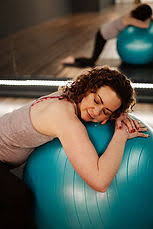
Prenatal yoga is a gentle exercise form designed for pregnant individuals. It focuses on poses that promote flexibility, strength, and balance. It also teaches breathing techniques helpful for labor. Regular practice can ease pregnancy discomforts and prepare the body for childbirth.
Understanding Prenatal Yoga for Birth Preparation
Prenatal yoga is not just any yoga. It’s specially adapted for pregnant women. The goal is to help your body adapt.
It needs to handle the changes pregnancy brings. It also aims to prepare you for the physical work of birth. Think of it as getting your body into its best shape for labor.
This means making muscles stronger. It also means making them more flexible.
The practice helps in many ways. It can ease common pregnancy aches. These include back pain and hip discomfort.
It also helps you manage stress. Pregnancy can be a stressful time. Yoga’s breathing exercises are key.
They teach you how to stay calm and focused. These skills are super useful during labor. You learn to breathe through contractions.
You learn to relax your body. This can make the birthing process feel smoother. It can also help reduce the need for interventions.
Key aspects of prenatal yoga include:
- Gentle Poses: Modified poses that are safe for pregnancy.
- Breathing Techniques (Pranayama): Learning to control your breath.
- Pelvic Floor Work: Strengthening muscles needed for birth.
- Relaxation and Mindfulness: Calming the mind.
Many women find it helps them feel more in control. They feel more connected to their baby. This journey to motherhood is profound.
Yoga can be a guiding light. It supports you physically and mentally.
My Own Journey with Prenatal Yoga
I remember my first pregnancy vividly. I was excited but also a bit scared. I heard stories about labor.
Some sounded easy. Others sounded tough. I wanted to feel prepared.
I wanted to do more than just wait. I started looking for ways to strengthen my body. I also wanted to calm my mind.
That’s when a friend told me about prenatal yoga.
I was a bit hesitant at first. I wasn’t a seasoned yogi. I worried I wouldn’t be flexible enough.
Or that I’d do something wrong. But my friend insisted. She said it was different.
It was made for moms-to-be. I found a local class. The studio was warm and inviting.
The instructor was kind. She knew exactly what pregnant bodies needed.
In my first class, I learned a simple pose. It was called Cat-Cow. It felt amazing on my back.
We also did some hip openers. My hips felt tight from sitting. The breathing exercises were tough at first.
My mind kept wandering. But the instructor guided us gently. She told us to focus on the breath.
She said each breath was a step towards meeting our babies. That thought stuck with me. It shifted my perspective.
Yoga became my calm space. It was a time just for me and my growing baby. It made me feel stronger.
It made me feel more ready for whatever birth would bring.
Core Principles of Prenatal Yoga for Birth
Prenatal yoga focuses on specific goals for childbirth. It’s not about achieving perfect poses. It’s about building a body ready for labor.
It’s also about a ready mind. The practice works on several levels. These all contribute to a better birth experience.
Understanding these principles helps you get the most out of your sessions.
Building Pelvic Mobility and Strength
Your pelvis plays a huge role in birth. Yoga helps make it more open and flexible. This can help the baby move down.
Poses like Butterfly pose (Baddha Konasana) are great. They gently open the hips. They also stretch the inner thighs.
These muscles can get tight. This tightness can make labor harder.
Strengthening the pelvic floor is also vital. These are the muscles that support your organs. They also help control urination.
They are essential for birth. Kegel exercises are often taught. You can do them anytime.
Certain yoga poses also help engage these muscles. Learning to relax these muscles is just as important. You need them to open during birth.
Pelvic Floor Power-Up
What it is: The pelvic floor is a set of muscles. They support your bladder, bowel, and uterus.
Why it matters for birth: Strong pelvic floor muscles help with pushing. They also help you recover after birth. Learning to relax them helps the baby pass through.
Simple exercise: Imagine stopping the flow of urine. Hold for a few seconds. Then release.
Do this several times a day.
Developing Breath Awareness and Control
Breathing is your most powerful tool during labor. Yoga teaches you to use your breath intentionally. You learn different breathing techniques.
These are called pranayama. They help you stay calm. They help you manage pain.
They also give your baby oxygen.
During labor, long, deep breaths can help. They can move you through contractions. Short, panting breaths might be useful at other times.
Yoga helps you practice these. You learn to connect your breath to your movement. This connection is powerful.
It helps you stay centered. It makes you feel less overwhelmed. A calm mom often means a calmer baby.
Consider learning techniques like:
- Diaphragmatic Breathing: Deep belly breaths.
- Ujjayi Breath: A gentle, ocean-like sound breath.
- Coordinated Breathing: Matching breath to movement.
Improving Balance and Stability
As your pregnancy progresses, your center of gravity shifts. This can make you feel less stable. Yoga poses help improve your balance.
This reduces the risk of falls. Stable hips and a strong core support your growing belly. It makes daily movements easier.
It also helps your body stay aligned.
Poses that build stability include:
- Warrior II: Strengthens legs and opens hips.
- Tree Pose (Vrksasana): Improves balance and focus.
- Chair Pose (Utkatasana): Builds leg strength.
These poses help you feel more grounded. They help you feel more capable. This physical stability often translates to mental stability.
Cultivating Mind-Body Connection
Pregnancy is a time of immense change. Yoga helps you tune into your body. You start to understand its signals.
You feel the baby’s movements more. You become more aware of your physical sensations. This connection is crucial for labor.
It helps you trust your body’s instincts. It helps you work with your body, not against it.
Mindfulness is a big part of this. You are encouraged to be present. You focus on what your body is doing.
You focus on your breath. This practice reduces anxiety. It helps you feel more at ease.
It builds confidence for the birth. You learn to embrace the journey. You are not just waiting for it.
You are actively participating in your body’s preparation.
Mindful Birth Prep: Key Takeaways
Connect with Your Body: Listen to its whispers.
Trust Your Instincts: Your body knows what to do.
Breathe Through It: Your breath is your anchor.
Stay Present: Focus on this moment.
Beneficial Prenatal Yoga Poses for Labor
Certain yoga poses are particularly helpful for birth preparation. They target areas that are key for labor. They help ease discomfort.
They also encourage the baby to move into a good position for birth. Always listen to your body. Modify poses as needed.
If something doesn’t feel right, stop.
Malasana (Garland Pose / Yogi Squat)
This pose is a superstar for birth prep. It opens the hips and pelvis. It helps lengthen the perineum.
This is the area between the vagina and anus. This can help reduce tearing during birth. It also helps the baby descend.
You can do this pose throughout pregnancy.
How to do it:
- Stand with your feet wider than hip-width apart.
- Turn your toes out slightly.
- Bend your knees and lower your hips towards the floor.
- Bring your hands together at your heart.
- Use your elbows to gently press your knees apart.
- Keep your spine long.
- Hold for 5-10 breaths.
If your heels don’t touch the floor, that’s okay. Place a folded blanket under them for support. You can also hold onto a wall or chair for balance.
Baddha Konasana (Bound Angle Pose / Butterfly Pose)
This pose is excellent for opening the hips. It also stretches the inner thighs and groin. These areas need to be flexible for birth.
It can relieve sciatica pain. Many women find it very relaxing.
How to do it:
- Sit tall with your spine straight.
- Bring the soles of your feet together.
- Let your knees fall out to the sides.
- You can hold your feet or ankles.
- Gently press your knees down with your elbows if it feels good.
- Hold for 5-10 breaths.
To make it more restorative, lie back on a pillow after holding the pose. Let your knees stay open. This is called Reclining Bound Angle Pose.
Utkatasana (Chair Pose)
Chair pose builds strength in the legs and core. Strong legs are helpful for labor. You might be in positions that require leg strength.
It also helps with stability. This pose can be modified. You can make it easier by not going as deep.
You can also hold onto a chair back.
How to do it:
- Stand with your feet hip-width apart.
- Inhale and raise your arms overhead.
- Exhale and bend your knees.
- Lower your hips as if sitting into a chair.
- Keep your chest lifted.
- Hold for 3-5 breaths.
Focus on breathing deeply. Feel the strength in your legs. This pose prepares you for the endurance needed in labor.
Virabhadrasana II (Warrior II Pose)
Warrior II opens the chest and shoulders. This is important for breathing. It also strengthens the legs and ankles.
It builds stamina. It can help you feel empowered. It’s a pose that conveys strength.
How to do it:
- Step your feet wide apart.
- Turn your right foot out 90 degrees.
- Turn your left foot in slightly.
- Bend your right knee over your ankle.
- Keep your left leg straight.
- Extend your arms out to the sides at shoulder height.
- Gaze over your right hand.
- Hold for 5 breaths.
- Repeat on the other side.
This pose helps you feel strong and grounded. It opens your hips in a different way than squats.
Supported Supta Virasana (Supported Reclining Hero Pose)
This pose is deeply restorative. It stretches the quadriceps and ankles. It can help relieve swelling.
It’s best done with ample support. This ensures comfort and safety.
How to do it:
- Kneel on the floor.
- Place a bolster or several pillows between your legs.
- Lower your hips back towards the floor, resting them on the bolster.
- Lean back gently.
- You can rest your back on more pillows.
- Or lie down completely if comfortable.
- Ensure your knees don’t hurt.
- Hold for 5-10 minutes.
This pose is about release and relaxation. It’s a great way to end a yoga session.
Pose Spotlight: Yogi Squat
Pose Name: Malasana (Garland Pose)
Primary Benefit: Pelvic opening and hip flexibility.
Labor Advantage: Aids baby’s descent, can help reduce tearing.
Tips: Use props like a block or blanket if heels don’t touch.
Breathing Techniques for Labor and Birth
Breathing is perhaps the most important skill learned in prenatal yoga. It’s your constant companion through labor. It helps you cope with contractions.
It keeps you centered. Different stages of labor may call for different breathing patterns. Learning them ahead of time makes a huge difference.
Diaphragmatic Breathing (Belly Breathing)
This is the foundation of all good breathing. It’s your go-to for relaxation. It also helps oxygenate your blood.
This is good for you and the baby.
How to do it:
- Sit or lie down comfortably.
- Place one hand on your chest and the other on your belly.
- Inhale deeply through your nose.
- Feel your belly rise.
- Try to keep your chest still.
- Exhale slowly through your mouth.
- Feel your belly fall.
- Repeat for several minutes.
This breath calms the nervous system. It’s perfect for early labor. It’s also great for general relaxation.
Paced Breathing (Slowing Down)
As contractions become stronger, you might need to focus your breath more. Paced breathing involves a slower inhale and exhale. It helps you stay in control.
How to do it:
- Inhale slowly for a count of 4.
- Hold for a count of 1 or 2 (optional).
- Exhale slowly for a count of 6.
- Focus on making your exhale longer than your inhale.
This helps prevent hyperventilation. It keeps you grounded during more intense waves.
Pant-Puff Breathing
This technique is useful during the transition phase. This is often the most intense part of labor. It involves short, quick breaths followed by a longer exhale.
How to do it:
- Take 2-3 short, rapid inhales through the mouth (like panting).
- Follow with a longer, slower exhale.
- This helps you manage the intensity.
- It prevents you from pushing too early.
Practice this so it feels natural. It can be a lifesaver when you feel overwhelmed.
Focusing Breath
Sometimes, just focusing on one long, smooth breath is best. This is a simple anchor. It helps you get through each contraction.
How to do it:
- Take a deep inhale.
- Exhale slowly and completely.
- Repeat with each contraction.
- Imagine the breath flowing through your body.
- It can help visualize the breath as a wave.
This is a versatile technique. You can use it anytime you need a focus point.
Breathing Technique Quick Guide
Early Labor/Relaxation: Diaphragmatic Breathing
Active Labor: Paced Breathing (4-in, 6-out)
Transition: Pant-Puff Breathing
Anytime: Focusing Breath (long, smooth)
Real-World Context: When Yoga Becomes Essential
Life doesn’t stop for pregnancy. You’re still juggling daily tasks. You might have other children.
You might have work. Prenatal yoga helps you navigate these demands. It builds resilience.
It teaches you to listen to your body’s limits. It also helps you understand what’s normal and what isn’t.
Daily Comfort and Pain Management
Many women experience back pain. They feel pressure in their hips. Their feet might swell.
Gentle yoga poses can relieve these issues. For example, hip openers can ease sciatic nerve pain. Cat-Cow pose can relieve back stiffness.
Simple stretches can improve circulation. This reduces swelling. Yoga helps you stay comfortable.
It prepares your body for the physical demands of carrying a baby. And then, of course, for labor itself.
Preparing for Labor Positions
Labor is not meant to be done lying flat on your back. Many birth professionals recommend upright positions. These include squatting, kneeling, and standing.
Prenatal yoga poses naturally encourage these positions. Poses like Malasana (Yogi Squat) and Warrior II build the strength and stamina needed. They also help you get comfortable in these positions.
Being comfortable in different positions helps labor progress. It can also reduce pain.
Building Trust in Your Body
There’s a lot of information out there about birth. Sometimes it can feel overwhelming. It can even make you feel fearful.
Prenatal yoga helps you build trust in your body. You learn what your body is capable of. You connect with your intuition.
This is crucial. It helps you make informed decisions. It empowers you during labor.
You feel like an active participant. You’re not just a passive recipient of care.
Mental and Emotional Preparedness
Birth can be an intense emotional experience. Yoga’s focus on breath and mindfulness helps immensely. It teaches you to stay calm under pressure.
You learn to manage fear and anxiety. You develop coping mechanisms. This mental preparation is as important as the physical.
A calm mind can make a significant difference. It helps you stay present and focused. This can lead to a more positive birth experience.
Yoga’s Role Beyond the Mat
Daily Ease: Reduces common pregnancy aches.
Labor Readiness: Strengthens for birth positions.
Inner Confidence: Builds trust in your body’s wisdom.
Emotional Balance: Provides tools for managing stress and fear.
What Prenatal Yoga Means for Your Birth Experience
The benefits of prenatal yoga extend directly to your labor and delivery. It’s not just about feeling good during pregnancy. It’s about actively shaping your birth experience for the better.
Many women report significant positive impacts.
When Prenatal Yoga Helps Most
Prenatal yoga is most beneficial when practiced consistently. Starting in the second trimester is common. However, you can begin at any point.
Listening to your body is key. Regular practice, even just once or twice a week, can build momentum. The benefits accumulate over time.
They prepare you gradually.
Potential Benefits During Labor
Women who practice prenatal yoga often experience:
- Reduced Perception of Pain: Breathing techniques help manage discomfort.
- Shorter Labor Times: A more mobile and relaxed pelvis can help labor progress.
- Less Need for Medical Interventions: Coping skills can reduce reliance on pain medication or other interventions.
- Improved Fetal Positioning: Poses can encourage the baby to move into an optimal position for birth.
- Increased Sense of Control: Feeling prepared reduces anxiety and increases confidence.
- Better Postpartum Recovery: A stronger core and pelvic floor can aid in healing.
When to Be Cautious or Seek Advice
While prenatal yoga is generally safe, there are times to be cautious. Always consult your doctor or midwife before starting any new exercise program. If you have a high-risk pregnancy, specific advice from your healthcare provider is essential.
Avoid poses that put direct pressure on your abdomen. Listen to your body. If you feel pain, dizziness, or shortness of breath, stop immediately.
Classes taught by certified prenatal yoga instructors are highly recommended. They understand pregnancy-related physical changes. They know which poses are safe and beneficial.
They can offer modifications. They can guide you through breathing techniques effectively.
Birth Impact Checklist
Pain Management: Improved coping.
Labor Duration: Potentially shorter.
Intervention Rate: Often lower.
Baby’s Position: More likely to be optimal.
Mom’s Mindset: More confident and in control.
Recovery: Aided by core and pelvic strength.
Quick Tips for Incorporating Yoga into Your Pregnancy
Starting prenatal yoga doesn’t have to be overwhelming. You can integrate its principles into your daily routine. Even small steps can make a difference.
Find a Qualified Instructor
Look for instructors specifically certified in prenatal yoga. They understand pregnancy and its physiological changes. They can offer safe modifications.
They will create a supportive environment.
Start Slowly and Be Consistent
If you’re new to yoga, start with one class a week. As you get more comfortable, you can increase. Consistency is more important than intensity.
Even short, regular practice is effective.
Listen to Your Body
This is the golden rule of yoga, especially during pregnancy. If a pose doesn’t feel right, don’t do it. Modify it or skip it.
Your body is changing. It’s telling you what it needs.
Practice Breathing Everywhere
You don’t need to be on a yoga mat to practice breathing. Use diaphragmatic breathing while driving, walking, or sitting. Make it a habit.
This will serve you well in labor.
Use Props
Blocks, blankets, and bolsters are your friends. They offer support. They help you get into poses comfortably and safely.
Don’t shy away from using them.
Stay Hydrated
Drink plenty of water before and after your yoga practice. Pregnancy requires extra hydration. This is especially true when you’re exercising.
Communicate with Your Healthcare Provider
Always let your doctor or midwife know you are practicing yoga. Discuss any concerns you have. They can offer personalized advice.
Your Prenatal Yoga Action Plan
Find a class: Look for certified prenatal instructors.
Be steady: Aim for consistency over intensity.
Tune in: Your body’s signals are key.
Breathe often: Practice breathwork daily.
Prop up: Use supports for comfort and safety.
Hydrate well: Drink plenty of water.
Talk to your doctor: Share your plans and concerns.
Frequently Asked Questions About Prenatal Yoga for Birth Prep
Can I start prenatal yoga if I’ve never done yoga before?
Yes, absolutely! Prenatal yoga classes are designed for all levels, including beginners. Instructors focus on safety and modifications for pregnancy. It’s a wonderful way to start your yoga journey while preparing for birth.
How often should I practice prenatal yoga for birth preparation?
Aim for consistency. Once or twice a week in a class setting is great. Supplementing with home practice of breathing exercises and gentle stretches daily can further enhance your preparation.
What are the risks of doing prenatal yoga?
When done correctly with a certified instructor and with appropriate modifications, prenatal yoga is very safe. Risks are minimal. Avoid poses that cause pain, dizziness, or pressure on your abdomen. Always consult your healthcare provider first.
Can prenatal yoga help with common pregnancy discomforts like back pain or swelling?
Yes, many poses and stretches in prenatal yoga are specifically designed to alleviate common discomforts. Hip openers can relieve back and sciatic pain, while gentle leg stretches can improve circulation and reduce swelling.
When is the best time during pregnancy to start prenatal yoga?
You can start prenatal yoga at any point during your pregnancy. Many women begin in the second trimester when morning sickness often subsides. However, it’s beneficial at any stage, and even starting later can provide significant advantages.
Will prenatal yoga make me more flexible for birth?
Prenatal yoga focuses on gentle stretching and mobility, especially in the hips and pelvis. This increased flexibility can help create more space for the baby during birth and can ease labor progression.
Conclusion: Embracing Your Birth Journey with Yoga
Prenatal yoga is a powerful tool. It helps you prepare physically and mentally. It connects you to your body.
It builds confidence for the journey ahead. Embrace the practice. Trust your body.
You are getting ready for something amazing.

Leave a Reply