It’s a common question for expectant parents as they near their due date: “Can stretching help start labor?” While there’s no single magic bullet, certain gentle movements and stretches may encourage your body’s natural processes. This guide explores safe and effective stretches that can help prepare your body for labor. We focus on easing discomfort and promoting readiness for birth.
Understanding Labor and Your Body
Labor is your body’s amazing way of bringing your baby into the world. It involves a series of changes. Muscles in your uterus tighten and relax.
This helps move the baby down and out. Your cervix also softens and opens. This process takes time.
It’s often influenced by hormones and your baby’s position. Many factors play a role. These include your physical readiness and your baby’s cues.
Your body is already doing a lot to prepare. You might feel pressure in your pelvis. You might notice more frequent Braxton Hicks contractions.
These are practice contractions. They help soften your cervix. Your body is getting ready for the real event.
Sometimes, gentle activities can support these natural changes. They can help make your body more receptive to labor starting.
It’s important to remember that every pregnancy is different. What works for one person might not work for another. The goal of these stretches is not to force labor.
It’s about helping your body feel relaxed and open. It’s about promoting good circulation. It’s about encouraging your baby to settle into a good position for birth.
This can make the whole process smoother when it begins.
My Own End-of-Pregnancy Waiting Game
I remember being so close to my due date with my second child. I was physically ready, but my body seemed a bit stubborn. I’d been feeling those little aches and pains that come with a full-term pregnancy.
My back was a bit sore. My hips felt tight. I spent hours reading everything I could online.
I wanted to know if there were things I could do. I wasn’t looking for anything drastic.
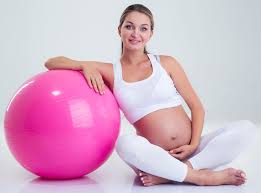
One evening, feeling a bit restless, I decided to try some simple yoga poses I’d done throughout my pregnancy. I started with some gentle hip circles while sitting on my birth ball. Then I moved into a gentle cat-cow stretch on my hands and knees.
I remember feeling a sense of release in my lower back. It was like a small sigh of relief for my muscles. The room felt quiet except for the soft music I had playing.
A feeling of calm washed over me. It wasn’t about trying to make labor happen right then. It was about making my body feel more comfortable and open.
I continued these gentle movements for a few days. I noticed I was sleeping a bit better. My hips felt less stiff when I walked.
It felt like I was giving my body a little extra support. It made me feel more in tune with its signals. This experience taught me a lot about listening to my body.
It showed me the power of gentle, consistent care during those final weeks. The stretches felt like a conversation with myself and my baby.
Understanding Your Body’s Readiness
What is effacement? This is when your cervix gets thinner. It’s a key step before labor.
What is dilation? This is when your cervix opens. It needs to open about 10 centimeters.
How can stretches help? They can encourage good pelvic alignment. They might also help your baby settle deeper. This can put gentle pressure on your cervix.
Key Stretches to Support Labor Readiness
Many safe and gentle movements can help. These are not intense workouts. They are about easing tension.
They help prepare your body’s structure. Think of them as helping your body open up. This can make room for your baby.
It can also help your baby move into the best position for birth.
Always listen to your body. Stop if anything feels painful. It’s a good idea to talk to your doctor or midwife first.
They can give you personalized advice. They know your pregnancy history best.
1. Pelvic Tilts
Pelvic tilts are fantastic. They help with lower back pain. They also encourage your pelvis to move.
This can help your baby descend. You can do these in a few ways.
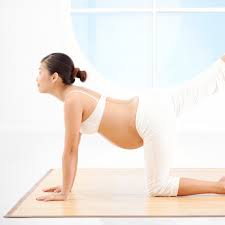
On Hands and Knees: Start on your hands and knees. Your hands should be under your shoulders. Your knees should be under your hips.
Inhale as you let your belly drop slightly. Arch your back gently, lifting your head a little. This is the “cow” part.
Exhale as you round your spine towards the ceiling. Tuck your chin to your chest. Draw your belly button towards your spine.
This is the “cat” part. Repeat this rocking motion slowly. Focus on the feeling in your pelvis.
Standing or Sitting: You can also do pelvic tilts standing up. Place your hands on your hips. Gently tilt your pelvis forward, then backward.
You can also do this while sitting on a chair or a birth ball. Imagine you are trying to flatten your lower back against the chair back. Then, push your hips forward slightly.
Rocking your pelvis back and forth helps.
This simple movement helps mobilize the joints in your lower back and pelvis. It can encourage your baby to move into a more optimal position. It can also help relieve pressure.
Many women find this very comforting. It’s a gentle way to engage your core muscles too.
2. Butterfly Stretch (Bound Angle Pose)
This stretch is excellent for opening your hips. It’s a classic for good reason. It helps increase flexibility in your inner thighs and groin.
This can be very helpful during labor.
How to do it: Sit on the floor. Bring the soles of your feet together. Let your knees fall out to the sides.
You can hold your ankles or feet. Sit up tall. Gently let your knees drift towards the floor.
You can lean forward slightly if it feels comfortable. Keep your back straight. Don’t force it.
You should feel a gentle stretch in your inner thighs and hips. Hold this for 30 seconds to a minute. Breathe deeply.
If sitting on the floor is difficult, you can do this in a chair. Sit on the edge of a chair. Bring the soles of your feet together.
Let your knees fall out to the sides. You can gently press your elbows on your inner thighs for a mild stretch. This pose helps prepare your pelvic floor.
It can help make your hips more mobile for labor. It is a posture that really encourages openness.
3. Child’s Pose
Child’s pose is a restorative pose. It’s great for relaxation. It also gently stretches your back and hips.
How to do it: Start on your hands and knees. Bring your big toes to touch. Widen your knees slightly apart.
This is more comfortable with a pregnant belly. Inhale and lengthen your spine. Exhale and fold your torso forward.
Rest your belly between your thighs. Lay your forehead on the floor or a cushion. Extend your arms in front of you.
Or, rest them alongside your body. Take slow, deep breaths. Feel your body relax into the pose.
Stay here for as long as it feels good.
This pose allows your body to release tension. It can help calm your nervous system. It is a very grounding pose.
For pregnant individuals, modifying it by widening the knees is key. It creates space for your growing belly. It’s a wonderful way to connect with your breath.
It also helps your baby find a comfortable, lower position.
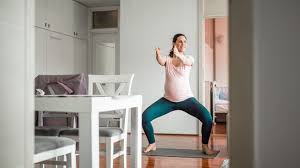
4. Squatting
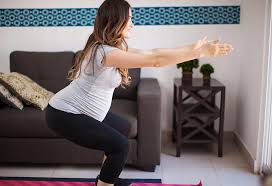
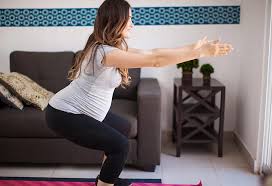
Squatting is one of the most natural birth positions. It uses gravity to help your baby move down. It also opens your pelvis significantly.
You don’t need to squat for long periods.
How to do it: Stand with your feet a little wider than hip-width apart. Your toes can point slightly outwards. Slowly bend your knees and lower your hips towards the floor.
Keep your back as straight as possible. You can hold onto a sturdy piece of furniture for support. Or, rest your hands on your knees.
Go down as far as you comfortably can. Your heels may lift off the floor. That’s okay.
You can also place a pillow or yoga block under your heels for support. Hold the squat for a few breaths. Then, push back up to standing.
You can also gently rock your hips side to side while in a squat.
You can do mini-squats throughout the day. Or you can do a deep squat for a minute or two. Sitting on a toilet naturally puts you in a partial squat.
Elevating your feet on a small stool can enhance this effect. This helps your pelvic outlet widen. It is a very practical preparation for labor.
It opens the birth canal. It also helps your baby rotate.
Quick Scan: Stretches for Labor Prep
- Pelvic Tilts: Mobilizes pelvis, aids baby’s position.
- Butterfly Stretch: Opens hips, improves flexibility.
- Child’s Pose: Relaxes body, stretches back and hips.
- Squatting: Uses gravity, opens pelvic outlet.
- Walking: Natural movement, helps baby engage.
- Perineal Massage: Prepares tissues for stretching.
5. Walking and Gentle Movement
Don’t underestimate the power of simple walking. Regular, gentle walks are excellent. They encourage your baby to engage.
This means the baby’s head moves lower into your pelvis. Gravity helps your baby move downwards. Walking also helps your body stay mobile.
It can prevent stiffness.
How to do it: Aim for a comfortable pace. Walk for 20-30 minutes most days. You can also do gentle swaying movements.
Dance to music. Move your hips in circles. Anything that keeps your body gently moving is beneficial.
Avoid strenuous activity. Listen to your body’s energy levels.
These movements help with circulation. Good circulation is important for your baby. It also helps your body prepare for the physical demands of labor.
Gentle rocking motions can be very soothing. They can help your baby feel secure. They might also encourage your baby to shift into a better position.
6. Perineal Massage
While not technically a stretch, perineal massage is crucial for tissue preparation. It helps your perineum become more flexible. This can reduce the chance of tearing during birth.
It’s best to start this around 34-36 weeks of pregnancy.
How to do it: Wash your hands thoroughly. Find a comfortable position, perhaps sitting with one knee bent or lying down. Use a safe massage oil like almond oil or vitamin E oil.
Insert one or two thumbs a short way into your vagina. Gently press downwards and towards your anus. You should feel a stretching sensation.
Hold it for a short time. Then, gently stroke your finger back and forth along the perineal edge. Do this for a few minutes.
Aim for a few times a week.
This practice helps your tissues become more accustomed to stretching. It’s about building awareness and flexibility. It can make a difference during the pushing stage of labor.
It is an act of self-care. It connects you with your body’s readiness for birth. It’s a proactive step that can empower you.
Real-World Context: When and How to Incorporate Stretches
The best time to do these stretches is when you feel rested. Listen to your body’s cues. Some people prefer doing them in the morning.
Others find them helpful in the evening. Consistency is more important than intensity.
Daily Routine: Try to weave a few minutes of stretching into your day. You might do pelvic tilts while waiting for coffee. You could do a butterfly stretch while reading.
These small actions add up. They keep your body gently active and open.
After a Walk: A walk can warm up your muscles. This makes stretching feel more comfortable and effective. After a stroll, try some deep squats or child’s pose.
Your body will feel more pliable.
When Feeling Restless: If you’re having trouble sleeping or feel generally uncomfortable, gentle movement can help. A few minutes of rocking on a birth ball or some slow pelvic tilts can ease tension. It can help you settle down.
During Late Pregnancy: As your due date approaches, these stretches become more important. They support the natural processes of labor preparation. They encourage your baby to descend.
They help your cervix begin to soften and thin.
It’s not about doing every stretch every day. It’s about finding what feels good for you. It’s about creating a sense of ease and readiness.
The goal is to support your body’s incredible work. It’s to feel more comfortable and prepared. This makes the anticipation more enjoyable.
Contrast: Myth vs. Reality
Myth: Intense exercise will force labor to start.
Reality: Gentle, consistent movement and stretching are more effective and safer. The goal is preparation, not forcing.
Myth: You must do specific exercises at exact times.
Reality: Listen to your body. Consistency and comfort are key. Adapt to your energy levels.
Myth: Stretches alone will guarantee labor starts on your due date.
Reality: Every pregnancy is unique. Stretches support readiness but don’t control the exact start time.
What This Means for You
Incorporating these gentle stretches can be incredibly beneficial. It’s about more than just physical preparation. It’s also mental preparation.
When you feel like you’re actively doing something, it can reduce anxiety. It gives you a sense of control. It helps you feel more connected to your body’s process.
When it’s normal: Feeling a gentle stretch is normal. Feeling a sense of relief in your back or hips is normal. A slight increase in pelvic pressure can be a good sign.
It means your baby is getting into position.
When to be cautious: Sharp pain is not normal. Any bleeding should be reported to your doctor or midwife immediately. If you experience any concerning symptoms, always seek professional advice.
Simple checks: Pay attention to how your body feels after stretching. Do you feel more relaxed? Is your back less tense?
Are your hips feeling a bit looser? These are positive signs. It means the stretches are helping.
It’s also important to know your body’s signs of early labor. These can include regular, stronger contractions. A “show” (mucus plug) or your water breaking are also signs.
These stretches can help make your body more receptive. They might help these signs appear more readily.
Remember, your body is designed to do this. These stretches are supportive tools. They help you work with your body.
They encourage it to be in its best state for labor when the time is right. It’s a wonderful way to honor your pregnancy journey.
Quick Tips for Incorporating Stretches
- Start Slowly: Begin with just a few minutes each day.
- Listen In: Pay attention to what feels good. Stop if it hurts.
- Stay Hydrated: Drink plenty of water before and after.
- Breathe Deeply: Use your breath to deepen the stretches.
- Be Consistent: Little and often is best.
- Talk to Your Provider: Always check with your doctor or midwife.
Frequently Asked Questions
Can doing stretches too early start labor prematurely?
Generally, gentle stretches for labor readiness are safe in the later stages of pregnancy (after 37 weeks). The goal is to prepare your body, not force labor. If you have a history of preterm labor or any concerns, always discuss with your healthcare provider before starting new exercises or stretches.
How often should I do these stretches?
Aim for consistency. Doing a few stretches daily or several times a week is more beneficial than doing many all at once. Listen to your body; some days you might feel like doing more, other days less.
A few minutes each day can make a difference.
What if I feel pain when doing a stretch?
Pain is a sign to stop. Stretches should feel like a gentle pull, not a sharp or intense pain. If you feel pain, ease out of the stretch or try a modified version.
If the pain persists, consult your healthcare provider.
Can these stretches help turn a breech baby?
Certain positions like hands-and-knees or inversions (under professional guidance) are sometimes suggested to encourage a baby to turn from breech to head-down. However, stretches are primarily for preparing the pelvis and relieving tension. Always discuss baby’s position with your doctor or midwife for appropriate advice.
Are there any stretches I should avoid?
Avoid any stretches that put direct pressure on your abdomen. Also, avoid deep twists or anything that causes pain. Poses that require lying flat on your back for extended periods might be uncomfortable or inadvisable later in pregnancy.
Focus on open, supported, and gentle movements.
How long should I hold each stretch?
Hold stretches for about 30 seconds to a minute, or for a few deep breaths. For dynamic stretches like pelvic tilts, repeat them for a few minutes. The key is to move gently and breathe.
Don’t push yourself to your limit.
Final Thoughts
Waiting for your baby can be a mix of excitement and impatience. Gentle stretching and movement can be wonderful companions during this time. They support your body’s natural readiness.
They help ease discomfort. They foster a sense of calm preparedness. Embrace these moments.
They are part of your amazing journey towards motherhood.
},
},
},
},
},
} ] }