Category: Pregnancy & Mom

  • Hot And Cold Therapy In Labour

    The Surprising Power of Hot and Cold Therapy During Labor

    It’s a time of immense change and intense sensation. Your body is working harder than it ever has. You’re preparing to meet your little one. Many things can help you feel more comfortable. One often overlooked tool is simple temperature. Using hot and cold packs can make a big difference. This article will show you how. We will talk about why it works. We will also share how to use it. You’ll learn what to expect and when.

    Hot and cold therapy can offer significant comfort and pain relief during labor. Applying heat can relax muscles and ease aches, while cold can reduce swelling and numb discomfort. Knowing how to use these simple tools effectively can empower you during this transformative experience.

    Understanding Heat and Cold Therapy

    Imagine a soothing warm bath on a chilly day. Or a cool cloth on a feverish forehead. Our bodies naturally respond to temperature changes. This is the basic idea behind heat and cold therapy. In labor, we use these principles to help manage pain. We also use them to help your body work better. It’s about using simple, natural methods. These methods can help you feel more in control. They can also make your labor journey smoother.

    How Heat Helps During Labor

    Warmth is like a gentle hug for your muscles. It helps them relax. Muscles that are tense can feel more painful. They can also slow things down. Applying heat can help ease that tension. It can make contractions feel less sharp. It’s like turning down the volume on the pain. Heat also boosts blood flow. More blood means more oxygen. This is good for your body. It helps your muscles work efficiently. It can also help your skin stretch more easily. This might be helpful as you progress.

    Think about how a warm shower feels good. It soothes sore muscles. It calms your mind. The same idea applies to labor. A warm compress can be placed on your lower back. It can be on your belly. It can even be on your perineum (the area between your vagina and anus). This warmth can feel very comforting. It can create a sense of ease.

    How Cold Helps During Labor

    Cold is like a gentle pause button for inflammation. It can numb areas that feel sore or swollen. Sometimes, your body might experience swelling. This can happen especially later in labor. A cool pack can bring relief. It can also help reduce that puffy feeling. Cold can also make the pain signals feel less intense. It’s like briefly distracting your nerves. This can give you a moment of respite.

    A cool cloth on your forehead can feel amazing. It can help you feel more alert. It can also help you feel cooler if you’re getting overheated. Some women like a cool pack on their neck. Others prefer it on their wrists. It’s about finding what feels best for you. Cold therapy is usually short-term. You don’t want to overdo it. Just enough to get that numbing effect.

    My Own Experience with Labor Temperature

    I remember my first labor. I was so focused on pain management. I had heard about massages and breathing. But nobody really talked about hot and cold packs. My doula brought a wonderful, warm rice bag. She placed it on my lower back. It was just as a contraction started to build. The warmth was instant relief. It was like a wave of calm. It made the intensity feel more manageable.

    Later in labor, things got really hot and intense. I felt like I was burning up. My doula then brought out a cool, damp cloth. She laid it on my forehead and then my neck. Oh, the relief! It was such a simple thing. But it made a world of difference. I felt like I could breathe again. It wasn’t just about pain; it was about my whole body feeling more comfortable. That experience taught me how powerful these basic tools are. They are not just extras. They can be essential for comfort.

    The Science Behind the Soothing Sensation

    Why do hot and cold packs work so well? It’s all about how our bodies react.

    Heat and Muscle Relaxation

    When you apply heat, blood vessels in that area open up. This is called vasodilation. More blood flows to the muscles. This brings oxygen and nutrients. It also helps carry away waste products. These products can build up and cause soreness. Heat also affects the nerve endings. It can block some pain signals from reaching your brain. It can also help muscles release their tightness. Relaxed muscles are less likely to cramp. They can also stretch more easily. This is important for labor progress.

    Cold and Numbing Effects

    When you apply cold, blood vessels constrict. This is called vasoconstriction. Less blood flows to the area. This can help reduce swelling and inflammation. Think of an ankle sprain. You’d put ice on it. The cold also slows down nerve signals. This makes the area feel numb. It can reduce the intensity of pain. It’s a temporary effect. But in labor, even a few minutes of reduced pain can be a huge help. It gives you a chance to rest and regroup.

    The Gate Control Theory of Pain

    This is a cool idea. It says that your body has a sort of “gate” for pain signals. When you feel other sensations, like warmth or coolness, these signals can travel to your brain faster than pain signals. They can sort of “close the gate” to some of the pain. So, the warm or cool feeling competes with the pain. It helps to distract your brain. It makes the pain feel less overwhelming.

    Quick Look: Heat vs. Cold in Labor

    When to reach for heat:

    • For general muscle aches and pains.
    • To ease back labor discomfort.
    • To help relax tense muscles.
    • To feel more cozy and comforted.

    When to reach for cold:

    • To reduce swelling or puffiness.
    • To numb an area that feels very sore.
    • To help cool down when you feel overheated.
    • For a quick refresh during intense moments.

    Using Heat During Labor: Your Go-To Comfort Tools

    There are many ways to bring warmth into your labor space. It’s about making it accessible and easy to use.

    Hot Water Bottles and Rice Socks

    These are classics for a reason. A hot water bottle needs to be filled with warm, not boiling, water. Always check the temperature. You don’t want to burn yourself. Wrap it in a towel or a cloth. Then you can place it where you need it. A rice sock is a cloth bag filled with uncooked rice. You can warm it in the microwave. Be very careful. Start with short bursts of time. Check the temperature often. Stir the rice to ensure even heating. A rice sock can mold nicely to your body. It stays warm for a good while.

    Warm Compresses and Towels

    These are super versatile. You can get a washcloth wet with warm water. Wring it out well. Then place it on your forehead. Or your neck. Or your lower back. You can also heat up towels in a clothes dryer on a warm setting. Fold them up. And then use them like warm packs. Your labor team can help with this. They can re-warm towels as needed.

    Warm Showers or Baths

    If you have access to a shower or tub, use it! The continuous flow of warm water can be incredibly soothing. It can help relax your entire body. It can also make contractions feel more manageable. Many women find laboring in water to be very effective. It can also help with the sensation of pushing. Remember to have someone there with you. Always ensure the water is a safe temperature. Not too hot.

    Labor Tubs and Birth Pools

    For those planning a water birth, this is a built-in comfort measure. The water helps with buoyancy. This can make it easier to move around. It can ease pressure. It also provides that constant warmth. It’s like a giant, comforting hug. The water can also help with relaxation between contractions. It helps your body rest.

    My Top Heat Tip

    Scenario: Laboring at home, feeling lower back pain.

    Action: Heated rice sock.

    Why it works: Easy to make at home. Conforms to the back. Provides deep, lasting warmth.

    Portable for moving around. Simple to re-warm if needed.

    Using Cold During Labor: Refreshing Relief

    Cold therapy is often about quick bursts of relief. It helps cool you down and numb discomfort.

    Cool Washcloths

    This is the simplest and most common cold therapy. Dampen a washcloth with cool water. Wring it out. Place it on your forehead. Or your neck. Or your wrists. It’s amazing how much relief a cool cloth can bring. Especially when you start to feel hot and flushed. Your partner or doula can have a pitcher of cool water ready. They can re-wet the cloths for you.

    Cold Packs and Ice Packs

    You can buy reusable gel packs. Or you can make your own. Fill a zip-top bag with ice. Add a little water. Seal it tightly. Wrap it in a thin towel or cloth. You don’t want to apply ice directly to the skin. This can cause frostbite. Use the wrapped pack on areas that feel swollen or very sore. It can be on your wrists, your ankles, or even your perineum after birth.

    Cool Spritz Bottle

    A spray bottle filled with cool water can offer a refreshing mist. You can mist your face and body. It helps you feel cooler. It can also provide a nice sensory distraction. Some people even add a drop of lavender essential oil to the water for extra calm. But check with your care provider first.

    Frozen Peas or Corn Bags (Wrapped!)

    These are great because they are flexible. They can mold to body parts. Like your perineum. Or your sore breasts after birth if needed. Always wrap them in a soft cloth. Make sure they aren’t too cold. You can also use a bag of frozen veggies.

    Cold Therapy in Action

    Situation: Intense contractions, feeling very hot and overwhelmed.

    Tool: Cool washcloth on the forehead and back of the neck.

    Effect: Instant cooling sensation. Reduces the feeling of being overheated. Helps reset the senses.

    Provides a moment of calm during a tough point.

    When to Use What: Making Smart Choices

    The best approach often mixes both heat and cold. It’s about listening to your body.

    During Early Labor

    Early labor is often about building comfort. Heat can be your best friend here. A warm bath. A hot water bottle on your back. Gentle stretching with warm muscles. This helps your body relax and prepare. Cold might not be as useful yet. Unless you’re feeling uncomfortably warm.

    During Active Labor

    As contractions get stronger, your needs might change. Heat can still be great for back labor. Or for general muscle tension. But if you start to feel overheated or very sore in one spot, cold can help. A cool cloth might be just what you need. Some women like alternating. Warm for a bit, then cool. It’s about finding the rhythm that works for you.

    During Transition

    This is often the most intense phase. You might feel hot. You might feel shaky. A cool cloth can be very grounding. It can help you feel more in control. Heat might be less appealing right now. Focus on what makes you feel most centered.

    During Pushing

    Some women find a warm compress on the perineum helpful during pushing. It can feel soothing as things stretch. Others prefer to stay cooler. It really depends on your personal preference. The goal is to make pushing feel as comfortable as possible.

    After Birth

    Both heat and cold are incredibly useful postpartum. Heat can help with sore muscles. It can also help with milk let-down if you are breastfeeding. Cold packs are wonderful for perineal soreness. Or for sore breasts if you are not breastfeeding. They help reduce swelling and pain.

    Creating Your Labor Comfort Kit

    Thinking ahead is key. You can pack these items for the hospital or have them ready at home.

    What to Pack (Hospital Birth)

    Hot water bottle: Check hospital policy on bringing this.
    Rice sock: Easy to make and transport.
    Washcloths: Bring a few so you always have a clean one.
    Small spray bottle: For a cooling mist.
    Gel packs or ice packs: Reusable ones are great.
    Soft towels: For wrapping packs.
    A pitcher: To hold cool water for washcloths.

    What to Have Ready (Home Birth)

    Access to a shower or tub.
    Microwave: For warming rice socks or towels.
    Plenty of washcloths.
    Spray bottle.
    Hot water bottle.
    Ice packs or bags of frozen veggies.

    Always discuss your comfort plan with your care provider. They can offer guidance. They can also help you get access to what you need.

    Safety First: Important Considerations

    While simple, it’s crucial to use heat and cold safely.

    Checking Temperatures

    This is the most important rule. Always check the temperature of anything hot before it touches your skin. You don’t want to cause burns. Especially when your sensation might be dulled by labor. Use your inner wrist or elbow to test. And when in doubt, make it cooler. For cold packs, always wrap them. Direct contact with ice for too long can cause skin damage.

    Duration of Application

    Don’t leave a hot pack on one spot for too long. Your skin can get irritated. Or burned. Similarly, don’t leave a cold pack on for extended periods. About 10-15 minutes at a time is usually good. You can then take a break. This allows your skin to return to normal temperature. Then you can reapply if needed.

    When NOT to Use Heat or Cold

    Open wounds or broken skin: Avoid these areas.
    Areas with reduced sensation: Be very cautious. You might not feel if it’s too hot or too cold.
    Certain medical conditions: If you have conditions like poor circulation or nerve damage, talk to your doctor first.
    Over sensitive areas: Be mindful of your belly during pregnancy. You don’t want to apply extreme temperatures directly to it.

    Always listen to your body. If something feels wrong, stop. Talk to your midwife or doctor.

    Real-World Scenarios and Experiences

    Let’s look at how these tools play out in actual labor.

    Scenario 1: The Back Labor Warrior

    Sarah was experiencing intense back labor. The pressure was relentless. Her doula brought her a warm rice sock. She placed it on Sarah’s lower back. Sarah sighed. “Oh, that’s so much better,” she whispered. The warmth helped her muscles relax. It made the sharp pain feel duller. She could breathe through contractions more easily. She continued to use the rice sock throughout her labor. It was her constant source of comfort.

    Scenario 2: The Overheated Mama

    Maria was nearing transition. She felt like she was on fire. Her sheets were soaked with sweat. She felt agitated and restless. Her partner gently placed a cool, damp washcloth on her forehead and neck. The immediate coolness was a shock, but a welcome one. It helped her feel more grounded. It broke the cycle of feeling so hot and out of control. She asked for more cool cloths every few minutes.

    Scenario 3: Postpartum Swelling Relief

    After delivery, Emily noticed her perineal area was quite sore and swollen. Her nurse brought her a wrapped, frozen gel pack. She placed it carefully. The cold helped numb the area. It reduced the throbbing sensation. She continued using these packs for the first few days. They made sitting and moving much more comfortable.

    What’s Normal vs. Concerning

    Normal:

    • Feeling general aches and muscle soreness.
    • Feeling overheated during intense contractions.
    • Mild swelling after birth.
    • Temporary discomfort after applying heat or cold.

    Concerning:

    • Skin redness or blistering after using heat.
    • Skin paleness or numbness lasting more than a few minutes after using cold.
    • Persistent, severe pain.
    • Signs of infection (fever, redness, pus) after birth.

    Always check with your healthcare provider if you are concerned.

    What This Means for Your Labor Plan

    Integrating heat and cold therapy into your birth plan is simple. But it can have a big impact. It’s about adding tools to your comfort toolbox.

    When It’s Normal to Use These Tools

    It’s normal to use heat and cold throughout labor. Whenever you feel a need for comfort. Whether it’s muscle tension. Feeling too hot. Or experiencing soreness. There’s no wrong time to reach for a warm compress or a cool cloth. It’s about responding to your body’s signals.

    When to Be Extra Mindful

    Be extra mindful when your sensation might be different. This can be due to pain medication. Or just the intensity of labor itself. Always have someone else check temperatures. And monitor how your skin looks and feels.

    Simple Checks You Can Do

    Touch test: Have your partner or doula touch the pack. Do they think it’s too hot or cold?
    Skin check: Look at the skin where the pack was applied. Is it red? Pale? Any signs of irritation?
    Listen to your body: If it feels too intense, even if it’s supposed to help, change it.

    Quick Tips for Maximum Comfort

    Here are some easy ways to make the most of heat and cold therapy.

    Have a Dedicated Helper

    Designate someone in your birth team. This person can be in charge of managing your comfort items. They can warm up packs. They can fetch cool cloths. This frees you up to focus on labor.

    Keep It Accessible

    Make sure your comfort items are within easy reach. You don’t want to wait long for relief. Have a basket or bin ready.

    Communicate Your Needs

    Don’t be afraid to speak up. Tell your team if you are hot, cold, or sore. They can’t help if they don’t know.

    Experiment and Find Your Favorites

    What works for one person might not work for another. Try different methods. See what feels best for you. You might love the rice sock for your back. But prefer a cool cloth on your forehead.

    Don’t Forget Postpartum

    These tools are just as useful after the baby arrives. Keep them in mind for your recovery. They can help with soreness and swelling.

    Frequently Asked Questions About Labor Heat and Cold Therapy

    Can I use heat and cold therapy if I’m getting an epidural?

    Yes, you can. Even with an epidural, you might still feel discomfort in areas not fully numbed. Heat can help with muscle tension.

    Cold can help with any localized soreness or swelling. Always discuss with your anesthesiologist or nurse first. They can advise you on what’s best and safest for your specific situation.

    How long should I leave a hot or cold pack on?

    For hot packs, aim for about 10-15 minutes at a time. For cold packs, similar timing, 10-15 minutes, is usually recommended. It’s good to give your skin a break in between applications to prevent irritation or damage.

    Listen to your body; if it feels good, you can repeat it after a rest period.

    What’s the difference between a rice sock and a heat pack?

    A rice sock is a cloth bag filled with uncooked rice. You warm it in the microwave. It conforms well to the body and holds heat for a good amount of time.

    A traditional heat pack might be a rubber hot water bottle. Or a reusable gel pack. All aim to provide soothing warmth.

    Can I use essential oils with my hot or cold packs?

    It’s best to check with your healthcare provider or doula. Some essential oils are safe for labor. But others might not be.

    If using them, a tiny amount mixed with a carrier oil is usually best. Or a drop added to the water for a spray bottle. Never apply undiluted essential oils to the skin.

    Is it safe to use cold therapy on my belly during labor?

    Generally, it’s best to avoid applying cold directly to your abdomen during labor. Extreme cold can cause discomfort. Your uterus is working hard.

    Focus on areas like your back, neck, or forehead for cooling relief. Always discuss with your care provider if you have specific concerns.

    What if my hospital doesn’t allow hot water bottles?

    That’s common due to safety concerns. Don’t worry! You can still bring a rice sock.

    Or ask your care team to prepare warm towels for you. Many hospitals have ways to warm washcloths or towels. Just communicate your needs clearly to your nurses or doula.

    Embracing Comfort Through Temperature

    Labor is a marathon, not a sprint. Having tools that can help you manage discomfort makes a huge difference. Heat and cold therapy are simple, effective, and natural. They can help relax your muscles. They can cool you down. They can numb soreness. They can offer a sense of control. By preparing your comfort kit and communicating your needs, you can harness the power of temperature. Make your labor journey as comfortable as possible.

  • Massage Techniques During Labour

    Labor massage techniques focus on gentle touch and pressure to relieve pain, promote relaxation, and support the birthing person and their partner. These methods can help manage contractions, ease backaches, and create a calmer birth environment, empowering everyone involved.

    Understanding Labor Massage

    Labor massage is more than just a back rub. It’s a way to connect with your body. It’s also a way for your support person to actively participate.

    The goal is to make labor feel more manageable. It’s about finding comfort when things get tough. This isn’t about fancy moves.

    It’s about simple, caring touch.

    Why does it work? Touch is powerful. It releases feel-good chemicals in the brain.

    These are called endorphins. They act like natural pain relievers. Massage also helps you focus.

    It can help you breathe deeply. This brings more oxygen to you and the baby. It can also help you feel more in control.

    It builds trust between you and your support person.

    There are many ways to give comfort. It’s not just one thing. Different people like different things.

    Some like firm pressure. Others prefer a lighter touch. It’s important to find what feels best.

    This changes as labor goes on too. What feels good during early labor might not feel the same later.

    Your support person plays a big role. They learn these techniques. They become your hands of comfort.

    This can help them feel more useful. It helps them feel connected to the process. They are active, not just watching.

    This shared experience is special. It creates a team effort for the birth.

    My Own Labor Experience: The Power of a Simple Touch

    I remember my first labor vividly. I was trying so hard to be strong. I was breathing through each contraction.

    But the pain was intense. My partner, bless him, was holding my hand. He was telling me I was doing great.

    But I felt so alone in the struggle. It felt like a wave crashing over me again and again.

    Then, a nurse came in. She showed my partner how to use his thumbs. She guided him to press on my lower back.

    She told him to push gently. He did. And something amazing happened.

    It wasn’t magic. But it was relief. That steady, firm pressure helped ground me.

    It took the edge off the sharpest pain. It felt like a small island in a stormy sea. I could focus on that spot.

    I could breathe into it. It made a world of difference. It showed me the real impact of touch.

    Key Benefits of Labor Massage

    Pain Relief: Helps ease discomfort from contractions and back pain.

    Relaxation: Lowers stress hormones and promotes a sense of calm.

    Bonding: Strengthens the connection between the birthing person and their support person.

    Empowerment: Gives the support person an active role in comfort measures.

    Faster Labor: Some studies suggest it can help speed up labor.

    Reduced Intervention: May lead to fewer medical interventions.

    Getting Started: What You Need and How to Prepare

    You don’t need a fancy setup. Comfort is key. Think about where you’ll be.

    Is it a hospital room? Or your own home? Make the space feel as calm as possible.

    Dim the lights if you can. Play soft music. Have some pillows for support.

    A comfortable surface is important.

    What about oils or lotions? Some people like them. They can make the massage smoother.

    Use something natural. Unscented is often best. Some people are sensitive during labor.

    A light massage oil or even a warm, damp washcloth can feel good. It’s good to have a few options ready. But you can also do it dry.

    The touch itself is the main thing.

    Who will do the massage? It’s usually a partner. It could be a doula.

    Or a close friend. They should be willing to learn. They should be calm and present.

    They need to be okay with touch. It’s a team effort. Talk about it beforehand.

    What are your expectations? What are your boundaries?

    Practice before labor starts. This is a great idea. Try some of these techniques now.

    Get used to what feels good. Your partner can practice too. This helps them feel confident.

    It also helps you communicate. You can say, “A little softer there,” or “That’s perfect.” This practice makes a big difference.

    Quick Setup Checklist

    Comfortable Space: Dim lights, quiet atmosphere.

    Pillows: For support in various positions.

    Optional Oils/Lotions: Natural and unscented preferred.

    Warm Washcloths: For soothing warm touch.

    Water: For the support person to stay hydrated.

    Core Labor Massage Techniques

    Let’s dive into some specific moves. These are simple. They are effective.

    They are safe for labor. Remember to always check in. Ask how it feels.

    Adjust as needed. The birthing person is the boss of their body.

    Effleurage: The Gentle Sweep

    This is the most basic stroke. It’s like a gentle caress. You use the flat of your hand.

    You sweep in long, slow motions. You can do this on the back. Or the belly.

    Or the legs. It helps to relax. It also helps to warm up the muscles.

    Imagine you are tracing the outline of a heart on the back. Start at the top of the spine. Sweep down and out.

    Then back up the sides. Keep your touch light and flowing. This stroke can be done anytime.

    It’s good at the start of labor. It’s also good between contractions.

    The goal here is smooth, continuous movement. Think of it as “loving touch.” It’s about sending signals of calm and safety. It can help the birthing person feel connected to their body.

    It’s a way to acknowledge what’s happening. It’s a way to say, “I’m here with you.”

    Counter-Pressure: Easing the Deep Ache

    This is a game-changer for back labor. Back labor is common. It feels like a deep, grinding pain in your lower back.

    It’s often caused by the baby’s position. Counter-pressure helps a lot. It applies firm, steady pressure.

    This pressure can block pain signals. It can also help the baby move.

    How to do it: The birthing person can kneel. They can lean forward over a pillow. Or they can stand and lean on a table.

    The support person stands behind them. They can use their fists or forearms. They press firmly into the person’s lower back.

    This is the dimple area. Right above the tailbone.

    The pressure should be firm. It should be steady. It should feel good.

    Not painful. If it feels wrong, ease up. If it helps, keep it going.

    You can also move your fists in small circles. Or just hold steady pressure. This can be done throughout a contraction.

    Or between them. It’s important to be consistent. This helps the most.

    I saw this used in a birth I attended. The birthing person was really struggling with back pain. They couldn’t get comfortable.

    The doula showed the partner how to apply counter-pressure. The shift was immediate. The person let out a sigh.

    They were still working hard. But the intensity of the pain seemed less. It was like the pressure was holding the pain at bay.

    Contrast Matrix: Effleurage vs. Counter-Pressure

    Effleurage

    • Touch: Light, sweeping, flowing.
    • Purpose: Relaxation, warmth, connection.
    • Area: Back, belly, legs.
    • Pressure: Gentle.

    Counter-Pressure

    • Touch: Firm, steady, focused.
    • Purpose: Pain relief (especially back labor), alignment.
    • Area: Lower back (sacrum).
    • Pressure: Firm, consistent.

    Thumb Kneading: Releasing Tight Spots

    This is for those stubborn knots. Especially in the shoulders or hips. You use your thumbs.

    You press into the muscle. Then you make small circles. Or move the muscle gently.

    It’s a deeper massage. It helps to break up tension.

    Where to use it: The upper back. The shoulders. The hips.

    Sometimes the thighs. If you find a really tight spot, stop. Hold steady pressure for a few seconds.

    Then gently release. Ask if it feels okay. Some soreness afterward is normal.

    But it shouldn’t be sharp pain.

    This technique requires a bit more strength. The support person should be mindful of their own body. They don’t want to hurt themselves.

    They can use their body weight. They can lean in. But they should also listen to the birthing person’s feedback.

    This is about targeted relief.

    I found this helpful with hip pain. As labor progressed, my hips felt so tight. My partner used his thumbs to knead the muscles around my hips.

    It was intense, but it felt so good. It was like unlocking a door to more comfort. It helped me move more freely.

    Squeeze and Release: The Whole Limb Massage

    This is great for legs and arms. It feels very grounding. It also helps with circulation.

    Especially if someone has been in one position for a while.

    How to do it: Start at the top of the limb. Use your whole hand. Gently squeeze the muscle.

    Move down the limb. Release the squeeze as you move. You can work your way down.

    From shoulder to wrist. Or hip to ankle.

    You can also combine this with effleurage. A squeeze, then a long sweep. This feels very soothing.

    It’s a full-body way to offer comfort. It can help with swelling too. Especially in the legs and feet.

    Quick Scan: Position-Based Comfort

    Standing/Leaning:

    • Good for counter-pressure on the back.
    • Allows for movement.
    • Support person can stand behind.

    Kneeling:

    • Great for leaning forward over pillows.
    • Excellent for back labor relief.
    • Allows for close contact.

    Side-Lying:

    • Comfortable for resting between contractions.
    • Legs can be supported with pillows.
    • Massage on the back and hips is accessible.

    Sitting/Chair:

    • Allows for swaying or rocking.
    • Massage on the back and shoulders.
    • Can be easier for the support person.

    Position Matters: Finding the Best Spots

    Where you massage can change based on how the birthing person is positioned. Labor isn’t static. You move.

    You change positions. The massage should adapt too.

    Back Labor Support

    This is where counter-pressure shines. But other things help too. Gentle rocking.

    A warm washcloth on the lower back. Gentle sacral rubs. These are slow, circular motions.

    Using the palm of your hand. Right over the tailbone area.

    If the person is standing or leaning, you can do effleurage on their back. Long strokes from neck to hips. This can be very calming.

    It’s a way to connect. Even when things are intense. The pressure can help.

    Especially when the baby’s head is pressing down.

    Comfort for Legs and Feet

    Legs can get tired. Or crampy. Massage can help.

    Use squeeze and release. Or long, effleurage strokes. Start at the hip.

    Work down to the ankle. You can also do gentle circles on the feet. This can be very grounding.

    Some people love a foot rub. It’s a way to feel cared for. It’s a small luxury.

    If they are open to it, give it. Use warm lotion if you have it. Just be careful not to press too hard.

    Especially on the arches.

    Abdominal Massage: A Gentle Touch

    This can be very soothing during early labor. Or between strong contractions. Use light, sweeping motions.

    Over the belly. Follow the curve of the uterus. It can help you feel more connected to your body.

    And the baby inside.

    However, avoid deep pressure on the abdomen. Especially as labor gets stronger. Or if there are any concerns.

    Always listen to the birthing person. They will tell you if it feels good. Or if they need you to stop.

    Some people find it very comforting. Others don’t like it at all. It’s very personal.

    Observational Flow: Adapting to Labor Stages

    Early Labor:

    • Focus on relaxation.
    • Effleurage on back and legs.
    • Light abdominal sweeps.
    • Gentle hip squeezes.

    Active Labor:

    • Counter-pressure for back labor is key.
    • More focused pressure on tight spots.
    • Squeeze and release on limbs.
    • Rhythmic back rubs between contractions.

    Transition:

    • Very focused, grounding touch.
    • Steady pressure.
    • Short, rhythmic strokes.
    • Minimal talking, maximum presence.

    Second Stage (Pushing):

    • Encouraging touch.
    • Supportive back pressure.
    • Gentle leg massage if needed.
    • Focus on listening to the body.

    Communicating Your Needs: The Art of Feedback

    This is the most important part. The birthing person needs to feel heard. The support person needs to be a good listener.

    It’s a dance. You move together.

    How to give feedback: Use simple words. “More pressure, please.” “Less here.” “That feels good.” “Can you try my shoulder?” Be specific. Don’t just say “ouch.” Say “that spot on my lower back.” Or “my thigh feels tight.”

    How to receive feedback: Listen without judgment. Don’t take it personally. If someone says “stop,” you stop.

    If they say “different,” you try something different. Your goal is to help. Not to perform perfectly.

    It’s okay to adjust. It’s okay to ask, “What would feel better right now?”

    It’s also okay to not know. Sometimes the birthing person can’t articulate what they need. This is where observation comes in.

    Watch their body language. Do they tense up? Do they relax?

    Do they sigh? These are clues. You can gently ask, “Does this help?”

    Remember, this is about presence. Your calm, steady presence. Your willingness to offer comfort.

    That’s what truly matters. The techniques are tools. But your intention is the engine.

    Your caring heart drives it.

    When to Seek Professional Help

    While these techniques are safe and wonderful for comfort, sometimes you need more. If you are in severe pain that doesn’t ease with comfort measures. Or if you have concerns about the baby’s movements.

    Or any other worries. It’s always best to talk to your doctor or midwife.

    There are also professionals who specialize in prenatal and postpartum massage. A certified prenatal massage therapist can offer more in-depth work. They can address specific issues.

    They can also teach partners more advanced techniques. They have a deep understanding of the pregnant body.

    Don’t hesitate to ask your care provider about massage. They may have resources. Or they may be able to suggest someone.

    It’s part of a holistic approach to birth. It supports the body. It supports the mind.

    It supports the spirit.

    Quick Checks for the Support Person

    Listen: Pay attention to verbal and non-verbal cues.

    Ask: “Does this feel okay?” “What would help now?”

    Observe: Watch for signs of tension or relief.

    Adapt: Be ready to change pressure, speed, or location.

    Be Present: Your calm presence is a powerful tool.

    Take Care of Yourself: Stay hydrated. Take breaks if needed.

    Real-World Scenarios

    Imagine this: Labor is picking up speed. The contractions are closer together. The birthing person is starting to feel overwhelmed.

    The support person remembers the effleurage. They start long, soothing strokes on the back. This gentle rhythm helps.

    It anchors the person. It reminds them to breathe.

    Or think about this: The baby is positioned in a way that causes intense pressure on the lower back. The support person gets down on their knees. They use their fists to apply steady counter-pressure.

    The birthing person lets out a groan. But it’s a groan of relief. The pressure is helping to shift the sensation.

    What if someone has a leg cramp? It can be sudden and sharp. The massage partner can respond quickly.

    They can gently knead the calf muscle. Or do a gentle stretch. This immediate response can ease the discomfort.

    It shows attentiveness.

    These aren’t complicated scenarios. They are everyday moments in labor. Moments where simple touch can be a lifeline.

    It shows support. It shows care. It’s an active way to be there.

    What This Means for You

    If you are pregnant, consider how massage might fit into your birth plan. Talk to your partner or support person about it. Practice some techniques now.

    If you are the support person, learn these skills. Be ready to offer comfort. It’s a gift you can give.

    Massage during labor is not a replacement for medical care. It’s a complementary therapy. It works alongside medical interventions.

    It empowers you. It can make the experience of birth feel more personal. More connected.

    And more manageable. It’s about using your hands to offer love and support.

    Even if you don’t plan on extensive massage, a simple hand on the back. Or a gentle squeeze of the hand can mean the world. It’s about the intention behind the touch.

    It’s about being present. And offering comfort.

    Quick Fixes & Tips

    Always ask first. Even for a simple touch.

    Use body weight, not just arm strength. For deeper pressure.

    Warm hands are good hands. Rub them together if they’re cold.

    Keep it rhythmic. Steady, predictable movements are calming.

    Don’t be afraid to try different things. What works one minute might not work the next.

    Have water nearby. For the support person.

    Stay calm. Your calmness is contagious.

    It’s okay to stop. If it’s not helping, or if the person wants a break.

    Frequent Questions About Labor Massage

    Is labor massage safe for the baby?

    Yes, when done correctly and with the birthing person’s consent, labor massage is very safe. Gentle touch and pressure are not harmful to the baby. Always ensure the techniques are appropriate for labor and delivered with care.

    Can I do labor massage if I’m not a trained professional?

    Absolutely! The techniques we’ve discussed are simple and designed for partners and support persons. The most important things are your willingness to help, your presence, and your ability to listen and respond to the birthing person’s needs.

    When is the best time to start labor massage?

    You can start using gentle massage techniques from early labor. As labor progresses and intensifies, you can adapt the techniques. For example, you might switch from broad effleurage to focused counter-pressure.

    What if the birthing person doesn’t like touch during labor?

    Not everyone enjoys touch during labor. If this is the case, respect their wishes. Focus on other forms of support like vocal encouragement, presence, or offering sips of water.

    You can always ask, “Would you like me to rub your back?” or “Is a hand on your shoulder okay right now?”

    Can massage help with nausea during labor?

    Sometimes, gentle touch on the forearms or the back of the neck can help ease nausea. Acupressure points, like the P6 point on the inner wrist, are also known to help with nausea. Always check with your care provider before trying acupressure.

    How can I avoid getting tired while giving massage?

    Pace yourself. Use your body weight rather than just your arm muscles for deeper pressure. Take short breaks if needed, and swap roles with another support person if possible.

    Staying hydrated is also crucial for maintaining energy.

    Conclusion

    Labor massage is a beautiful, accessible tool. It offers comfort. It builds connection.

    It empowers everyone involved. By learning and practicing these simple techniques, you can make the birth journey smoother. Remember to communicate.

    Be present. And offer your loving touch. It can truly make a difference.

  • Birthing Ball Exercises Labour

    Trying to figure out how to make labor a little easier? It’s totally understandable. Labor can feel like a big, overwhelming event.

    Many expectant parents look for natural ways to feel more in control. That’s where a birthing ball comes in. It’s a simple tool with some amazing benefits.

    You’ve probably heard about them, and maybe you’re wondering just how they work. Let’s dive in and explore how birthing ball exercises can help you during labor.

    Birthing ball exercises during labor can help ease pain, promote pelvic opening, encourage baby’s descent, and reduce the intensity of contractions. They are a gentle, non-medical way to support your body’s natural birthing process.

    Understanding Your Birthing Ball

    A birthing ball is basically a large, inflatable exercise ball. It’s much like the ones you might see in a gym. But these balls are designed with labor in mind.

    They are usually a bit softer and sometimes have a grippier surface. This helps you feel more secure. The main idea behind using one is to help your body move and open up.

    This can make labor progress more smoothly.

    Think of your pelvis like a flower. During labor, you want that flower to open up wide. The ball helps with this.

    It lets you shift your weight and find positions that are comfy. It also helps your baby move down. Your body is amazing, and the ball is just a little helper.

    It supports your body’s natural work. It’s a tool that can make a big difference in your experience.

    Why Use a Birthing Ball During Labor?

    So, why all the fuss about a big ball? Labor is hard work. Your body is doing something incredible.

    It needs support. A birthing ball offers that support in several ways. It’s not just a prop; it’s an active tool for comfort and progress.

    It helps you manage the intensity of contractions. It also gives you a sense of agency. You are actively participating in your labor.

    One of the biggest benefits is pain relief. Labor contractions can be intense. Finding positions that help ease this intensity is key.

    The ball lets you sway and rock. This movement can be very soothing. It distracts you a bit.

    It also helps your muscles relax. Relaxed muscles mean less tension. Less tension can lead to less perceived pain.

    It feels good to move your body in ways that feel right.

    Another great thing is how it helps your baby. The ball allows for movement in your pelvis. This helps create space.

    Imagine your baby needing to make their way down. The shifting and tilting of your pelvis help them find the best path. It encourages the baby to engage with your pelvis properly.

    This is often called fetal descent. It’s a crucial part of labor progressing.

    It’s also about feeling empowered. Labor can feel like things are happening to you. Using a birthing ball means you are actively doing something.

    You are finding comfort. You are helping your body. This can make a big difference in how you feel about your labor.

    It’s a way to be an active participant in your own birth. That sense of control is priceless.

    My Own Birthing Ball Moment

    I remember my friend Sarah’s labor vividly. She was really set on having a natural birth. She had this big blue birthing ball.

    At first, I wasn’t sure what she was doing with it. She was just sort of bouncing gently. Then, a contraction hit.

    She leaned forward, resting her arms on the ball. Her whole body was swaying. Her face looked so focused, but calmer than I expected.

    When the contraction eased, she let out a sigh. “That was… better,” she whispered. She explained that rocking on the ball helped her ride the wave of the contraction.

    Instead of tensing up, she could move with it. It was like she found a rhythm. The ball took the pressure off her back.

    It let her hips relax and open up. It was such a clear moment of seeing the ball’s power. It wasn’t just a cushion; it was her labor partner.

    Key Birthing Ball Exercises for Labor

    There are many ways to use a birthing ball. Not all of them are “exercises” in the traditional sense. Many are about finding comfortable positions.

    Others involve gentle movements. It’s important to listen to your body. What feels good?

    What helps with a contraction? Always check with your healthcare provider before trying new things.

    Let’s break down some common and effective ways to use the ball. These can be done at home or in a hospital setting. They are designed to help you throughout different stages of labor.

    Sitting and Swaying

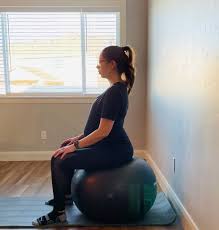
    This is the most common use. You sit on the ball. Your feet are flat on the floor.

    Make sure your knees are bent at about 90 degrees. Your hips should be level with or slightly lower than your knees. This position helps open up your pelvis.

    You can gently sway your hips from side to side. This is called hip circles.

    You can also rock your hips forward and back. This helps create space. During a contraction, try to keep swaying.

    It can help you manage the pain. After the contraction, you can relax. This simple movement is powerful.

    It helps your baby move into a better position.

    Getting the Ball Position Right

    Sit Tall: Imagine a string pulling you up from your head.

    Feet Flat: Keep your feet on the floor. They should be about shoulder-width apart.

    Knees at 90 Degrees: Your knees should be bent evenly.

    Hips Open: Your hips should feel open and relaxed.

    Ball Size: Use a ball that allows you to achieve this position. If the ball is too low, your knees will be higher than your hips. If it’s too high, your knees will be lower.

    Leaning Forward

    This is great for back labor. Or when you just need to lean into something. You can kneel on the floor.

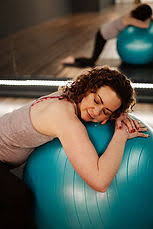
    Place the birthing ball in front of you. Lean forward and rest your arms or your head on the ball. Your partner can stand behind you and give you a back massage.

    This position takes pressure off your back.

    It allows your pelvis to tilt forward. This can help the baby descend. It’s also a very restful position.

    You can close your eyes and breathe through contractions. It’s a safe way to put weight on the ball.

    Rocking on All Fours

    This uses the ball differently. You get on your hands and knees. Place the ball in front of you.

    Lean forward and rest your chest and arms on the ball. Gently rock your hips. You can do small circles or just sway.

    This position is also fantastic for relieving back pressure.

    It helps open up the back of your pelvis. Many babies move into a better position this way. It’s a comfortable posture for many women.

    Especially if they are experiencing intense back labor. It’s a very grounding position. You feel supported by the floor and the ball.

    Contrast: Myth vs. Reality

    Myth: Birthing balls are only for resting.

    Reality: Birthing balls are active tools. They help you move, shift weight, and find comfort during contractions.

    Myth: You have to bounce constantly on the ball.

    Reality: Gentle swaying, rocking, and tilting are often more effective. Listen to your body.

    Myth: Birthing balls are only useful in the hospital.

    Reality: They can be used at home during early labor too. They help you stay relaxed and manage pain.

    Forward Leaning with Partner Support

    This builds on the leaning forward idea. Your partner can sit on a chair. You kneel on the floor, facing away from them.

    Lean forward and rest your arms on the ball, which is in front of you. Your partner can then sit behind you. They can hug you from behind, supporting your back and hips.

    This allows for deep hip pressure and support.

    This is a very intimate and supportive position. It allows for comfort. It also allows your partner to be actively involved.

    They can provide counter-pressure. This can be very helpful during contractions. It’s a great way for partners to feel useful and connected.

    On Your Back with Ball Between Knees

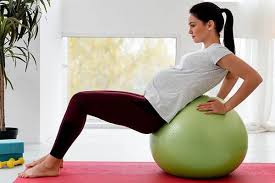
    Sometimes, lying on your back is necessary or preferred. You can lie on your back. Place the birthing ball between your knees.

    You can gently squeeze the ball. This helps engage your pelvic floor muscles. It can also help with hip alignment.

    It’s a less common position for movement, but useful for specific needs.

    This can be helpful for feeling grounded. The gentle pressure can be soothing. It helps keep your knees from falling outward too much.

    It’s a subtle way to use the ball. It’s about finding what works in the moment. Your birth team can help you get into this position safely.

    Quick Scan: When to Use the Ball

    Stage of Labor How the Ball Helps Recommended Positions
    Early Labor Comfort, pain management, staying relaxed Sitting and swaying, gentle rocking
    Active Labor Pelvic opening, fetal descent, deep comfort All fours rocking, leaning forward, sitting with deep circles
    Transition Rhythm for contractions, deep pressure relief Leaning forward (partner support), all fours rocking
    Pushing (if advised) Support, opening pelvis Sitting, kneeling (with support)

    Timing Your Birthing Ball Use

    You don’t have to wait for labor to start to use the ball. Many women find it helpful in late pregnancy. Gentle movements on the ball can help the baby get into a good position.

    This is called fetal positioning. It can make labor start more smoothly. It can also help your body prepare for birth.

    During labor, the timing is more about what feels good. When a contraction starts, you might shift to the ball. You can use it to sway.

    Or lean on it. When the contraction ends, you can rest. It’s very intuitive.

    You’ll find yourself drawn to it when you need it most. Your midwife or doula can guide you on when and how to use it.

    Real-World Context: Where You’ll Use It

    You can use a birthing ball in many places. Your home is a great spot. Especially in early labor.

    It’s familiar and comfortable. You can use it while watching TV. Or listening to music.

    It helps you stay relaxed and mobile. This can prevent you from becoming too tense.

    Hospitals and birth centers are also common places. Many facilities have birthing balls available. If not, you can bring your own.

    Make sure it’s a size that works for you. It’s easy to transport. Just deflate it a bit.

    Then reinflate it when you arrive.

    The key is to have it accessible. When you feel a contraction coming on, you want to be able to use it. You don’t want to be searching for it.

    Keep it in a place that’s easy to reach. Your birth partner can help you with this. They can set it up for you when you need it.

    Your Birth Partner’s Role

    Ball Inflation: Ensure the ball is properly inflated before labor.

    Positioning: Help you get onto and off the ball safely.

    Support: Offer back rubs or counter-pressure while you use the ball.

    Guidance: Remind you to use the ball when contractions start.

    Comfort: Create a calm environment for you to use the ball.

    What This Means for Your Labor

    Using a birthing ball can mean a more comfortable labor. It can help your body work more efficiently. It can reduce the intensity of pain.

    It can help the baby descend. It can give you a sense of control. These are all big wins during labor.

    It’s important to remember that it’s a tool. It’s not a magic cure. Not every position will work for every person.

    Not every contraction will feel easier. But having the option is valuable. It’s about having choices.

    It’s about finding what helps you the most. Your healthcare provider will monitor you and the baby. They will guide you on what is best.

    When to Use Caution or Check with Your Provider

    While birthing balls are generally safe, there are times to be careful. If you have certain medical conditions, talk to your doctor first. This includes things like severe back problems or balance issues.

    If you are feeling very fatigued, you might need help getting on and off the ball.

    Always make sure the ball is properly inflated. A ball that is too soft won’t offer enough support. A ball that is too hard might be uncomfortable.

    If you experience any sudden pain or discomfort while using the ball, stop and let your care provider know. They can help you adjust your position or choose a different comfort measure.

    Sometimes, certain positions might not be ideal for your specific labor. For example, if the baby is in a posterior position (sunny-side up), some movements might need to be modified. Your birth team is there to help you navigate this.

    They know your birth plan and your baby’s position. Trust their guidance.

    Observational Flow: A Labor Progression

    Early Labor: Sit on the ball at home. Gentle hip circles. Feel more relaxed.

    Active Labor (at hospital): Use the ball for sitting and swaying. Find rhythm with contractions.

    Intensifying Contractions: Switch to leaning on the ball on hands and knees. Partner provides back support.

    Transition: Rocking on hands and knees feels grounding. Helps manage intense pressure.

    Pushing Stage: If comfortable, sit on the ball to aid pelvic opening.

    Quick Tips for Birthing Ball Success

    Here are some easy things to keep in mind:

    • Get the right size ball: Your knees should be at a 90-degree angle when sitting.
    • Practice beforehand: Get used to sitting and moving on the ball before labor.
    • Keep it close: Have the ball within easy reach.
    • Listen to your body: If a position doesn’t feel right, change it.
    • Stay hydrated: Drink water regularly, even while using the ball.
    • Communicate: Tell your partner and care team what you need.
    • Breathe: Use the ball to help you focus on deep, calming breaths.

    Frequently Asked Questions About Birthing Ball Exercises

    Can I use a birthing ball before labor starts?

    Yes, absolutely! Many women find using a birthing ball in late pregnancy helpful. Gentle movements can encourage the baby to get into a good position for birth.

    It can also help prepare your body by opening the pelvis.

    How do I know if my birthing ball is the right size?

    When you sit on the ball with your feet flat on the floor, your knees should be at about a 90-degree angle. Your hips should be level with or slightly lower than your knees. This allows for optimal pelvic opening.

    What if I feel dizzy or unstable on the ball?

    If you feel dizzy or unstable, it’s okay to stop or try a different position. Make sure the ball is properly inflated and on a stable surface. Having your birth partner nearby can provide a sense of security.

    Sometimes leaning forward or using all fours is more stable.

    Can my partner help me use the birthing ball?

    Yes, your partner can be a huge help! They can assist you in getting onto and off the ball, offer support for your back or hips, and help you find comfortable positions. They can also provide counter-pressure during contractions while you use the ball.

    Is it safe to use a birthing ball if I have back pain?

    Often, birthing balls are very helpful for back pain during labor. Positions like leaning forward or rocking on all fours can relieve pressure. However, if you have a pre-existing severe back condition, it’s best to discuss this with your healthcare provider first.

    How do I clean a birthing ball?

    Most birthing balls can be cleaned with a mild soap and water solution. Always check the manufacturer’s instructions. Ensure the ball is completely dry before reinflating or storing it.

    Final Thoughts on Your Birthing Ball Journey

    The birthing ball is a fantastic tool. It offers comfort and support during labor. It empowers you to move and find relief.

    Remember to listen to your body. Work with your birth team. You’ve got this!

    Embrace the journey.

  • How To Cope With Contractions Naturally

    The core of coping with contractions naturally involves understanding their patterns, utilizing comfort techniques, and trusting your body’s signals. It’s about preparing mentally and physically for the intense work of labor using methods that promote relaxation and ease.

    What Are Contractions Really Like?

    Think of contractions as your uterus getting ready for the big day. It’s a muscle, and like any muscle, it tightens. This tightening is what we call a contraction.

    It squeezes the top of your uterus. This squeeze helps to thin out your cervix. It also helps to open your cervix.

    This is called dilation. These two things are key for bringing your baby into the world.

    Early on, contractions might not feel very strong. They can feel like a mild cramp. Some people describe it like period pain.

    It might come and go. It might feel like a tightening or hardening of your belly. It can spread across your whole abdomen.

    It might feel worse in your back. Sometimes it feels like it wraps around from front to back.

    As labor progresses, these contractions get stronger. They come closer together. They last longer.

    The pain can feel more intense. It might feel like waves building up. They peak.

    Then they start to fade away. It’s a very physical process. It involves your whole body working hard.

    Real labor contractions usually have a pattern. They become more regular over time. They don’t go away if you change position.

    They don’t stop if you drink water. They also tend to get longer and stronger. Braxton Hicks contractions, the “practice” ones, are often irregular.

    They might stop if you rest. They might ease if you drink some water. They usually don’t get more painful.

    My Own Journey with Contractions

    I remember the first time I truly understood the difference. I was about 37 weeks pregnant. My belly just felt hard for hours.

    It was tight and uncomfortable. I’d had many of these before. I’d lie down, drink some water, and they’d eventually go away.

    This time, though, they just lingered. I started timing them. They were spaced out.

    Maybe 20 minutes apart. Then 15. They weren’t getting more painful, but they were getting more consistent.

    I remember feeling a flutter of panic. Was this it? Was I going to miss it?

    Or worse, would I go to the hospital too early? My midwife had told me, “Trust your gut. But also, watch the pattern.”

    I spent that whole afternoon timing. The tightness would come, feel like a firm hug around my belly, and then slowly release. It was a dull ache.

    Not sharp pain. But it was definitely there. I tried a warm bath.

    That seemed to help them space out a bit. I ate a good meal. I tried to relax.

    But they kept coming. That evening, they were about 10 minutes apart. They were lasting about 45 seconds.

    The feeling was more intense now. It wasn’t just tightness; it was a deep pressure. I felt a slight wave of nausea with one.

    That was new. I called my doctor. She asked about the timing and intensity.

    She said, “It sounds like you’re in early labor. Try to stay home as long as you can. Take another bath.

    Rest if you can. I’ll check in tomorrow morning unless things change.” That felt like a huge relief. I knew it was real, but I also had permission to manage it at home.

    It was a humbling lesson in patience and observation.

    Understanding Your Contraction Clock

    Purpose: To track the frequency and duration of contractions.

    How to do it:

    • Start Time: When the contraction begins.
    • End Time: When the contraction stops.
    • Note Intensity: Mild, moderate, or strong.
    • Note Rest Period: The time between contractions.

    Why it helps: It shows a pattern. This pattern tells you if labor is progressing.

    When to Know It’s “Real” Labor

    This is the big question for so many. How do you know when it’s time to get ready and head towards active labor? There are a few key signs that point towards true labor.

    It’s not just one thing. It’s usually a combination of factors.

    First, remember the pattern we talked about. True labor contractions will get stronger. They will come more often.

    They will last longer. They won’t stop. They will be very regular.

    You might hear the “5-1-1 rule.” This means contractions are 5 minutes apart. They last for 1 minute each. And they’ve been doing this for 1 hour.

    This is a common guideline for when to call your doctor or midwife and often when to head to your birth place. But it’s just a guide. Your body might have its own timing.

    Other signs can pop up too. You might notice your baby “drops” lower into your pelvis. This is called lightening.

    You might feel like you can breathe easier. But you might also feel more pressure in your lower belly. You might have a “show.” This is when the mucus plug that sealed your cervix comes out.

    It can be clear, pink, or slightly bloody. It might come out all at once or over a few days.

    Your water might break. This is your amniotic sac rupturing. It can be a big gush or a slow trickle.

    If your water breaks, it’s time to call your doctor right away. Even if you aren’t having strong contractions. This is because there’s a higher risk of infection once the sac is open.

    Some people experience a surge of energy right before labor starts. This is called nesting. Others feel very tired.

    Listen to your body. It’s giving you clues. Your intuition is a powerful tool here.

    Normal vs. Concerning Signs

    Normal Signs of Labor When to Call Your Doctor
    Contractions getting stronger and closer Contractions are 5 minutes apart, lasting 1 minute, for 1 hour
    Mucus plug or “show” Water breaks (gush or trickle)
    Baby feels lower (“lightening”) Heavy bleeding (more than spotting)
    Mild backache Severe, constant pain

    Natural Comfort Measures for Early Labor

    Okay, so you know it’s happening. Your contractions are picking up. Now what?

    The goal is to manage the discomfort and conserve your energy. Natural methods are often very effective. They focus on relaxation and movement.

    Movement is your friend. Staying in one position can make things harder. Your body is designed to move during labor. Walking around can help contractions feel more productive.

    Try rocking on a birth ball. Swaying your hips in a circle can feel good. Dancing slowly can release tension.

    Even leaning over furniture and swaying can help. Gravity is a powerful tool.

    Breathing techniques are crucial. This is probably the most important tool. Deep, slow breaths can calm your nervous system. They also send more oxygen to your baby.

    Try inhaling slowly through your nose. Exhale slowly through your mouth. You can focus on a mantra.

    Or just focus on the rhythm of your breath. When a contraction starts, take a deep breath. Breathe through it.

    As it subsides, exhale slowly. Practice this a lot before labor. It becomes second nature.

    Hydration and nutrition matter. Labor is hard work. You need fuel. Sip water or clear fluids often.

    Eat light, energy-rich foods. Think fruits, yogurt, or whole-grain crackers. Avoid heavy or greasy foods.

    They can upset your stomach.

    Warmth can soothe. A warm shower or bath can be incredibly relaxing. The water helps relax your muscles. It can ease pain.

    Many people find labor tubs or showers very helpful. If you can’t get in a bath, a warm compress on your back or belly can also feel good.

    Massage and counterpressure. Your partner or a support person can help a lot. Gentle massage on your back, shoulders, or feet can be comforting. Counterpressure is applying firm, steady pressure to your lower back during contractions.

    This can really help with back labor.

    Visualization and meditation. Imagine your body opening. Picture your baby moving down. Focus on peaceful scenes.

    These mental tools can shift your focus away from the intensity of the contraction. They help keep you calm and in control.

    Your Toolkit for Comfort

    Key Tools:

    • Movement: Walking, rocking, swaying, birth ball.
    • Breathing: Deep, slow inhales and exhales.
    • Hydration: Sipping water or clear liquids.
    • Nourishment: Light, energy-rich snacks.
    • Warmth: Baths, showers, warm compresses.
    • Support: Massage, counterpressure from a partner.
    • Mind: Visualization, meditation, positive affirmations.

    Active Labor: Intensifying Your Coping Strategies

    Once your labor enters the active phase, things change. Contractions become longer, stronger, and much closer together. You’ll likely be at your birth place by now.

    The focus shifts to managing this more intense phase. The natural techniques you used in early labor are still important. But you’ll need to use them more consistently and intensely.

    Focus on the rhythm. Your contractions will feel more like waves. They build, crest, and then recede. Your job is to ride each wave.

    Don’t fight it. Accept it. Breathe through it.

    The moment one ends, focus on relaxing. Prepare for the next one. This mental shift is huge.

    It’s about working with your body, not against it.

    Utilize your support team. If you have a partner, doula, or friend, lean on them. They can provide continuous massage. They can offer sips of water.

    They can whisper words of encouragement. They can help you focus on your breathing. They are your anchors in the storm.

    Don’t be afraid to ask for what you need. You might feel silly asking for a back rub. But in labor, it can be a lifeline.

    Explore different positions. Don’t get stuck in one place. Try laboring on your hands and knees. This can take pressure off your back.

    Try squatting. This uses gravity to help the baby descend. Try side-lying.

    Your support person can offer hip squeezes. These firm squeezes can help relieve pressure. Variety is key.

    Find what feels best in each moment.

    Listen to your body’s cues. Sometimes, you might feel an urge to push. This often happens when your cervix is fully dilated. Your body knows what to do.

    It will tell you when it’s time. If you feel this urge, let your care provider know. They will guide you on how to push effectively.

    Pushing is also a physical effort. Using controlled breathing and focused effort can make it more efficient.

    Stay hydrated and nourished. Even in active labor, small sips of water are vital. If you feel like eating, choose easily digestible options. Popsicles can be refreshing and hydrating.

    Electrolyte drinks can also be helpful. Your body is working hard. It needs sustenance.

    Active Labor: Key Strategies

    Focus Areas:

    • Rhythm: Work with the wave of each contraction.
    • Support: Rely on your birth partner or doula.
    • Positions: Change positions frequently for comfort and progress.
    • Instinct: Listen to your body’s urge to push.
    • Fuel: Sip fluids and take small bites.

    When Natural Coping Isn’t Enough: Medical Support

    While the goal is to cope naturally, it’s important to remember that medical support is there for a reason. There are times when natural methods might not provide enough relief. Or there might be specific medical reasons for intervention.

    Pain relief options exist. These range from epidurals to IV pain medication. An epidural is a common choice.

    It numbs the lower body. It can provide significant pain relief. This allows you to rest.

    It can help you conserve energy. However, it also has potential side effects. It can limit your mobility.

    It may increase the need for continuous monitoring. Discuss these options with your doctor or midwife well before labor.

    Medical interventions might be recommended. Sometimes, labor can stall. Your contractions might slow down.

    Or your baby might show signs of distress. In these cases, doctors might suggest interventions. This could include medication to strengthen contractions.

    It could mean assisted delivery with tools like forceps or a vacuum. Sometimes, a Cesarean birth (C-section) is necessary for the safety of you or your baby.

    It’s not a failure if you need or choose medical support. It’s about making the best decisions for you and your baby. Having a birth plan is great.

    But it’s also important to be flexible. Your birth provider will work with you to ensure the safest outcome. They will explain all your options.

    They will help you understand the risks and benefits of each.

    Trust your instincts and your care team. If something feels wrong, speak up. If you are in significant pain that you cannot manage, discuss pain relief options. Medical support is a tool.

    It’s there to ensure a healthy birth for you and your baby when natural methods aren’t sufficient or appropriate.

    Medical Support Options at a Glance

    What’s Available:

    • Epidural: Regional anesthesia for pain relief.
    • IV Pain Medication: Can reduce pain and anxiety.
    • Pitocin: Medication to strengthen contractions.
    • Assisted Delivery: Forceps or vacuum.
    • Cesarean Birth (C-section): Surgical delivery.

    Key Message: These are choices to be discussed with your provider.

    Real-World Scenarios: Putting it into Practice

    Let’s look at a couple of situations to see how this plays out. Imagine Sarah. She’s 39 weeks pregnant.

    She feels a familiar tightening. She starts timing. They are 15 minutes apart.

    They feel like a mild cramp. She decides to stay home. She gets into a warm shower.

    The contractions become 10 minutes apart. They feel a bit stronger. She gets out and walks around her living room.

    She sways her hips. Her husband brings her sips of water. After another hour, they are 7 minutes apart.

    They last about 40 seconds. They feel like a firm hug. She calls her midwife.

    The midwife advises her to keep monitoring. She suggests trying a birth ball. Sarah gets on her birth ball.

    She rocks gently. The contractions continue to space out slightly. They are now 6 minutes apart.

    This is a common scenario for early labor. Sarah is using movement, warmth, and hydration. She’s actively managing her comfort.

    Now consider Mark and Emily’s experience. Emily is in active labor. Her contractions are strong and close.

    She’s at the hospital. She’s using deep breathing. Her husband, Mark, is applying counterpressure to her lower back.

    When a contraction hits, he pushes firmly. Emily groans slightly. Mark whispers, “You’re doing great.

    Breathe with me.” He holds her hand. He reminds her to relax her shoulders. As the contraction fades, he rubs her back gently.

    Emily then asks to try standing. Mark helps her to her feet. She leans forward, resting her forehead on his shoulder.

    They sway together. This shows a team approach. Mark is actively involved.

    He’s providing physical and emotional support. Emily is using breathing and changing positions. They are working together to navigate the intensity.

    Scenario Breakdown: Early Labor Success

    Sarah’s Story:

    • Observation: Noticed tightening, started timing.
    • Action 1: Used warmth (shower) which helped regulate contractions.
    • Action 2: Used movement (walking, hip sway) and hydration.
    • Communication: Called midwife for guidance.
    • Outcome: Managed early labor at home comfortably, progressing steadily.

    Scenario Breakdown: Active Labor Partnership

    Emily & Mark’s Story:

    • Environment: Hospital setting.
    • Emily’s Coping: Deep breathing, using support, changing positions.
    • Mark’s Support: Counterpressure, verbal encouragement, physical assistance.
    • Teamwork: Constant communication and adaptation.
    • Focus: Riding each contraction wave together.

    What This Means for You

    Understanding contractions is key to feeling prepared. It’s not about predicting every second. It’s about knowing what to expect.

    And knowing you have tools to manage it. When contractions are mild and irregular, like Braxton Hicks, it’s usually normal. You can rest.

    Drink water. They will likely fade. But when they become regular, stronger, and closer together, it’s a sign of labor.

    Don’t wait until the intensity is unbearable to try comfort measures. Start using them from the very beginning. Deep breathing.

    Gentle movement. Staying hydrated. These things build up your stamina.

    They help your body work efficiently. If you have concerns about the timing or intensity of your contractions, always call your doctor or midwife. They can offer personalized advice.

    They can help you know when it’s time to head to your birth location.

    The main takeaway is this: your body is incredibly capable. Labor is a powerful, natural process. By understanding contractions and practicing natural coping methods, you can approach labor with more confidence.

    You are stronger than you think. Trust the process. Trust your body.

    You’ve got this.

    Quick Tips for Managing Contractions

    • Time them: Use an app or a notebook to track frequency and duration.
    • Stay mobile: Walk, rock, sway, or use a birth ball.
    • Breathe deeply: Focus on slow, steady inhales and exhales.
    • Hydrate: Sip water or clear fluids regularly.
    • Find comfort: Warm baths, showers, or compresses can help.
    • Communicate: Talk to your partner and your care provider.
    • Rest between contractions: Use the breaks to relax and conserve energy.
    • Listen to your body: Adapt your coping strategies as needed.

    Frequently Asked Questions About Contractions

    Are all contractions painful?

    Not all contractions are painful. Early labor contractions can feel like mild cramps or tightening. Some people describe them as period pain.

    As labor progresses, they tend to become more intense and can be quite painful for most people.

    How do I know if I’m having Braxton Hicks or real contractions?

    Braxton Hicks contractions are irregular, unpredictable, and usually don’t get stronger or closer together. Real labor contractions tend to become regular, more frequent, longer, and stronger over time. They usually don’t stop if you change position or drink water.

    What is the best position to be in during a contraction?

    There isn’t one “best” position. Different positions work for different people and at different stages of labor. Many find movement helpful: walking, rocking, swaying, or using a birth ball.

    Hands and knees, squatting, or side-lying positions can also provide comfort and help labor progress.

    How long should I wait before going to the hospital?

    This depends on your individual situation and your care provider’s advice. A common guideline is the 5-1-1 rule: contractions are 5 minutes apart, lasting 1 minute each, for at least 1 hour. However, always follow the specific instructions from your doctor or midwife.

    For high-risk pregnancies or if your water breaks, you may need to go sooner.

    Can I manage labor pain without medication?

    Yes, many people manage labor pain naturally using techniques like deep breathing, massage, warm water (baths or showers), movement, hydration, and counterpressure. Having a supportive partner or doula can greatly enhance your ability to cope without medication.

    What if my contractions stop and then start again?

    It’s not uncommon for labor to have periods where contractions slow down or even stop for a while, especially in early labor. This is sometimes called “prodromal labor.” Try to rest, hydrate, and stay relaxed. If you’re concerned, contact your care provider for guidance.

    Wrapping Up Your Contraction Journey

    Navigating contractions can feel like a big unknown. But by understanding what they are and learning natural ways to cope, you can feel much more prepared. Remember to trust your body’s signals.

    Lean on your support system. And know that there are always options if you need them. You are entering a profound experience.

    Approach it with knowledge and a sense of calm empowerment.

  • Aromatherapy For Labour

    This is where aromatherapy might help. It uses scents from plants. These smells can change how you feel.

    They can help you relax or feel more brave. This article will explore how essential oils can be used for support during labor. We will cover what works and what to watch out for.

    Aromatherapy uses specific essential oil scents during labor to promote relaxation, ease discomfort, and reduce anxiety. Key oils like lavender, clary sage, and peppermint can offer natural support, but safe usage and dilution are crucial for both mother and baby.

    Understanding Aromatherapy for Childbirth

    Aromatherapy is using plant extracts. These extracts have strong smells. We call them essential oils.

    People have used these scents for a very long time. They believed the smells could help the body and mind. During childbirth, these scents can do a few things.

    They can help calm nerves. This is very important when you are feeling worried. They might also help with feeling less pain.

    Some smells can make you feel more focused. Others can help you feel more relaxed. It’s like a gentle way to support your body’s work.

    The oils are not a cure. They are a form of comfort. They work with your body.

    They help your mind feel better. This can make the whole experience smoother. It helps you feel more in control.

    This is a powerful feeling during labor.

    My Own First Experience with Essential Oils

    I remember my first time trying essential oils for a tough situation. It wasn’t for labor, but for extreme stress. I was working late one night.

    A big project was due, and I felt completely overwhelmed. My shoulders were tight, and my breathing was shallow. I could feel panic creeping in.

    A friend suggested a few drops of lavender oil on a tissue. She told me to just breathe it in gently. I was skeptical, honestly.

    It seemed too simple. But I was desperate. I opened the little bottle, and a soft, floral scent filled the air.

    Within minutes, I felt a subtle shift.

    My shoulders dropped a little. My breathing deepened. It wasn’t a magic fix, but it was a real change.

    It felt like a small, safe space I could go to inside my own mind. That experience showed me how powerful a simple smell can be. It made me curious about other uses, especially for something as intense as labor.

    Essential Oils: Nature’s Helpers

    Essential oils come from plants. They are the concentrated scent parts. Think of the smell of a rose.

    That scent is made from many tiny parts of the rose. These parts are carefully taken out. This makes a very strong oil.

    A little goes a long way.

    These oils are not for eating. They are very strong. You always need to mix them with other oils.

    This is called diluting. It makes them safe to use on your skin. It also helps the smell spread nicely.

    How Aromatherapy Helps During Labor

    Labor is a big physical and emotional journey. Aromatherapy can offer support in several ways. It helps ease the stress that can come with it.

    It can also make the physical feelings more manageable. Let’s look at the main benefits.

    One big help is calming the mind. Fear and worry can make pain feel worse. When you are calm, your body can work better.

    Essential oils like lavender are known for this. They can help create a sense of peace. This is a great thing to have when you are focused on labor.

    Another benefit is pain relief. Some oils can help manage how you feel discomfort. They don’t stop the feeling.

    But they can make it feel less intense. Clary sage is often mentioned for this. It is thought to help relax muscles.

    Relaxed muscles can make labor progress more smoothly.

    Aromatherapy can also help with nausea. Many people feel sick during labor. Certain smells can settle a queasy stomach.

    Peppermint is a good example. A gentle whiff of peppermint can help you feel more balanced. This helps you stay hydrated and focused.

    Finally, it can help you feel more in control. Having a tool that helps you feel good is empowering. Using scents you love can bring a sense of comfort.

    It makes the birth space feel more personal and safe. This can truly change the birth experience.

    Popular Oils for Labor Support

    Lavender: Known for calm and relaxation. Great for reducing anxiety.

    Clary Sage: May help ease pain and muscle tension. Often used in the later stages.

    Peppermint: Good for nausea and giving a little energy boost.

    Frankincense: Helps promote a sense of peace and grounding.

    Chamomile: Very gentle, known for its calming and soothing effects.

    The Science (and Experience) Behind the Scents

    How do smells affect us? It’s a fascinating area. Our sense of smell is directly linked to the limbic system in our brain.

    This part controls emotions, memory, and feelings. When you smell something, it sends signals straight to this area.

    Think about a scent from your childhood. It might instantly bring back a memory or a feeling. This is your limbic system at work.

    Aromatherapy taps into this connection. Calming scents can signal to your brain to relax. They can slow your heart rate.

    They can lower your blood pressure.

    For labor, this is huge. When you are less stressed, your body can do its job more effectively. Less tension means muscles can contract better.

    Pain signals might feel less overwhelming. It’s not just a psychological trick. There are real physical responses happening.

    Many birth professionals have seen this firsthand. Doulas, midwives, and even some doctors report positive effects. They see how mothers respond to scents.

    They note calmer births. They observe less need for medical interventions. This real-world experience builds trust in aromatherapy.

    While more research is always ongoing, the anecdotal evidence is strong. And the basic science of smell and the brain supports its use. It’s about creating a supportive environment.

    Smells are a powerful part of that environment.

    Choosing the Right Essential Oils Safely

    It’s exciting to think about using essential oils. But safety is the most important thing. Not all oils are safe for everyone.

    And they must always be used correctly.

    First, choose high-quality oils. Look for pure essential oils. Avoid oils that are just “fragrance oils.” Those are often synthetic and don’t have the same benefits.

    They can also be harmful.

    Second, always dilute them. Never put essential oils directly on your skin. You need to mix them with a carrier oil.

    Good carrier oils include fractionated coconut oil, jojoba oil, or almond oil. A common dilution is 1-2% for adults. This means a few drops of essential oil per tablespoon of carrier oil.

    Third, talk to your healthcare provider. This is very important. Discuss your plans for using aromatherapy with your doctor or midwife.

    They can offer guidance. They know your specific health situation. Some oils might not be recommended depending on your pregnancy.

    Fourth, consider the stage of labor. Some oils are better for early labor. Others are for active labor.

    For instance, clary sage is often recommended once labor is established. It’s good to know which oils are best for which part of the process.

    Fifth, think about allergies or sensitivities. If you have asthma or strong allergies, be extra cautious. Some strong scents can trigger reactions.

    Always test a small amount first. Use it in a well-ventilated area.

    Finally, less is often more. You don’t need strong smells. A gentle aroma is usually enough.

    Start with just one or two oils. See how you respond before using more.

    Dilution Basics

    Carrier Oil: A base oil like coconut, jojoba, or almond.

    Ratio: About 5-10 drops of essential oil per ounce (2 tablespoons) of carrier oil for a 1% dilution.

    How to Use Diluted Oil: Apply a small amount to your wrists, temples, or neck. You can also add it to a warm bath.

    Never ingest essential oils.

    Ways to Use Aromatherapy During Labor

    There are several easy ways to bring the benefits of essential oils into your labor space. Each method offers a slightly different experience.

    One of the simplest methods is using a diffuser. A diffuser breaks down essential oils into tiny particles. It then releases them into the air as a fine mist.

    This fills the room with a gentle scent. You can choose an oil like lavender to create a calm atmosphere.

    Another popular method is an aroma inhaler. This is a small stick with a cotton wick. You add a few drops of oil to the wick.

    Then you can take it with you. When you need a quick scent, you just bring it to your nose and inhale. It’s very portable and personal.

    You can also use scented compresses. Mix a drop or two of essential oil with a carrier oil. Then, add this to a warm, damp cloth.

    Place the cloth on your forehead or the back of your neck. The warmth and the scent can be very soothing.

    A diluted oil can be gently massaged into your skin. A partner or doula can help with this. Focus on areas like your shoulders, back, or feet.

    This combines the benefits of touch with aromatherapy. It’s a wonderful way to relax tense muscles.

    Sometimes, just a drop on a tissue can be enough. Place a drop of essential oil on a tissue or cotton ball. Keep it near your pillow or bedside.

    You can inhale the scent whenever you feel the need. This is a very discreet way to use oils.

    Remember to use these methods in a well-ventilated space. Make sure everyone in the room is comfortable with the scent. It’s about creating a supportive environment for you.

    Quick Scan: Methods at a Glance

    Method How it Works Best For
    Diffuser Fills the room with scent. Creating a calming environment.
    Aroma Inhaler Portable personal scent. Quick relief anywhere.
    Scented Compress Warm cloth with scent. Soothing specific areas.
    Massage Oil Diluted oil rubbed on skin. Muscle relaxation and comfort.
    Tissue Inhalation Drop on tissue to smell. Discreet, personal scent.

    Real-Life Scenarios: Birth Stories and Scents

    I heard a story from a woman named Sarah. She was in her first labor. It was long and tough.

    She was feeling very tired and a bit scared. Her midwife brought out a small bottle of clary sage oil. She diluted it and put a little on Sarah’s lower back during a contraction.

    Sarah said it was like a warm wave. The intensity of the pain felt different. It didn’t disappear, but it felt more bearable.

    She focused on the scent as she breathed through the contraction. It helped her feel grounded. That small addition made a big difference for her.

    Another mom, Maria, used lavender. She was very anxious before her scheduled C-section. She was worried about the medical setting.

    Her doula put a drop of lavender on a tissue for her. Maria held it to her nose as they wheeled her into the operating room. She said the familiar, calming scent made her feel less alone and scared.

    These stories highlight how personal and effective aromatherapy can be. It’s not about replacing medical care. It’s about adding another layer of comfort.

    It’s about using natural helpers to support the body’s amazing work. These simple scents can create moments of peace in a very intense time.

    Contrast: Normal vs. Concerning Use

    Normal Use:

    • Using pure essential oils that are known to be safe for labor.
    • Properly diluting oils with a carrier oil before skin application.
    • Using scents in a well-ventilated room, with consent from all present.
    • Noticing subtle shifts in mood or comfort.

    Concerning Use:

    • Using synthetic fragrance oils instead of pure essential oils.
    • Applying undiluted essential oils directly to the skin.
    • Using oils in a closed, unventilated space, or if someone feels ill from the scent.
    • Expecting oils to replace necessary medical care or pain relief.

    What This Means for Your Labor Plan

    So, how can you incorporate aromatherapy into your own birth plan? It’s a great idea to think about this early.

    When it’s normal: It is perfectly normal to want to use aromatherapy for comfort and relaxation during labor. If your healthcare provider approves, it can be a wonderful addition. Many people find it helps them cope better with contractions and anxiety.

    When to consider other options: If you have a history of severe allergies, asthma, or respiratory issues, talk to your doctor very carefully. Some scents can be triggers. Also, if you are planning a birth in a hospital, check their policy on essential oils.

    Some facilities have restrictions.

    Simple checks: Before labor, get a few high-quality essential oils. Find a good carrier oil. Learn about safe dilution.

    Have a diffuser or aroma inhaler ready. Practice using the scents at home so you know what you like.

    During labor, start gently. See how you feel. You can always add more scent or try a different oil if needed.

    Your comfort and well-being are the priority. Aromatherapy is a tool to help you achieve that.

    Quick Tips for Using Aromatherapy in Labor

    Ready to try it? Here are some easy tips to get the most out of aromatherapy.

    Pack Smart: If you are going to a birth center or hospital, pack your essential oils and carrier oil in a small pouch. Include a diffuser if possible, or at least your tissues and inhaler.

    Communicate: Let your birth partner, doula, and midwife know which oils you plan to use. They can help you apply them or ensure the environment is right.

    Test Run: Use the oils you plan to bring during late pregnancy. This helps you confirm you like the scent and how it makes you feel. It also helps you practice diluting.

    Focus on Breath: Combine aromatherapy with deep breathing. Inhale the scent deeply as you exhale slowly. This can amplify the calming effects.

    Create Your Sanctuary: Use scents to make your birth space feel more like your own. A familiar, comforting smell can be a great anchor during labor.

    Listen to Your Body: If a scent starts to feel overwhelming or unpleasant, stop using it. Your body will tell you what it needs. There’s no pressure to use every scent.

    Micro-Tips for Labor Aromatherapy

    Odor Preference: Choose scents you genuinely love.

    Partner Power: Have your support person manage the oils.

    Ventilation is Key: Always ensure good airflow.

    Less is More: Start with a tiny amount.

    Hydration Helper: Use peppermint for nausea.

    Frequently Asked Questions About Labor Aromatherapy

    Can I use essential oils if I have a medical condition during pregnancy?

    It’s crucial to talk to your doctor or midwife before using essential oils if you have any medical conditions. Some oils might not be suitable. They can advise you based on your specific health needs.

    What essential oils should I avoid during labor?

    Generally, it’s wise to avoid oils that stimulate contractions unless specifically advised by a healthcare provider for induction. Also, be cautious with oils that can thin blood or are very potent. Always consult your provider for a personalized list.

    How much carrier oil do I need for essential oils?

    A good starting point for a 1% dilution is about 5-10 drops of essential oil per ounce (about 2 tablespoons) of carrier oil. This ratio helps ensure the essential oil is safe for topical use.

    Can my partner use essential oils during my labor too?

    Yes, if your partner enjoys the scent and it helps them feel calm and supportive, they can also benefit. Just ensure the scents are agreeable to you and don’t cause any discomfort.

    Will essential oils make labor pain disappear?

    No, essential oils are not pain relievers in that sense. They work by helping to manage your perception of pain and reduce anxiety. They promote relaxation, which can make labor more manageable and comfortable.

    Can I use aromatherapy in a birth pool?

    You can add a few drops of diluted essential oil to bath water. However, be very careful. Avoid getting the oils directly into your eyes or mucous membranes.

    Ensure the scents are not too strong in the enclosed space of the pool.

    Bringing Nature’s Comfort to Your Birth

    Aromatherapy offers a gentle, natural way to enhance your labor experience. It can bring calm, comfort, and a sense of control. By choosing safe oils and using them wisely, you can tap into nature’s helpers.

    It’s a beautiful way to support your body’s amazing journey.

  • Labour Positions For Pain Relief

    Labour positions can significantly ease pain by using gravity, supporting your body, and promoting movement. Exploring options like squatting, lunging, kneeling, and upright positions helps you find comfort and can aid in the baby’s descent. Experimenting with these positions can lead to a more manageable and positive birth experience.

    Understanding Labour Positions

    Childbirth is a journey. Your body works hard. Pain is a natural part of this process.

    But there are ways to manage it. Positions you use during labour can make a big difference. They are not just about comfort.

    They can help labour progress. They can also help your baby move down.

    Think about gravity. When you stand or lean, gravity helps. It pulls the baby down.

    This can make contractions feel less intense. It can also speed things up. Certain positions also help your pelvis open up.

    This gives the baby more room to move. It can make pushing easier too.

    Many women feel more in control when they move. They are not stuck in one place. Changing positions can feel good.

    It helps you listen to your body. Your body often knows what it needs. You might find a position feels right at a certain time.

    Then, a little later, you might need something different.

    We will look at many helpful positions. We’ll see why they work. We’ll also talk about when to use them.

    It’s about finding what works best for you. Every birth is unique. Your needs might change throughout labour.

    Having a toolbox of positions is very useful.

    My Experience with Labour Positions

    I remember my first labour. I thought I would just lie on my back. That’s what I saw in movies.

    But when the contractions started getting strong, I felt restless. Lying down felt awful. It felt like the pressure was all wrong.

    I felt stuck.

    My midwife came in. She gently suggested I try sitting up. Then she helped me stand.

    She showed me how to lean over the bed. The change was amazing. The pressure felt different.

    It felt more manageable. I could breathe better. It was like a small wave of relief washed over me.

    Later, when I needed to push, I tried squatting. It felt powerful. I felt strong.

    The midwife supported me. It felt so much more natural than pushing on my back. That experience taught me a lot.

    It showed me how important positions are. It’s not just theory. It’s real.

    It made a huge difference for me. It gave me a sense of agency. I wasn’t just enduring labour.

    I was actively participating in it.

    Benefits of Moving During Labour

    Easier Pain Management: Movement helps distract from pain. It also uses gravity to your advantage.

    Faster Labour: Upright positions can help the baby descend faster. This can shorten labour.

    Better Baby Positioning: Certain positions can help the baby find the best path through the pelvis.

    More Comfort: Finding a comfortable position is key to conserving energy.

    Exploring Different Labour Positions

    Let’s dive into specific positions. Each one offers unique benefits. We’ll start with standing and leaning.

    These are often the first things people try.

    Standing and Leaning

    Standing up is a great starting point. It’s simple. It uses gravity.

    You can stand near a wall. You can lean on your partner. You can lean on a birthing ball.

    You can also lean over the edge of the bed.

    This position helps relieve pressure on your back. It can make contractions feel stronger. But in a good way.

    It means things are moving. Leaning forward also helps your pelvis open. It gives the baby room to move down.

    Experience tip: I found leaning over a large pillow on a table very soothing. It took the pressure off my knees and lower back. My husband’s back was there too.

    It felt very supportive.

    Standing & Leaning: Quick Guide

    What it is: Being upright and leaning forward.

    How to do it: Stand with your feet shoulder-width apart. Lean forward onto a stable surface. This could be a wall, a partner’s shoulder, or a birthing ball.

    You can also lean over the edge of your bed.

    Why it helps: Uses gravity to help the baby descend. Reduces back pressure. Can make contractions feel more productive.

    Sitting and Swaying

    Sitting is another common and effective position. You can sit on a chair. You can sit on a birthing ball.

    You can sit on the edge of the bed.

    When you sit, you can sway your hips. This gentle movement can be very calming. It can also help your baby move.

    Swaying helps to open the pelvis. It can ease pressure. It’s a good position to try when you need to rest a bit.

    But you are still active.

    Partner support: Your partner can sit behind you. They can hold you. They can massage your back.

    This adds to the comfort and support.

    Sitting & Swaying: Key Points

    Position: Sitting upright, often on a ball or chair.

    Action: Gentle hip swaying or rocking.

    Effect: Promotes relaxation. Helps baby engage with the pelvis. Offers rest while staying active.

    Kneeling and Hands-and-Knees

    The hands-and-knees position is very popular. It can be done on the bed. It can be done on the floor.

    It’s excellent for pain relief. It takes pressure off your back. It helps the baby align well.

    In this position, your pelvis is open. Gravity is working. Your back is relatively straight.

    This can feel very relieving. Especially if you have back labour pain. You can rest your head on pillows.

    You can lean forward onto your forearms.

    Real-world tip: Many women find this position wonderful for coping with intense contractions. It allows for deep breaths. It also allows for swaying and rocking motions.

    Hands-and-Knees: How it Works

    Description: On your hands and knees, like an animal.

    Advantage: Opens the pelvis wide. Reduces pressure on the lower back. Good for posterior (sunny-side up) babies.

    Variations: Rocking forward and back. Resting head on pillows. Leaning on forearms.

    Squatting

    Squatting is perhaps one of the most powerful positions. It opens the pelvis the most. It uses gravity to its fullest.

    It can make pushing more effective.

    You can do a deep squat. You can do a supported squat. Your partner can hold your hands.

    You can lean on a stable surface. You can even squat in a shower or bathtub.

    Caution: Squatting can be tiring. It’s good to have support. Don’t force yourself to stay in this position if it’s too much.

    Squatting for Labour

    The Power of Gravity: Maximizes pelvic opening.

    Effective for Pushing: Helps the baby move down and out.

    Support is Key: Use your partner, a shower, or a stable object for balance.

    Lunging

    Lunging is another great position. It’s a bit like squatting. But it’s often more stable.

    It can help the baby move down. It can also help with pain.

    You can do a forward lunge. Or a side lunge. Step one foot forward.

    Bend your knees. Keep your back straight. You can lean on something.

    Or have your partner support you.

    Tip: A side lunge can be particularly helpful. It can help the baby navigate the pelvic bones. It can relieve pressure on the hips.

    Lunging: A Great Option

    Forward Lunge: Helps with baby’s descent.

    Side Lunge: Excellent for relieving hip pressure. Can help baby align better.

    How to: Step one foot forward or to the side. Bend knees. Keep torso upright.

    Lean on support.

    Side-Lying

    Sometimes, rest is needed. Side-lying is a good resting position. It is also very comfortable.

    It can help ease back pain.

    Lie on your side. Put a pillow between your knees. Put another pillow under your belly.

    This supports your body. It keeps your spine aligned. It can be a very peaceful position.

    When to use it: This is great when you need to conserve energy. It’s also good if you have an epidural. But it can be used by anyone.

    It’s a very natural position to rest in.

    Side-Lying: Restful Relief

    Comfort: Excellent for resting between contractions.

    Support: Pillows between knees and under belly are key.

    Benefits: Reduces pressure on the lower back. Can be used with an epidural.

    The Role of Movement and Gravity

    We’ve touched on this a lot. But it’s so important. Gravity is your friend during labour.

    When you are upright, gravity helps. It pulls the baby down. This helps the baby move into the pelvis.

    It also helps the baby get into the right position.

    Movement also plays a huge role. Gentle rocking. Swaying.

    Shifting weight. These actions help the baby. They can help the baby move deeper into the pelvis.

    They can also help the baby rotate. Rotation is often needed for birth.

    Think of it like this: your pelvis is not a simple circle. It has angles and curves. Movement helps the baby navigate these.

    It’s like a gentle massage for the baby. It helps them find the best path. This can make labour shorter.

    It can also make it less painful.

    Many medical settings used to promote lying on your back. This position limits movement. It fights gravity.

    It can make labour longer. It can also increase the need for interventions. Modern birth practices encourage movement.

    They embrace gravity. They empower the birthing person.

    Personalizing Your Labour Positions

    What works for one person might not work for another. That’s okay. Your body is unique.

    Your baby is unique. Your labour will be unique.

    Listen to your body. It will tell you what it needs. If a position feels uncomfortable, change it.

    If a position feels good, stay there for a while. Don’t be afraid to try new things.

    Talk to your care provider. Ask them about different positions. Ask them to show you.

    They are there to support you. Your partner can also be a great source of support. They can help you change positions.

    They can help you stay stable.

    Prepare in advance. Read books. Watch videos.

    Discuss with your partner. Knowing about different positions can help. It can reduce anxiety.

    It can make you feel more prepared. You can even practice some positions beforehand. Just to get a feel for them.

    Personalizing Your Experience

    Listen to Your Body: Your intuition is powerful.

    Communicate: Talk to your partner and care team.

    Practice: Familiarize yourself with positions before labour.

    Flexibility: Be open to changing positions as your needs evolve.

    When to Seek Advice on Labour Positions

    It’s great to explore positions. But sometimes, you might need more specific advice. Here are a few times to consider talking to your doctor or midwife.

    If labour is slow: Sometimes, changing positions can help speed things up. Your care provider can suggest specific movements.

    If baby is in a difficult position: If the baby is not moving down well, or is in a posterior position, certain positions are very helpful. Hands-and-knees is often recommended.

    If you have specific medical conditions: Some conditions might affect which positions are safest or most comfortable for you. Always follow your doctor’s advice.

    If you have a lot of back pain: Back labour can be intense. Certain positions can help alleviate this. Your provider can guide you.

    After an epidural: While movement might be limited, there are still positions that can be helpful. Your team will help you find them.

    Positions for Pain Relief During Specific Stages of Labour

    Labour has stages. Different positions might be better at different times.

    Early Labour

    In early labour, contractions might be mild. You have energy. This is a great time to move.

    Walk around. Sway your hips. Sit on a birthing ball.

    Lean on your partner. Try a gentle squat.

    The goal here is to encourage progress. To get the baby engaged. To keep you comfortable and relaxed.

    Movement helps your body get ready.

    Early Labour Focus: Movement

    Goal: Encourage progress, comfort, and relaxation.

    Recommended: Walking, swaying, birthing ball, light squats, leaning.

    Benefit: Helps baby engage and prepares the pelvis.

    Active Labour

    Contractions are stronger now. You might need more support. Try kneeling.

    Try hands-and-knees. Try supported squatting. Lunging can also be very helpful.

    You still want to use gravity. You still want to move. But you might need more rest between contractions.

    Side-lying can be good for short rests. Make sure you have support. Your partner or doula can help you get into and out of positions.

    Active Labour Focus: Support and Gravity

    Goal: Manage stronger contractions, use gravity effectively.

    Recommended: Kneeling, hands-and-knees, supported squatting, lunging, side-lying for rest.

    Benefit: Provides support, eases pain, helps baby descend.

    Transition

    This is the hardest part of labour. Transition is intense. You might feel overwhelmed.

    You might feel like you can’t do it. Focus on breathing. Focus on simple, grounding positions.

    Kneeling. Hands-and-knees. Or leaning forward.

    Staying grounded can help. Your care team’s support is vital here. They can help you stay focused.

    They can offer encouragement. Sometimes, just holding onto someone tightly is what you need.

    Transition Focus: Grounding and Breathing

    Goal: Cope with intensity, stay grounded.

    Recommended: Kneeling, hands-and-knees, leaning forward, holding onto support.

    Benefit: Provides stability, helps focus on breathing.

    Pushing Stage

    This is the final stage. You are ready to meet your baby! Positions that open the pelvis the most are great here.

    Squatting is excellent. Lunging is good. Kneeling can also work.

    Being upright is key. It uses gravity to help the baby come out.

    Avoid lying flat on your back if possible. It makes pushing harder. It can put pressure on blood vessels.

    It can reduce the effectiveness of your pushes.

    Pushing Stage Focus: Open Pelvis and Gravity

    Goal: Facilitate baby’s exit.

    Recommended: Squatting, lunging, upright kneeling.

    Benefit: Maximizes pelvic opening, uses gravity for efficient pushing.

    When Positions Don’t Seem to Help

    It’s important to know that not every position will feel right for everyone. Sometimes, even the best positions don’t completely eliminate pain. That’s perfectly normal.

    Labour is hard work.

    If you are finding it very difficult to cope with pain, even with different positions, talk to your care provider. There are other pain relief options available. These can work alongside your chosen positions.

    Sometimes, a baby might be in a slightly less ideal position. For example, a posterior position. This can make labour more painful.

    Especially in the back. In these cases, specific positions like hands-and-knees or a forward lunge can be very helpful. Your care provider can identify this and offer tailored advice.

    Remember, the goal is to make labour as manageable as possible. Positions are one tool in a large toolbox. Don’t feel discouraged if one position doesn’t feel like a magic bullet.

    Keep exploring. Keep communicating with your support team.

    Frequently Asked Questions about Labour Positions

    What is the best labour position for pain relief?

    There isn’t one single “best” position. The most effective positions use gravity and open the pelvis. These include squatting, kneeling, lunging, and upright leaning.

    The best position is the one that feels most comfortable and helpful to you at that moment.

    Can I use positions if I have an epidural?

    Yes, you can still use positions with an epidural. While movement might be more limited, you can often shift your weight, lean, or be helped into positions like side-lying or sitting with support. Your care team will help you find comfortable and beneficial positions.

    How do labour positions help with back labour pain?

    Positions like hands-and-knees, rocking on a birthing ball, or leaning forward can help relieve pressure on your back. These positions help open the pelvis and can change the baby’s position slightly, which often eases back pain during contractions.

    What positions should I avoid during labour?

    Lying flat on your back for extended periods is generally not recommended. It can reduce the effectiveness of gravity, make pushing harder, and potentially put pressure on blood vessels. However, it may be necessary at times for medical reasons or monitoring.

    How can my partner help with labour positions?

    Your partner can offer crucial support. They can help you get into and out of positions, provide stability, offer counter-pressure on your back, massage you, and offer emotional encouragement. They are your anchor and advocate.

    Can I use a birthing ball for different labour positions?

    Absolutely! A birthing ball is a fantastic tool. You can sit on it and sway, lean over it while standing, or even use it for support in a kneeling position.

    It encourages movement and can provide comfort.

    When should I start trying different labour positions?

    You can start exploring positions from early labour. As your contractions get stronger, you will naturally feel the urge to move and change positions. Listen to your body and your care provider’s guidance.

    Finding Your Comfort and Power

    Labour is a powerful experience. Your body is doing incredible work. Positions are a key part of managing that work.

    They help with pain. They help with progress. They help you feel more in control.

    Experiment. Listen to your body. Trust your instincts.

    Work with your partner and your care team. By exploring these positions, you are taking an active role in your birth. You are finding your comfort.

    You are finding your power.

  • Counter Pressure Techniques Labour

    You might be feeling a bit nervous or even a little lost. That’s totally normal. Thinking about labor pain can be scary.

    But knowledge is power. Understanding different comfort measures helps. It empowers you and your partner.

    Counter pressure is a technique that uses firm touch. It helps ease back pain during contractions. This pain is common in labor.

    We’ll walk through what counter pressure is. We’ll explain why it works so well. We’ll also show you how to use it.

    You’ll feel more ready. You’ll have another tool for your birth toolbox.

    Counter pressure techniques in labor involve applying firm, steady pressure to specific points on the body, most commonly the lower back. This pressure helps to alleviate the intense discomfort and pain associated with back labor during contractions. It’s a non-pharmacological comfort measure that can provide significant relief.

    What is Counter Pressure in Labor?

    Counter pressure is basically like a firm hug for your back. It’s a way to push back against the pain. Labor pain can feel like a strong, squeezing feeling.

    Sometimes, this pain is felt most in the lower back. This is often called “back labor.” It can happen for many reasons. One common cause is when the baby is positioned face-up (occiput posterior).

    Their head presses against your back. This can be very intense. It feels like a deep ache or a sharp pain.

    It can make it hard to find a comfortable position. It can also make it hard to cope with contractions.

    Counter pressure works by applying steady, firm pressure. This pressure is usually put on the lower back, right around the hips and sacrum area. It’s not a gentle massage.

    It’s more like a solid, unwavering support. Think of it like leaning your whole body weight against a wall. That’s the kind of pressure we’re talking about.

    It can be done by your partner, a doula, or even a birth assistant. The key is consistent and firm touch.

    How Pressure Helps

    The Gate Control Theory: This is a leading idea. It says that touch can close the “gates” in your spinal cord. These gates control how pain signals travel to your brain.

    When you get firm pressure, it sends strong touch signals. These signals travel up your spinal cord faster. They can block or reduce the pain signals.

    Your brain gets the touch signals instead of the pain signals. It’s like distracting your nervous system. It helps you feel less pain.

    It can make contractions feel more manageable. This is a key reason counter pressure techniques labour are so effective.

    When you feel that intense pressure in your back, counter pressure offers a different sensation. It’s a feeling of solid support. This support can help to ground you.

    It can also help you to focus on the pressure. Instead of focusing only on the pain, you can focus on the relief the pressure brings. It’s a way to take some control.

    It makes you an active participant in managing your pain. It’s not just about enduring. It’s about actively working through it.

    When to Use It

    During Contractions: Counter pressure is most effective when applied during contractions. The pressure should start just before the contraction peaks. It should continue steadily through the entire contraction.

    It can then be released as the contraction ends. Sometimes, light touch between contractions can be soothing. But the real work happens during the peak.

    It helps to have a rhythm. You and your support person can learn this rhythm together. This helps you both anticipate when the pressure is needed most.

    It’s important to communicate. The person applying the pressure needs to know if it’s too much or too little. You need to feel comfortable.

    You should feel supported. The goal is relief, not added discomfort. Your birth partner or doula can ask for feedback.

    “Is this helping?” “Is this enough pressure?” Regular check-ins are good. This ensures the technique is working for you at that moment. What feels good during one contraction might change.

    Flexibility is key.

    My First Experience with Back Labor Pain

    I remember my first labor vividly. I thought I was prepared. I had read all the books.

    I practiced my breathing. But then, it hit. My lower back felt like it was being crushed.

    Each contraction was a new wave of intense agony. It wasn’t the tightening I expected. It was a deep, grinding pain.

    I started to panic a little. I felt trapped by it. I couldn’t find a position that helped.

    My husband, bless his heart, was trying to support me. He held my hand. He rubbed my back.

    But it wasn’t quite hitting the spot. He could feel my tension. He saw my distress.

    Then, the doula arrived. She took one look at my face and my posture. She gently guided my husband.

    “Try leaning your forearms here,” she said. “Put your weight into it. Steady.

    Right there.”

    The moment she guided him, it was different. It was firm. It was constant.

    It was like a solid anchor against the storm of the contraction. I let out a groan. It wasn’t of pain, but of relief.

    It was like a pressure valve had been released. The pain was still there, but it was bearable. It was no longer all-consuming.

    I could breathe through it. I could focus on pushing with the contraction. That simple, firm pressure changed everything for me.

    It gave me strength. It gave me hope. It showed me the power of touch.

    Understanding Why Counter Pressure Works Wonders

    We touched on the Gate Control Theory. That’s a big part of it. But there’s more.

    Think about when you bump your elbow. What’s your first instinct? You might rub it.

    That rubbing is a form of counter pressure. It feels good, right? It distracts from the sharp pain.

    It’s similar in labor. The strong pressure can override the pain signals. It tells your brain, “Hey, pay attention to this firm touch!” Your brain then focuses on that.

    It tunes out some of the pain.

    Another aspect is proprioception. This is your body’s sense of its own position. Firm pressure helps you feel where your body is.

    It can give you a sense of stability. When you’re in labor, things can feel chaotic. Your body is doing an amazing thing.

    You might feel a bit out of control. Steady pressure can help you feel more grounded. It anchors you.

    It makes your body feel more solid and present. This can be very comforting during a time of intense physical work.

    The Psychological Boost

    Feeling Supported: Counter pressure isn’t just physical. It’s deeply psychological too. When someone is applying steady pressure, it shows they are there for you.

    They are actively helping you. They are sharing the burden. This feeling of teamwork and support is huge.

    It can boost your confidence. It can reduce anxiety. Knowing you have dedicated support can make a world of difference.

    It’s a powerful non-verbal way of saying, “I’ve got you.”

    The focus required to maintain steady pressure is also a factor. The person applying pressure must concentrate. They need to be present.

    This focus can be a calming presence for the laboring person. It’s a shared effort. You are working together towards a common goal: a comfortable and safe birth.

    This shared focus can strengthen the bond between you and your support person. It turns a potentially lonely experience into a shared journey.

    How to Apply Counter Pressure: A Step-by-Step Guide

    This is where it gets practical. How do you actually do this? It’s not rocket science, but it takes practice.

    And communication is key. Let’s break it down. Most often, this is done by a partner or doula.

    But you can even try to lean against something firm yourself. We’ll focus on a partner/doula doing it for you.

    Finding the Right Spot

    This is crucial. Most back labor pain is felt in the lower back. It’s usually around the sacrum.

    This is the bony part at the base of your spine. It’s often a bit above your tailbone. You’ll want to target the dimples on either side of your spine at this level.

    These are often called the posterior superior iliac spines (PSIS). Gently feel your hips. Go inwards towards the spine.

    You’ll find a bony prominence. That’s a good area to apply pressure.

    Sometimes, the pressure might feel better a bit higher. Or a bit lower. It depends on the baby’s position.

    And your own body. Ask your laboring partner what feels best. They might moan or grimace slightly when a contraction starts.

    That’s your cue. Go to their back. Feel for that bony area.

    Your fingers can help find the exact spot. It’s often where the pain is most intense for them.

    Choosing Your Tools

    You don’t need fancy equipment. Your hands are the best tools. Here are a few ways to apply pressure:

    • Fist Pressure: Curl your fingers into a fist. Use the heel of your hand or the knuckles to apply steady pressure. This can be very firm.
    • Forearm Pressure: Lean your body weight into their back. Use your forearms. This is great for sustained pressure over a long contraction.
    • Ball Pressure: You can use a tennis ball or a massage ball. Place it between the laboring person’s back and your hand or a wall. Then use your body weight to press it in.
    • Leaning on a Firm Surface: Sometimes, leaning against a firm wall or a padded edge of a birth ball can work.

    The key is always firmness and consistency. Whatever method you choose, make sure you can sustain it. It might get tiring.

    That’s why having a support team is great. If one person gets tired, another can step in.

    The Actual Application

    Timing is Everything: Start applying pressure as soon as you feel the contraction building. Don’t wait for the peak. Apply it early.

    Maintain steady, firm pressure throughout the entire contraction. Release the pressure gently as the contraction subsides. You might feel your partner relax.

    That’s a good sign.

    Posture Matters: For the person giving pressure, stand or kneel with a good stance. Bend your knees. Keep your back straight.

    Use your body weight, not just your arm strength. This helps prevent fatigue and injury. It also allows for more consistent pressure.

    Once you find the spot and the method, stay with it. Don’t jab or move around too much during the contraction. Think of it as a steady, strong massage against the pain.

    It’s like holding a strong, supportive hand on their back. The goal is to provide a consistent counter-force. This force helps to balance out the intense sensations of labor.

    It’s a real partnership in action.

    Different Positions for Counter Pressure

    The position you use can make a big difference. It affects how well you can apply pressure. And how comfortable the laboring person is.

    Here are some common and effective positions:

    • Hands and Knees: The laboring person is on their hands and knees. You can kneel behind them. Apply pressure to their lower back. This position is great for gravity. It helps the baby move down. It also opens up the pelvis. You can lean in with your forearms or fists.
    • Leaning Forward: The laboring person can lean forward over a birth ball, a bed, or a chair. You can then stand or kneel behind them. Apply pressure to their back. This position is very comfortable for many. It allows for deep pressure.
    • Side-Lying: If the laboring person is lying on their side, you can sit or kneel next to them. Apply pressure to their lower back. This can be good for resting periods.
    • Standing: Sometimes, the laboring person might just want to stand. You can hug them from behind. Apply pressure to their back with your arms. This can be a very intimate and supportive position.

    It’s a good idea to try out these positions before labor. You can practice them when you’re not in labor. See what feels natural.

    See what feels most comfortable for both of you. This practice will make it easier when the real event happens. You won’t be fumbling around.

    You’ll know what works.

    Using a Birth Ball

    A birth ball is fantastic for counter pressure. The laboring person can sit on it. They can lean forward over it.

    You can then apply pressure to their back. You can also use the birth ball yourself. Place it against their back.

    Then lean your body weight into it. The ball offers a slight give. This can feel very comfortable and effective.

    It’s a versatile tool.

    Remember, your goal is to provide comfort and relief. The position should help achieve that. If a certain position is causing strain for either of you, switch.

    There’s no single “right” way. The best way is the way that works for you in that moment. Flexibility and communication are your best friends here.

    When Counter Pressure Might Not Be Enough

    Counter pressure is a wonderful tool. It helps many people through labor. But it’s not a magic cure for all pain.

    Sometimes, labor pain is very intense. Or the baby’s position might cause discomfort that pressure alone can’t fully resolve. It’s important to know when other options might be needed or helpful.

    For example, if the pain is still overwhelming. Or if you’re feeling exhausted. Or if you’re just not getting the relief you hoped for.

    This is when you might consider other comfort measures. These could include different labor positions. Or using water therapy, like a shower or tub.

    Sometimes, medical pain relief options are explored. These can include nitrous oxide. Or even an epidural.

    There is absolutely no shame in needing or wanting these options.

    Things to Watch For

    Your Comfort is Key: If the counter pressure is causing you pain or fatigue. Or if it’s not making a difference after a few tries. It’s okay to adjust or stop.

    Your well-being matters too.

    Listen to Your Body: The laboring person is the expert on their body. If they say it’s not helping. Or if they need something different.

    Listen to them. Their needs can change quickly.

    It’s always a good idea to talk with your care provider. Discuss your pain management options. This includes non-pharmacological ones like counter pressure.

    And pharmacological ones. Knowing your options ahead of time can reduce stress. It helps you make informed decisions when you’re in the thick of it.

    Don’t be afraid to ask questions. Your care team is there to support your choices.

    What if My Baby Isn’t in a “Posterior” Position?

    This is a great question. Back labor is often associated with a posterior baby. But pain can be felt in the back for other reasons too.

    Sometimes, it’s just the way the baby is pressing on nerves. Or it might be related to your own body. Your ligaments might be stretching.

    Or your pelvis might be positioned in a way that causes discomfort.

    Even if the baby isn’t posterior, counter pressure can still help. The principles are the same. It’s about applying firm, steady touch to an area of discomfort.

    It helps to ground you. It can distract from the pain. It can provide a feeling of support.

    So, don’t dismiss counter pressure just because your baby is in a different position. It’s still a valuable comfort measure to try.

    Other Areas for Pressure

    Hip Squeeze: If the pain is more on the sides of your hips. Or if the baby is pressing there. A firm squeeze on the sides of your hips can help.

    This is often done with your hands or forearms.

    Sacral Pressure: This is the most common. It’s the firm pressure on the lower back, around the tailbone and sacrum. This is what we’ve been focusing on.

    It’s extremely effective for many.

    Think of it as a spectrum of pressure. You can experiment. What feels best for you?

    Sometimes, a combination works. Maybe a steady pressure on the sacrum. And a gentle hip squeeze on the other side.

    Work with your support person. Explore what provides the most relief. Every labor is unique.

    What works for one person might be different for another.

    When to Worry About Back Pain in Labor

    Most back pain in labor is normal. It’s a common side effect of contractions. Especially if the baby is in a posterior position.

    Or if labor is long. However, there are some signs that might indicate something else. And it’s always good to mention these to your care provider.

    If the back pain is constant. And it doesn’t come and go with contractions. This is unusual.

    It could be a sign of something else. If you develop a fever. Or if the pain is extremely sharp and unbearable.

    And doesn’t seem related to labor progression. It’s important to get checked out. These could be signs of infection.

    Or other complications. But these are rare.

    Signs to Discuss with Your Provider

    Constant, Unchanging Pain: Pain that doesn’t ebb and flow with contractions.

    Sudden, Severe Pain: A sharp, intense pain that feels different from labor contractions.

    Fever or Chills: These can be signs of infection.

    Decreased Fetal Movement: If you notice your baby moving less than usual.

    Your care provider is your best resource. They can assess your situation. They can check the baby’s position.

    They can monitor your vital signs. If you have any concerns about the pain you’re experiencing, speak up. It’s always better to be safe.

    Most of the time, it’s just normal labor discomfort. But it’s good to be aware of these possibilities.

    How Partners and Support People Can Prepare

    This is where you, the amazing support person, come in! Your role is vital. And being prepared makes a huge difference.

    You can be a source of calm and strength. Here’s how you can get ready:

    • Practice: Don’t wait until labor starts. Practice counter pressure with your partner. Use a pillow or a stuffed animal. Get a feel for the pressure. Learn how to sustain it. Practice different positions.
    • Learn the Cues: Understand when your partner needs pressure. It might be a specific moan. It might be a certain posture. Talk about this beforehand.
    • Stay Hydrated and Fueled: Labor is a marathon. You need energy. Keep snacks and water handy for yourself.
    • Be Calm: Your calm presence can be incredibly soothing. Take deep breaths. Remind yourself that you are capable.
    • Communicate: Ask your partner if the pressure is good. Ask if they need anything else. Be attentive.

    Your support is invaluable. You are not just an observer. You are an active participant in the birth.

    Your willingness to be there and help with techniques like counter pressure can be life-changing for the laboring person. It’s a shared journey. And your preparation makes it smoother for everyone.

    Quick Prep Checklist for Support Persons

    Practice Positions: Try hands-and-knees, leaning, etc. with your partner.

    Locate the Spot: Find the lower back/sacrum area on your partner.

    Test Pressure Types: See if fists, forearms, or balls feel best.

    Discuss Cues: What signals will your partner give you?

    Bring Supplies: Water bottle, snacks, maybe a tennis ball.

    Remember, it’s okay if it’s not perfect. The effort and intention matter most. Your partner will appreciate your dedication.

    You are a team. And this is a team effort to bring a new life into the world. Trust your instincts.

    Trust your partner. And trust the process. You’ve got this.

    FAQs About Counter Pressure Techniques

    What is the main goal of counter pressure in labor?

    The main goal of counter pressure is to provide relief from back pain during labor contractions. It uses firm, steady pressure to help manage the discomfort, especially for back labor.

    Can I do counter pressure on myself?

    Yes, you can. You can lean against a firm wall or object. Or you can use a birth ball to apply pressure to your own lower back.

    However, it is often more effective when done by a support person.

    Does counter pressure only work for back labor?

    While it is most commonly used for back labor, counter pressure can also help with other types of labor pain. The principle of firm touch to a painful area can provide comfort in different situations.

    How much pressure should be applied?

    The pressure should be firm and steady. It should feel like strong support, not painful. The laboring person should communicate what feels best.

    It’s often described as leaning your body weight into the area.

    When should counter pressure start and stop?

    It’s best to start applying pressure as the contraction begins to build. Continue it steadily throughout the entire contraction. Release the pressure as the contraction ends and your body starts to relax.

    What if the baby is not positioned head down?

    Counter pressure can still be helpful. Even if the baby is not in the typical head-down position, the pressure can help manage discomfort. The exact spot for pressure might vary.

    Always communicate with your care provider and your support person.

    Is counter pressure a medical intervention?

    No, counter pressure is a non-pharmacological, or non-medical, comfort measure. It uses touch and physical support. It is a natural way to help manage labor pain without medication.

    Putting It All Together for a Smoother Birth

    Childbirth is an incredible journey. It’s a time of intense physical effort and immense emotional depth. Having tools like counter pressure can make a world of difference.

    It’s a simple technique. But its impact can be profound. It offers comfort.

    It offers support. It empowers you and your birth partner.

    Remember to practice. Talk with your care provider. And trust your instincts.

    This knowledge is now in your hands. Use it to help navigate your labor. You are strong.

    You are capable. And you have support. Wishing you a smooth and beautiful birth experience.

  • Tens Machine For Labour Guide

    Having a baby is a huge moment. Many parents want to find ways to make labor more comfortable. This is where a TENS machine might come in.

    They are small devices that can help ease pain. This guide will tell you all about them. We will explore what a TENS machine is.

    We’ll also talk about how it works. You will learn about the good things it can do. We’ll also cover when to use one and how to get the most from it.

    We want to help you feel more ready. This way, you can make the best choices for your birth. Understanding your options helps you feel in control.

    Let’s dive in and learn together.

    A TENS machine is a small, portable device that uses mild electrical pulses to help manage pain during labor. It works by stimulating nerves and blocking pain signals to the brain. Many people find it helpful for easing contractions and increasing comfort. It’s a drug-free option for pain relief.

    What is a TENS Machine for Labour?

    A TENS machine is a tool for pain management. TENS stands for Transcutaneous Electrical Nerve Stimulation. Think of it as a little helper for your body.

    It sends tiny electrical signals. These signals travel through sticky pads placed on your back. The machine itself is usually about the size of a small phone.

    It has settings you can adjust. This lets you control the strength and pattern of the pulses. It’s a very popular choice for many women.

    This is because it’s not a medication. You stay fully aware and able to move around. It is a way to take some power back during labor.

    The main goal of a TENS machine for labour is to offer a natural way to deal with pain. It’s not meant to take all the pain away. Instead, it helps to lessen how much you feel the pain.

    It can also help your body make its own pain-fighting chemicals. These are called endorphins. Many studies show it can be quite effective.

    It gives you a sense of control. You can turn it up or down as needed. This makes it a very personal pain relief tool.

    It is a common feature in birthing classes and recommended by many care providers.

    How Does a TENS Machine Work During Labour?

    The way a TENS machine works is quite clever. It uses a simple scientific idea. You place small sticky pads on your skin.

    These pads are connected to the TENS machine. The machine sends out small electrical pulses. These pulses go through the pads.

    They then travel into your body through your skin. They reach the nerves in your back area. This is usually where the pain of contractions is felt most.

    The electrical pulses do two main things.

    First, they can help block the pain signals. Imagine your pain signals are like little messengers. They are trying to get to your brain to say “ouch!” The electrical pulses from the TENS machine can sort of crowd the pathway.

    They get there first. This makes it harder for the pain messengers to pass through. So, your brain gets fewer pain messages.

    It’s like turning down the volume on the pain. This is called the “gate control theory” of pain. It’s a well-known idea in how we feel pain.

    The TENS machine helps close that gate a bit.

    Second, the pulses can make your body release its own natural pain relievers. These are called endorphins. Endorphins are like your body’s natural morphine.

    They make you feel good and help reduce pain. The gentle electrical stimulation encourages your body to produce more of these. So, the TENS machine helps in two ways: blocking pain and boosting natural relief.

    This dual action is what makes it so effective for many. It’s a gentle boost to your body’s own pain management system.

    The Personal Experience: My TENS Machine Labour Story

    I remember the first time I decided to use a TENS machine. It was for my second baby. With my first, I thought I would tough it out.

    But when the contractions got really strong, I felt lost. I wished I had something more. So, for my second, I rented a TENS machine.

    I practiced with it beforehand. It felt strange at first, like a buzzing. But it wasn’t painful.

    The pads stuck well to my lower back.

    Labor started slowly. I put the TENS machine on a low setting. It felt like a constant, mild vibration.

    It was comforting, actually. Then, the contractions picked up pace. They started to really dig in.

    I started turning up the TENS machine. I would push the button every time a contraction started to build. The buzzing would get stronger.

    It definitely helped take the edge off. It didn’t make the pain vanish. But it made it feel more manageable.

    It was like having a little shield against the worst of it.

    One thing I noticed was how much it helped me focus. Instead of just bracing for the pain, I was focusing on the buzzing sensation. I would breathe through the contraction, feeling the TENS machine working.

    When the contraction ended, the buzzing would go back down. This cycle helped me keep track of time. It also gave me something active to do.

    It felt like I was helping myself cope. It was a very empowering feeling. By the time I got to the hospital, I was still feeling pretty good.

    The TENS machine was my constant companion for a while. It was a small thing, but it made a big difference in how I experienced that part of labor.

    TENS Machine: Quick Facts

    What it is: Portable device for pain relief.

    How it works: Electrical pulses block pain signals.

    Benefits: Drug-free, allows movement, empowers user.

    When to use: From early labor onwards.

    Key feature: User-controlled intensity.

    When Should You Use a TENS Machine During Labour?

    Timing is important when using a TENS machine. Most people start using it when labor begins. This often means when you start feeling regular contractions.

    Some women wait until they are at home. This is when contractions might be a few minutes apart. The TENS machine can be very helpful then.

    It can make the early stages of labor more bearable. It helps you stay relaxed at home for longer. This can be good before heading to the hospital or birthing center.

    It is best to have the machine ready to go. You can put the electrode pads on your back before you even feel strong contractions. This way, you are prepared.

    When contractions start to feel more intense, you can switch it on. You can then adjust the settings as needed. As labor progresses, you might find yourself turning up the intensity.

    You can also switch it off if it feels like too much. Or you might want to take a break from it. Some women use it throughout their entire labor.

    Others use it only for a few hours.

    A key point is to have the machine with you when you go to your birth place. If you are planning a hospital birth, ask the staff if they provide TENS machines. Many do, or they allow you to bring your own.

    If you rent one, make sure you understand how to use it before labor starts. Practice putting the pads on and turning it on. This practice run will help you feel more confident when the time comes.

    It’s a tool that can help you feel more in charge of your labor experience.

    Getting Ready: Your TENS Machine Checklist

    • Rent or Buy: Decide which is best for you.
    • Practice: Use it before labor starts. Know the controls.
    • Batteries: Make sure you have spares.
    • Pads: Check expiration dates. Have extra if possible.
    • Instructions: Keep them handy.
    • Cord Length: Ensure it reaches comfortably.

    Benefits of Using a TENS Machine for Labour Pain

    There are many good reasons why women choose to use a TENS machine. One of the biggest benefits is that it’s a drug-free pain relief option. This means you avoid the potential side effects of pain medications.

    You can stay fully alert and in control. This is important for many women. They want to be present for their baby’s birth.

    They want to remember everything clearly. The TENS machine offers a way to achieve this.

    Another major advantage is that it allows for freedom of movement. Unlike some other pain relief methods that might tie you to a bed, a TENS machine is portable. You can walk around, change positions, and use other comfort measures.

    This ability to move can help labor progress more smoothly. It also helps you find the most comfortable position for you. The small device is easy to carry.

    You can move around your room or even walk the halls.

    The TENS machine also gives you a sense of empowerment and control. You are in charge of adjusting the intensity. You can turn it up when a contraction feels really strong.

    You can turn it down when you need a break. This feeling of being able to influence your own pain level can be very powerful. It makes you an active participant in managing your labor.

    It’s a tool you control, rather than something being done to you. This can lead to a more positive birth experience overall.

    Finally, it can help reduce anxiety. Knowing you have a tool to help manage pain can be very reassuring. This can lower stress levels.

    Lower stress is good for both mother and baby. It can make the whole experience feel less daunting. It’s a proactive step you can take.

    This preparedness can boost your confidence. Many women report feeling more positive about their birth. They credit the TENS machine with helping them cope.

    It’s a simple tool with significant emotional benefits too.

    TENS Machine vs. Other Pain Relief

    Method Pros Cons
    TENS Machine Drug-free, mobile, user-controlled, empowers May not be enough for severe pain, requires setup
    Epidural Very effective for strong pain relief Requires IV, limits mobility, potential side effects
    IV Pain Meds Can reduce anxiety and pain Can make you drowsy, affects baby, limits mobility
    Nitrous Oxide Fast-acting, self-administered, allows movement Can cause dizziness, may not be enough for intense pain

    Potential Downsides and Considerations

    While TENS machines offer many benefits, it’s important to know about potential downsides. One main point is that a TENS machine may not be enough for everyone. Labor pain can be very intense.

    For some women, the electrical stimulation might not provide sufficient relief. This is especially true in the later stages of labor. It’s good to have other pain management options in mind.

    You might need to switch to something else if the TENS isn’t helping enough.

    Another thing to consider is the need for proper placement of the electrode pads. They need to be placed correctly on the back to be effective. If they are not positioned right, you might not feel the full benefit.

    It’s also important to make sure the pads are sticky and well-attached. If they start to peel off, the stimulation can be interrupted. This can be frustrating during a contraction.

    The machine requires batteries. So, you must ensure you have spare batteries. Running out of power at a crucial moment is not ideal.

    Keep extra batteries with you. Also, the pads have a limited lifespan. They can lose their stickiness or the conductive gel can dry out.

    Always check the expiration date on the pads. It’s wise to have a spare set. Some TENS machines also need to be returned or recharged.

    Make sure you know the logistics of your specific device.

    Finally, it’s important to note that TENS machines are not suitable for everyone. Women with pacemakers should not use them. Also, avoid placing the pads over certain areas, like directly over the front of the neck or head.

    Always follow the manufacturer’s instructions and your healthcare provider’s advice. They can tell you if a TENS machine is a safe option for your specific situation. Discussing it with your doctor or midwife is a crucial first step.

    TENS Machine Safety Checklist

    • Pacemakers: Do not use if you have one.
    • Epilepsy: Consult your doctor first.
    • Heart Conditions: Check with your doctor.
    • Placement: Avoid the front of the neck, head, or broken skin.
    • Pregnancy: Only use as recommended for labor.
    • Water: Keep the machine dry.

    Real-World Context: Using a TENS Machine at Home and Hospital

    Using a TENS machine can vary depending on where you are in your labor journey. When you are at home, it’s often the first line of defense. You can be in your own comfortable space.

    You might be taking a shower, walking around, or bouncing on a birth ball. The TENS machine allows you to do all of these things. The electrical pulses feel like a constant buzzing or tingling.

    This can be very soothing between contractions. You learn to time your breaths with the pulses.

    When you decide it’s time to go to the hospital or birthing center, you bring your TENS machine with you. This is where the freedom of movement really shines. You can walk the halls, sit in a chair, or lean against a wall.

    The continuous stimulation helps you stay more grounded. You are not as focused on the intensity of each contraction. You are focused on the rhythm of the pulses and your breathing.

    This makes the transition to the medical environment less jarring.

    Some people worry about the TENS machine being “too much” in a clinical setting. But most nurses and doctors are very familiar with them. They know it’s a tool that helps mothers cope.

    They will help you reposition the pads if needed. They will also understand if you need to take breaks from it. The goal is to make you as comfortable as possible.

    The TENS machine is just one part of your pain relief plan. It works alongside your own coping strategies and the support of your care team.

    What stands out is how personal the experience is. Some women love the constant buzzing. Others prefer the pulsed sensation.

    You can adjust the settings to match what feels best for you. This customizability is a huge part of why it’s so popular. It’s not a one-size-fits-all approach.

    It adapts to you and your changing needs during labor. This makes it a very valuable tool for a natural birth experience.

    TENS Machine Placement Guide

    Where to put the pads:

    • Lower Back: Usually on either side of the spine.
    • Hip Area: Some find relief here too.
    • Avoid: Directly on the spine, ribs, or sensitive areas.

    How to put them on:

    • Clean and dry your skin.
    • Peel the backing off a pad.
    • Stick it firmly onto your skin.
    • Connect the wire from the TENS unit.
    • Repeat for the second pad.
    • Ensure wires don’t get tangled.

    What This Means For You: Normal vs. Concerning Signs

    When using a TENS machine, it’s good to know what to expect. It’s normal to feel a tingling or buzzing sensation. This is the electrical stimulation.

    You should be able to adjust it so it feels comfortable. It might make the sharpest pains of contractions feel duller. This is a good sign it’s working.

    You might feel more able to cope with the contractions. You might find yourself breathing more deeply and rhythmically.

    What might be concerning? If you feel any sharp pain from the TENS machine, stop using it. This is not normal.

    Also, if the skin under the pads becomes very red, irritated, or sore, it’s time to remove them. This could be a reaction to the pads or the adhesive. If you have any concerns about the baby’s movements or well-being, always contact your healthcare provider.

    The TENS machine is for your comfort, but the baby’s health is the top priority.

    If you feel like the TENS machine is not helping you at all, even after adjusting the settings, that’s okay too. It might mean it’s not the right pain relief for you. This doesn’t mean you are failing.

    It just means you might need to explore other options. Listen to your body. Talk to your partner or birth support person.

    They can help you decide if it’s time to turn it off or try something else.

    It’s also important to remember that the TENS machine is just one tool. It works best when combined with other coping strategies. This includes deep breathing, movement, massage, and support from loved ones.

    If you have any doubts or questions about using a TENS machine, always ask your doctor or midwife. They are there to help you have the safest and most comfortable birth possible. Don’t hesitate to reach out.

    Quick Tips for Maximizing TENS Machine Use

    To get the most out of your TENS machine, try these simple tips. First, practice using it before labor begins. Get comfortable with the controls.

    Know how to turn the intensity up and down quickly. This practice will save you time and stress when contractions hit.

    Second, have spare batteries and pads ready. You don’t want to run out of power. Or find that your pads aren’t sticky anymore.

    Keep them in your hospital bag. This ensures you are prepared for the long haul.

    Third, experiment with different settings. What feels good during one contraction might feel different in the next. Play with the intensity and the pulse pattern.

    Find what works best for you at that moment. You can even turn it off between contractions if you want a complete break.

    Fourth, stay hydrated and move around. The TENS machine allows for movement, so use it! Walking, swaying, or changing positions can help labor progress.

    Staying hydrated also helps your body cope. Don’t be afraid to ask your partner or support person to help you adjust the pads or settings.

    Fifth, combine it with other techniques. Use the TENS machine while practicing deep breathing. Or use it during a warm shower or bath if allowed.

    Massage from your partner can also be very comforting. The TENS machine is a great tool, but it works best as part of a comprehensive approach to labor pain management.

    Frequently Asked Questions about TENS Machines for Labour

    Can I use a TENS machine if I have a spinal block?

    No, you should not use a TENS machine if you have received certain types of anesthesia, like a spinal block. The anesthesia may numb the area where the pads would be placed. This could prevent the TENS machine from working correctly and could even cause skin irritation without you feeling it.

    Always ask your doctor or anesthesiologist if it’s safe to use a TENS machine with your pain relief plan.

    Will a TENS machine hurt my baby?

    TENS machines are generally considered safe for both mother and baby during labor. The electrical impulses are mild and do not pass through the uterus to reach the baby. The current is very small and is delivered through the skin only.

    Many studies have shown no negative effects on the baby when used as directed.

    How long can I use a TENS machine during labor?

    You can typically use a TENS machine for as long as you find it helpful during labor. Some women use it from the very first contractions until their baby is born. Others use it only for the early stages or during particularly intense periods.

    It’s up to you and what feels most comfortable and effective. You can turn it on and off as needed.

    What if the TENS machine feels uncomfortable or doesn’t work?

    If the TENS machine feels uncomfortable, try adjusting the intensity or the pulse pattern. Sometimes repositioning the electrode pads can help. If it still doesn’t feel right, or if it’s not providing enough pain relief, that’s okay.

    It might not be the right tool for your labor. Don’t hesitate to switch to other pain relief methods that your healthcare provider recommends.

    Where can I get a TENS machine for labor?

    You can often rent TENS machines from pharmacies, medical supply stores, or specialized birthing supply companies. Some hospitals also have them available for patients to use. You can also purchase them online or from medical equipment retailers.

    It’s a good idea to arrange for a TENS machine a few weeks before your due date to ensure you have one when you need it.

    Can I use a TENS machine in water?

    Generally, you should not use a TENS machine in a bath or shower unless the device is specifically designed and certified for underwater use. Most TENS units are not waterproof and could be damaged or pose a safety risk if exposed to water. Always check the manufacturer’s instructions.

    Some birthing centers may have special TENS units that are safe for water birth, but this is rare. For standard units, stay dry.

    Conclusion

    Using a TENS machine for labour can be a wonderful way to manage pain naturally. It offers a drug-free option. It allows you to stay mobile and in control.

    While it might not eliminate all pain, it can significantly reduce its intensity. It can also boost your body’s own pain-fighting abilities. Knowing how it works, when to use it, and its benefits can help you make informed choices.

    Remember to practice with it beforehand. Always discuss its use with your healthcare provider. We hope this guide helps you feel more confident about this helpful labor tool.

  • Water Birth Pain Relief Benefits

    Giving birth is a big event. Many people want to make it as comfortable as possible. One way some people choose to do this is with a water birth.

    It sounds relaxing, right? But does it really help with the tough parts of labor, like pain? This is a question many expectant parents ask.

    We will explore how water birth can help ease labor pain. We’ll look at why it works. We’ll also share real stories and what experts say.

    You’ll learn about the good parts and any things to think about. By the end, you’ll have a clearer picture of water birth pain relief.

    Water birth can offer significant pain relief during labor. The warm water helps muscles relax, reducing tension and the perception of pain. It also provides buoyancy, easing pressure and allowing for freer movement, which can support a more comfortable labor progress. It’s a gentle approach to managing contractions.

    Understanding Water Birth and Pain Relief

    What exactly is a water birth? It’s when you labor and/or give birth in a tub of warm water. This isn’t a new idea.

    People have used water for healing and comfort for ages. For labor, the goal is to use the water’s properties to help your body through birth.

    The main idea is that warm water has a calming effect. Think about how a warm bath makes you feel after a long day. It loosens tight muscles.

    It can help you feel more relaxed and less stressed. During labor, this relaxation can be a huge help.

    When your body is relaxed, it can work more efficiently. Stress hormones can actually make pain feel worse. They can also slow down labor.

    By staying calm in the water, your body can produce natural pain relief chemicals, called endorphins. These are like your body’s own little helpers.

    How Warm Water Eases Labor Pains

    Let’s dive into how the warm water helps. It’s not magic, but it’s pretty amazing science and physics at play. The water temperature is key.

    It’s usually kept around 95-100 degrees Fahrenheit. This is warm enough to be soothing but not so hot that it’s risky.

    One big benefit is the buoyancy. When you are in water, you feel lighter. This is because of Archimedes’ principle.

    The water pushes up on you. This takes pressure off your back, your belly, and your hips. That heavy feeling of pregnancy can be lessened in the tub.

    This lightness allows you to move around more freely. You can change positions easily. You might find that squatting, kneeling, or leaning feels much easier in the water.

    Moving during labor is important. It can help your baby move down into the birth canal. It can also help manage the intensity of contractions.

    The warmth itself is also a powerful pain reliever. Heat helps muscles relax. Labor contractions are strong muscle movements.

    When muscles are tense, contractions can feel sharper and more painful. Warm water helps these muscles loosen up. This can make contractions feel more manageable.

    It’s like when you have a sore shoulder. A warm compress often feels good. It helps the muscles loosen.

    The same idea applies to your uterus during labor. The warm water helps your uterine muscles relax between contractions. This can give you a break and reduce overall discomfort.

    Another factor is the psychological effect. Being in water can be very calming. It creates a private, sensory-rich environment.

    The sound of the water, the feeling of warmth, can be very soothing. This can shift your focus away from the pain. It helps you stay centered during labor.

    Many women report feeling more in control during a water birth. The water can help them feel more grounded and less exposed. This sense of security can reduce anxiety.

    When you’re less anxious, you’re better able to cope with the sensations of labor.

    Key Water Birth Pain Relief Mechanisms

    Buoyancy: Reduces body weight, easing pressure on joints and muscles. Allows for easier movement and position changes.

    Warmth: Promotes muscle relaxation, decreasing tension and the intensity of pain signals.

    Psychological Comfort: Creates a calming, private environment that lowers stress and anxiety.

    Improved Circulation: Warm water can help improve blood flow, which may aid in oxygen delivery to the uterus and baby.

    My Own Experience with Water Labor

    I remember my second labor. The first one was intense and I felt very anxious. For my second, I decided to try laboring in the water.

    My midwife set up a birth pool in my bedroom. As soon as I got in, it was like a sigh of relief.

    The water was just the right temperature. It felt so good against my skin. The contractions were still strong, I won’t pretend they vanished.

    But in the water, they felt different. It was like they were softer, more wave-like, not as sharp.

    I could lean forward, resting my head on the edge of the pool. I could rock my hips gently. I didn’t feel that heavy pressure in my lower back anymore.

    The pain felt more distant. I could focus on my breathing and just ride each wave of the contraction.

    My husband was there, holding my hand. The room was quiet, with just the sound of my breathing and the gentle lapping of water. I felt very much in my own world, protected and calm.

    It was a stark contrast to the tense atmosphere of my first labor. This experience showed me firsthand the power of warm water during birth.

    What Experts Say About Water Birth

    Healthcare providers have studied water birth for a long time. Many organizations now recognize its benefits for pain management. For example, the American College of Obstetricians and Gynecologists (ACOG) has stated that immersion in water during labor may provide pain relief.

    They also note that it can lead to reduced use of epidurals. Epidurals are common for pain relief, but they can limit mobility. Water labor allows for more freedom to move.

    This can be beneficial for the progress of labor. It also means fewer medical interventions might be needed.

    Researchers have looked at studies comparing water birth to land birth. Many of these studies show that women who labor in water report lower pain scores. They also tend to feel more satisfied with their birth experience.

    This suggests a strong link between water immersion and a more positive birth.

    However, it’s important to note that water birth is not for everyone. There are specific guidelines and safety checks. These are in place to ensure the well-being of both mother and baby.

    It’s always best to discuss your options with your doctor or midwife. They can help you understand if it’s a good choice for your specific situation.

    Expert Views on Water Labor

    Pain Reduction: Widely accepted that warm water can reduce the perception of pain and increase comfort.

    Mobility: Allows for greater freedom of movement, which can aid labor progress.

    Reduced Interventions: May lead to fewer requests for pharmacological pain relief like epidurals.

    Maternal Satisfaction: Women often report higher satisfaction with their birth experience when using water for labor.

    Safety First: Strict protocols are followed to ensure safety for mother and baby.

    Real-World Scenarios: When Water Birth Shines

    Water birth can be especially helpful in certain situations. For example, if you are experiencing a lot of back labor, the buoyancy of the water can take pressure off your lower back. This can make a significant difference in your comfort level.

    Some women find that their contractions are very intense and close together. The relaxation effect of the warm water can help them regain some space between contractions. This gives them more time to recover and prepare for the next one.

    It can make the whole process feel less overwhelming.

    If you are planning a natural birth without pain medication, water labor is a great option. It provides a strong, non-medical way to manage pain. It supports your body’s natural process.

    It can help you feel more empowered and in control.

    Think about a situation where a person is feeling very anxious about labor. The gentle, sensory experience of the water can be very grounding. It helps to create a serene atmosphere.

    This can calm nerves and allow the laboring person to focus on their body’s signals.

    In homes where people want a more intimate birth experience, a birth pool can be set up. This allows for the comfort and familiarity of home. The water then adds an extra layer of physical and emotional support during labor.

    Comparing Water Birth to Other Pain Relief Methods

    It’s helpful to see how water birth stacks up against other pain relief options. Epidurals are very effective at blocking pain. However, they come with side effects.

    They can limit your ability to move. They require continuous monitoring. They also can sometimes slow down labor or cause a drop in blood pressure.

    Nitrous oxide, or laughing gas, is another option. It can take the edge off the pain. It’s something you control yourself.

    But it doesn’t eliminate pain. It can sometimes make you feel a bit dizzy or nauseous.

    Massage and other comfort measures are also great. They can help a lot. But water immersion combines many benefits into one.

    It offers buoyancy, warmth, and a calming environment all at once. It’s a comprehensive approach to comfort.

    The biggest difference is that water birth is a non-pharmacological method. It works with your body’s natural processes. It doesn’t introduce medication.

    For many people, this is a significant advantage. They want to experience birth as naturally as possible.

    Water labor is often used in combination with other comfort measures. You might still use breathing techniques, movement, or massage. The water just amplifies these benefits.

    It creates a supportive foundation for a comfortable birth.

    Water Birth vs. Other Pain Relief

    Method Pros Cons
    Water Immersion Natural pain relief, increased mobility, calming, reduces tension, can lower stress. Not suitable for all pregnancies, requires specific setup, baby must be born underwater and brought to surface immediately.
    Epidural Highly effective pain blocking, good for very long labors. Limits mobility, potential side effects (low BP, headache), requires IV and catheter, can slow labor.
    Nitrous Oxide Self-administered, quick onset, takes edge off pain. Does not eliminate pain, can cause dizziness or nausea, may not be enough for severe pain.
    Massage/Movement Natural, can be very effective for some, promotes relaxation. Effectiveness varies, requires continuous support, may not be enough for intense contractions.

    Potential Downsides and What to Consider

    While water birth offers many benefits, it’s not a decision to take lightly. There are important safety considerations. For a water birth, the baby is born underwater.

    They must be brought to the surface immediately to breathe. This is standard practice and babies are adapted to this.

    There are also certain conditions where water birth might not be recommended. This includes if you have a high-risk pregnancy. This could involve things like preeclampsia, active infections, or if the baby is in a breech position.

    Your healthcare provider will assess your pregnancy to see if water birth is safe for you.

    The setup for a water birth also needs to be right. A birthing pool needs to be clean and maintained at the correct temperature. Your care provider will guide you on this.

    It’s crucial to have trained professionals present who are experienced with water births.

    Sometimes, even if you plan for a water birth, you might need to get out of the water. This could be if labor slows down significantly, or if your care provider feels it’s best for monitoring. It’s good to be open to changing plans if needed.

    Lastly, while water can ease pain, it doesn’t erase it. Labor is still hard work. The water helps you cope, but you still need to do the work of birth.

    Understanding this will help set realistic expectations.

    When Is Water Birth a Good Option for Pain Relief?

    Water birth is often a great choice for women seeking natural pain relief. If you want to avoid or minimize the use of medical pain medications, it’s a top contender. It’s also good for those who want more freedom to move during labor.

    The buoyancy helps make positions easier to maintain.

    Women who experience a lot of tension or anxiety during labor may find water very beneficial. The calming effect can help them relax and feel more in control. It can create a peaceful atmosphere for birth.

    If your pregnancy is considered low-risk and healthy, water birth is generally a safe and effective option. Always discuss your health history and any concerns with your doctor or midwife. They will give you personalized advice.

    Consider water birth if you are looking for a way to make contractions feel more manageable. The warmth and gentle pressure of the water can soften the intensity. It helps you work with your body, not against it.

    Many women who have had positive water birth experiences say they felt more empowered. They felt deeply connected to their bodies and their babies. The water provided a sense of sanctuary during a powerful life event.

    Who Can Benefit Most from Water Labor?

    Seeking Natural Pain Relief: Women wanting to avoid or reduce medication.

    Experiencing Tension/Anxiety: Those who find water calming and grounding.

    Low-Risk Pregnancies: When no specific medical contraindications exist.

    Desiring More Movement: Women who want to easily change positions during labor.

    Managing Back Labor: The buoyancy can offer relief from back pressure.

    Simple Checks and What to Watch For

    If you’re considering a water birth, there are a few simple things to keep in mind. First, talk to your care provider early in your pregnancy. Ask about their experience with water births and what protocols they follow.

    Make sure your birthing location (hospital, birth center, or home) can accommodate a water birth safely. This means having the right kind of tub and ensuring it’s set up properly.

    During labor, your care provider will monitor you and the baby. They will check the water temperature regularly. They will also ensure you are staying hydrated.

    You’ll be encouraged to eat and drink if you feel up to it, as labor is hard work.

    It’s important to listen to your body. If you feel overheated, or if you want to get out for any reason, that’s perfectly fine. The goal is to use the water to help you, not to force you into something that doesn’t feel right.

    After the baby is born in the water, they will be gently lifted out. They will be placed on your chest. You will then usually get out of the tub with your baby.

    Your care provider will continue to check on both of you. They will make sure you are recovering well and that the baby is doing fine.

    Quick Tips for a Comfortable Water Labor

    Stay Hydrated: Drink water or other clear fluids regularly while in the tub. Labor is tiring.

    Keep Moving: Don’t just stay still. Gently shift your weight. Try different positions.

    Communicate with Your Care Provider: Let them know how you are feeling. Ask for adjustments if needed.

    Focus on Your Breath: Deep, slow breaths can help you relax and cope with contractions.

    Create a Soothing Atmosphere: Soft lighting, gentle music, or a calm presence can enhance the experience.

    Use Aromatherapy (with caution): Certain scents like lavender can be calming. Check with your provider first.

    Frequently Asked Questions About Water Birth Pain Relief

    Can a baby breathe underwater during a water birth?

    No, babies do not breathe underwater. They have a reflex that prevents them from inhaling fluid until they are exposed to air. When the baby is born, they are immediately lifted to the surface, and their first breath is usually taken within seconds.

    This is a natural reflex.

    Is water birth safe for first-time mothers?

    Yes, water birth can be safe for first-time mothers if the pregnancy is low-risk and managed by experienced care providers. Many first-time mothers find the pain relief and calming effects of the water very beneficial for their labor experience.

    What if I need an epidural during labor in water?

    If you are laboring in the water and decide you want an epidural, you will need to get out of the tub. An epidural is an anesthetic that requires specific monitoring and placement, which cannot be done in the water. You can always transition out of the water if your pain relief needs change.

    How warm should the water be for a water birth?

    The ideal water temperature for labor is typically between 95 and 100 degrees Fahrenheit (35-38 degrees Celsius). This is warm enough to be relaxing and promote muscle comfort, but not so hot that it poses a risk to you or the baby.

    Can I give birth in the water or just labor in it?

    You can choose to labor in the water and then get out to give birth, or you can choose to stay in the water for the delivery. Both options are available, and the choice often depends on what feels most comfortable and what your birth plan allows. Your care provider will discuss this with you.

    Does water birth reduce tearing?

    Some studies and anecdotal evidence suggest that water birth may help reduce the incidence or severity of perineal tearing. The warm water can help the perineal tissues to be more elastic and relaxed, potentially allowing them to stretch more easily as the baby is born.

    What are the risks of water birth?

    The main risks, when not managed properly, can include infection for mother or baby, and overheating of the mother. However, with strict hygiene protocols, correct water temperature monitoring, and experienced birth attendants, water birth is considered a safe option for many low-risk pregnancies.

    Finding Your Calm in Labor

    Water birth offers a beautiful way to approach labor. The gentle embrace of warm water can significantly ease pain. It helps your body relax and move more freely.

    It also creates a serene environment for a powerful moment.

    While it has many benefits, it’s a personal choice. Discuss it with your care team. Make sure it fits your pregnancy.

    By understanding how water birth works, you can make an informed decision for a calmer, more comfortable birth experience.

  • Breathing Techniques For Labour

    Breathing techniques for labor involve using controlled breaths to manage pain, stay relaxed, and conserve energy during childbirth. These methods are natural, drug-free ways to support your body through each contraction and help you stay in control.

    What Are Labor Breathing Techniques?

    Labor breathing techniques are simple ways to control your breath. They help you manage the powerful feelings that come with labor. Think of them as tools.

    These tools help you stay calm and strong when you need it most. They help your body get the oxygen it needs. This also helps your baby get enough oxygen.

    When a contraction starts, your body needs a lot of energy. Breathing deeply helps your muscles relax. It also helps you focus your mind.

    Many people think breathing is automatic. But during labor, we can use it in special ways. These ways make a big difference in how you feel.

    They can make your labor experience smoother.

    Why Are They Important?

    These techniques matter a lot. They help you feel more in charge. Labor can feel unpredictable.

    Having a plan for your breathing gives you something to do. It helps you work with your body, not against it. When you breathe well, you feel less tense.

    Less tension can mean less pain. It also helps you save your strength. Labor is a marathon, not a sprint.

    Good breathing also helps your baby. More oxygen for you means more oxygen for your little one. This is super important.

    It helps your baby stay calm too. Many mothers report feeling more connected to their baby when they use these techniques. It’s a way to bond even before birth.

    It helps you stay present in the moment.

    My Own Labor Journey: A Breath of Fresh Air

    I remember my first labor so clearly. I had read all the books. I thought I knew what to do.

    Then, the first real contraction hit. It was like a wave, but way more intense. My first instinct was to hold my breath and tense up.

    My whole body felt tight. I started to panic a little. My midwife gently said, “Breathe with me.”

    She guided me through a slow, deep inhale through my nose and a long exhale through my mouth. It wasn’t perfect at first. My breath was shaky.

    But with each breath, I felt a tiny bit calmer. The tension started to release. It was like a switch flipped.

    I wasn’t just enduring the contraction; I was breathing through it. That moment changed everything for me. It showed me the real power of just a simple breath.

    Breathing Styles at a Glance

    Focus Breathing: Inhale slowly, exhale slowly. Good for early labor.

    Pursed-Lip Breathing: Inhale through the nose, exhale slowly through pursed lips. Helps control breath.

    Deep Chest Breathing: Filling your belly and chest with air. Promotes relaxation.

    Panting/Gasping: Short, sharp breaths. Useful for transition phase.

    Types of Labor Breathing

    There are many ways to breathe. They are useful at different times. It’s good to know a few.

    You can try them out before labor starts. See which ones feel best for you. Not every method works for everyone.

    Finding your favorite is key.

    Early labor breathing is often slow and deep. This helps you relax. It conserves energy.

    As labor gets more intense, you might need faster breaths. Or maybe shorter breaths. The goal is always to stay in control.

    Let’s look at some common ones.

    1. Slow Chest Breathing

    This is a great starting point. It’s simple and calming. You breathe in through your nose.

    You breathe out through your mouth. Try to make your exhale longer than your inhale. This helps your body relax more.

    Imagine filling your lungs like a balloon.

    Do this when contractions are mild. It helps you get used to breathing with the sensations. Focus on the feeling of air entering and leaving your body.

    This can help you ignore other distracting thoughts. It keeps your mind focused on your breath. This is a foundational technique.

    2. Pursed-Lip Breathing

    This is also called “blowing out the candles.” You inhale gently through your nose. Then, you slowly exhale through tightly pursed lips. Like you’re about to blow out a candle.

    This helps slow down your breath. It prevents you from hyperventilating. It makes your exhales more effective.

    This is very useful when contractions start to get stronger. It gives you a sense of control. The pursed lips help you feel like you are actively pushing the air out.

    This can help release tension. It’s a good way to manage the peak of a contraction. It helps you feel in command.

    3. Deep Abdominal Breathing (Belly Breathing)

    This technique focuses on filling your belly with air. When you inhale, let your belly expand. When you exhale, let your belly relax.

    This is also called diaphragmatic breathing. It uses your diaphragm muscle more effectively. This is the main breathing muscle.

    This type of breathing is very relaxing. It helps your body get more oxygen. It can calm your nervous system.

    It’s great for early labor. It can also be used between contractions to help you rest. It’s a very natural way to breathe.

    Many people do this without even realizing it.

    4. Panting and Gasping Breaths

    This is for the more intense parts of labor. Especially the transition phase. When contractions are very close together.

    You might take short, shallow breaths. Like a dog panting. Or a quick gasp for air.

    The key is to not over-breathe.

    This helps you get quick bursts of air. It can prevent you from pushing too soon. Your midwife or doula can help you pace these breaths.

    They might tell you to “pant, pant, pant, blow.” The “blow” is a longer exhale. This helps you regain control. It’s a more active breathing style.

    When to Use Which Technique

    Early Labor: Slow Chest Breathing, Deep Abdominal Breathing. Focus on relaxation and conserving energy.

    Active Labor: Pursed-Lip Breathing. Helps manage stronger contractions and maintain control.

    Transition: Panting & Gasping Breaths. Quick, controlled breaths for intense, closely spaced contractions.

    Pushing: Varied techniques, often deep breaths followed by holding and pushing. Your provider will guide you.

    Practicing Before Labor

    It’s so important to practice these techniques. Don’t wait until you are in labor. Your body and mind need to be used to them.

    Try them out when you are relaxed. See how they feel. Practice them every day, even for a few minutes.

    You can practice while sitting. Or lying down. Or even while walking.

    The more you practice, the more natural they will become. When labor arrives, your body will remember. It will be like riding a bike.

    You won’t have to think too hard. It will feel more automatic.

    Practice with your partner or a friend. They can help guide you. They can remind you to breathe.

    This also helps them feel involved. They can be your anchor during labor. Having support makes a big difference.

    They can help you stay calm.

    Practice Makes Progress

    Daily Practice: Aim for 5-10 minutes each day.

    Varied Positions: Practice sitting, lying down, standing.

    Partner Involvement: Practice together to build support.

    Mindfulness: Focus on the sensation of breath and body.

    Breathing During Different Stages of Labor

    Labor has different phases. Each phase might need a slightly different approach to breathing. It’s like adjusting your pace in a race.

    You wouldn’t sprint the whole way. You pace yourself.

    Understanding these stages helps you know what to expect. It also helps you know which breathing to use. This makes you feel more prepared.

    Preparedness is a powerful tool.

    Early Labor

    This is when contractions are far apart. They might be mild. You can usually talk through them.

    Use this time to relax. Practice your slow chest breathing or deep abdominal breathing. Focus on long, gentle exhales.

    This helps you stay calm. It also helps conserve your energy for later.

    Try to stay comfortable. Walk around if you can. Listen to music.

    Take a warm bath. Anything that helps you feel relaxed. Your breathing should feel natural and easy.

    It should feel like a gentle wave. Not a forceful push.

    Active Labor

    Contractions get closer together. They become stronger. You might not be able to talk during them.

    This is when pursed-lip breathing comes in handy. It helps you focus. It helps you manage the intensity.

    You might use a pattern like “inhale for 4, exhale for 6.” Or “inhale for 4, exhale for 8.”

    Try to keep your shoulders relaxed. Don’t hold tension in your jaw or neck. Focus on the sensation of your breath.

    Imagine the breath carrying the pain away. Or imagine it bringing calm. Your partner or doula can help you count.

    They can remind you to breathe.

    Transition

    This is often the hardest part. Contractions are very strong. They might be back-to-back.

    You might feel like you can’t go on. This is where panting and gasping might be useful. You take short, quick breaths.

    Like a little dog panting. It’s important to control these breaths.

    You might hear your midwife say, “Blow it out.” This means take a longer exhale after the panting. This helps release the tension. This phase is usually short.

    But it feels long. Having a support person guide your breathing is very helpful here. They can be your voice of calm.

    Pushing Stage

    This is when you actively push your baby out. Breathing here is different. You’ll likely take a deep breath.

    Then hold it. And push. Your provider will tell you how many times to push.

    And for how long. They will guide your breathing pattern.

    Sometimes, women will take several deep breaths and push with each one. Other times, it’s one deep breath and one big push. The key is to listen to your body.

    And listen to your provider. This is the final push to meet your baby.

    My Doula’s Breathing Cue

    I had a wonderful doula at my second birth. She noticed I was tensing up during a strong contraction. She gently touched my arm and said, “Breathe like you’re blowing dandelion seeds, nice and slow.” It was such a simple, visual cue.

    It helped me shift from holding my breath to releasing it. That small change made a huge difference in how I managed the pain.

    Breathing for Comfort and Pain Management

    Breathing techniques are one of the best ways to manage labor pain naturally. They work by several means. They help relax your muscles.

    Relaxed muscles are less painful. They also help release endorphins. These are your body’s natural pain relievers.

    Focused breathing also distracts your brain. It shifts your attention. Instead of focusing on the pain, you focus on your breath.

    This can change your perception of the pain. It makes it more manageable. It helps you feel more in control of your experience.

    Think of it like this: each contraction is a wave. You can’t stop the wave. But you can learn to surf it.

    Breathing is your surfboard. It helps you ride the wave. Instead of being pulled under by it.

    This mental shift is powerful.

    When Breathing Might Feel Hard

    It’s okay to admit that sometimes breathing feels hard. You might feel short of breath. Or your mind might race.

    This is normal. Especially if labor is long or intense. Or if you are feeling anxious.

    If you feel yourself getting overwhelmed, try to pause. Close your eyes. Take one slow, deep breath.

    Then another. Remind yourself that you can do this. Your support person can be a great help here.

    They can help you regain your focus.

    Sometimes, changing positions helps. Moving your body can help release tension. And shift your focus.

    Even a small change can make a difference. Don’t be afraid to ask for help. Or to adjust your technique.

    Myth vs. Reality

    Myth: Breathing techniques will take away all the pain.

    Reality: Breathing techniques help you manage the pain. They make it more bearable and help you cope, but they don’t erase it entirely.

    Myth: You have to breathe perfectly all the time.

    Reality: It’s okay to have off moments. The goal is to return to your breathing as soon as you can. Your support team is there to help you do that.

    Tips for Success

    To get the most out of your breathing techniques, try these tips:

    • Practice Regularly: This is the most important tip. The more you practice, the more natural it will feel.
    • Find What Works for You: Not every technique is for everyone. Experiment and find the ones that feel best.
    • Educate Your Partner/Support Person: They need to know how to help you. They can be your coach.
    • Stay Hydrated: Dehydration can make you feel tired and short of breath. Sip water often.
    • Move Your Body: Gentle movement can help release tension and improve breathing.
    • Focus on Relaxation: Try to relax your shoulders, jaw, and hands.
    • Be Kind to Yourself: Labor is hard work. It’s okay if your breathing isn’t perfect every time.
    • Listen to Your Body: Your body knows what it needs. Adjust your breathing as you go.

    Remember, your support team is there to help. Don’t hesitate to ask for cues or for them to guide your breath. They are your anchor.

    Real-World Scenarios

    Let’s look at how breathing plays out in real homes. In my own experience, I found that the simple act of focusing on my breath helped me stay grounded. During my second labor, I was at home for a while.

    The contractions felt intense, but I was able to manage them in my living room. I used slow, deep breaths. I focused on the sensation of my belly rising and falling.

    In a hospital setting, the environment can be different. There are more distractions. More people.

    This is where having a trained doula or a supportive partner is invaluable. They can help create a calm space. They can help you focus.

    They might dim the lights. Or play calming music. All these things support your breathing practice.

    Sometimes, women choose epidurals. Even with an epidural, breathing techniques can be helpful. Especially during the pushing stage.

    Or if the epidural wears off. It’s always good to have these tools in your pocket.

    What This Means for You

    Understanding and practicing breathing techniques means you are taking an active role in your labor. It means you have a natural way to cope. When contractions start, you won’t feel as helpless.

    You have a plan.

    When it’s normal: It’s normal to feel your breathing change. It’s normal to need different techniques at different times. It’s normal to sometimes lose focus.

    The key is to return to your breath.

    When to worry: You should only worry if you feel consistently unable to catch your breath. Or if you feel panicky despite trying your techniques. Or if your support team notices you are struggling significantly.

    In these cases, talk to your midwife or doctor. They can offer more support.

    Simple checks: Before labor, practice deep belly breathing. See if you can fill your belly with air. During labor, check in with yourself.

    Are your shoulders relaxed? Is your jaw tense? Try to release that tension with your exhale.

    Quick Tips for Labor Breathing

    Here are a few quick reminders for when labor starts:

    • Start Slow: Begin with gentle, deep breaths.
    • Exhale Fully: Focus on making your exhales long and relaxed.
    • Stay Present: Focus on one breath at a time.
    • Use Your Support: Lean on your partner or doula for cues.
    • Don’t Be Afraid to Change: If a technique isn’t working, try another.
    • Trust Yourself: You are strong and capable.

    Frequently Asked Questions

    What is the best breathing technique for labor pain?

    There isn’t one single “best” technique. The most effective technique is the one that feels best for you at that moment. Many women find slow, deep breaths helpful for early labor, while pursed-lip breathing is great for managing stronger contractions.

    Practicing several techniques beforehand allows you to choose what works best for you.

    How often should I practice labor breathing exercises?

    It’s recommended to practice labor breathing exercises daily, even for just 5-10 minutes, starting in your third trimester. Consistent practice helps your body and mind become familiar with the techniques, making them more intuitive and effective when labor begins.

    Can my partner help with my breathing during labor?

    Absolutely! Your partner or support person can be an invaluable coach. They can help you count your breaths, remind you to relax, and offer calming cues.

    Practicing together beforehand is key so they know how to support you best.

    What if I feel like I can’t breathe properly during labor?

    It’s common to feel overwhelmed or struggle with breathing at times. If this happens, try to pause, take one slow, deep breath, and then continue. Sometimes changing positions or getting a gentle massage can help.

    Don’t hesitate to ask your support person or midwife for help regaining your focus.

    Do breathing techniques really help reduce pain medication needs?

    Yes, for many women, effective breathing techniques can significantly help manage labor pain. By promoting relaxation, releasing endorphins, and providing a focus, they can reduce the perceived intensity of pain and help some women delay or avoid the need for pain medication. However, it’s a personal choice, and medical pain relief is also available.

    When should I use panting breaths during labor?

    Panting or gasping breaths are typically used during the transition phase of labor, when contractions are very strong and close together. These short, controlled breaths can help you manage the intensity without involuntarily pushing. Your provider will guide you on when and how to use them effectively.

    Final Thoughts

    Learning and practicing breathing techniques for labor is a powerful step. It’s a way to connect with your body. It’s a natural tool for comfort.

    Remember to practice often. And trust that you will find what works for you. You are stronger than you think.